I’ve been there, standing in the vacuum cleaner aisle, completely overwhelmed. There are so many options staring back at you. Upright, cordless, robot, canister… the list goes on. And here’s the thing: buying the wrong vacuum is frustrating. You’re stuck with a machine that doesn’t work for your home. It’s too heavy, doesn’t pick up pet hair, or dies halfway through cleaning. But here’s the good news. Learning how to choose the right vacuum cleaner for your home doesn’t have to be complicated.
I’m going to walk you through everything you need to know. We’ll cover your specific cleaning needs, the different types available, and which features actually matter. By the end of this guide, you’ll know exactly what to look for.
Think of me as your friend who’s done all the research. I’ve spent countless hours testing and reviewing vacuum cleaners. I know what works and what’s just marketing hype. So grab a coffee and let’s figure out which vacuum is perfect for your home.
First things first – let’s talk about your home. Every house is different, and that’s important. A studio apartment needs something completely different from a three-story house. Start by asking yourself a few questions.
How big is your home? Larger homes need vacuums with bigger dust capacities. You don’t want to empty the bin five times per cleaning session. They also benefit from longer battery life or cord length.
What types of floors do you have? This is crucial. Carpeted homes need strong suction and proper brush rolls. Hardwood floors require gentler cleaning to avoid scratches. Many homes have both, which changes everything.
Do you have pets? This is a game-changer. Pet hair gets everywhere – carpets, furniture, corners. You need specialized tools and powerful suction. Standard vacuums often struggle with this challenge.
Anyone with allergies in the house? If so, HEPA filtration becomes essential. Regular filters just push allergens back into the air. That defeats the whole purpose of cleaning.
Are there stairs? Carrying a heavy upright vacuum up and down stairs is exhausting. You might want something lighter or a cordless option. Trust me, this matters more than you think.
Types of Vacuum Cleaners Explained
Let me break down the main types available. Each has its strengths and weaknesses. Understanding these helps you narrow down your options quickly.
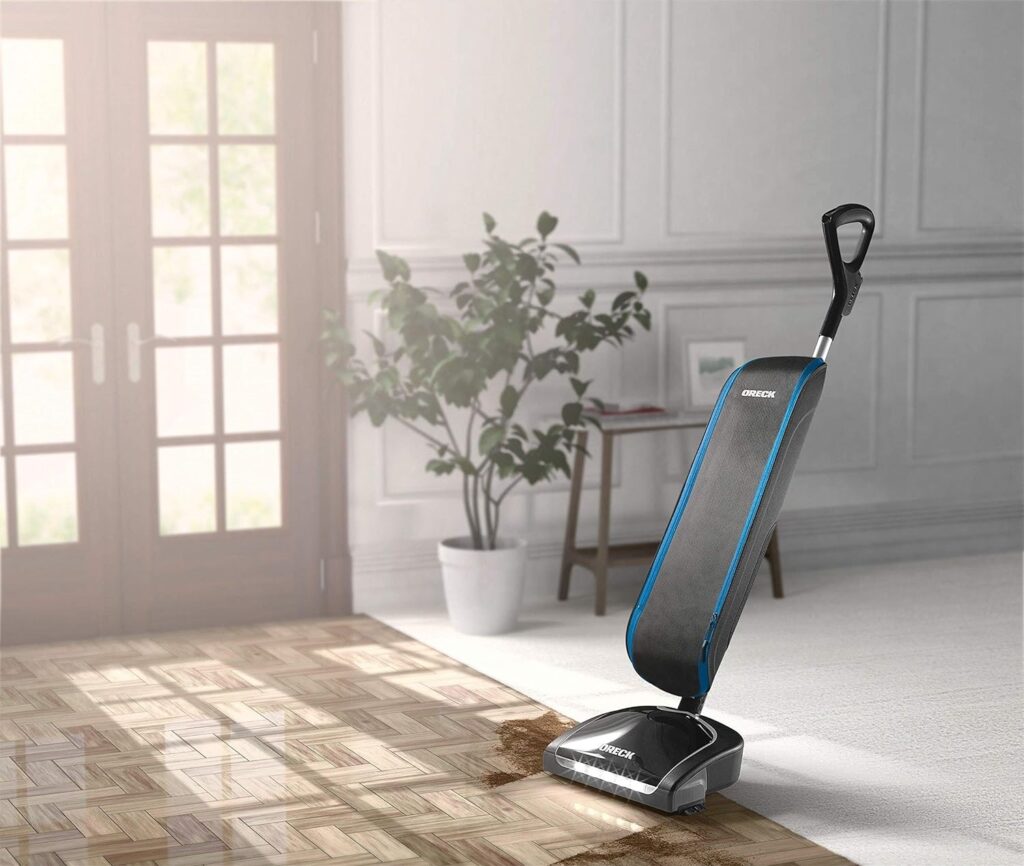
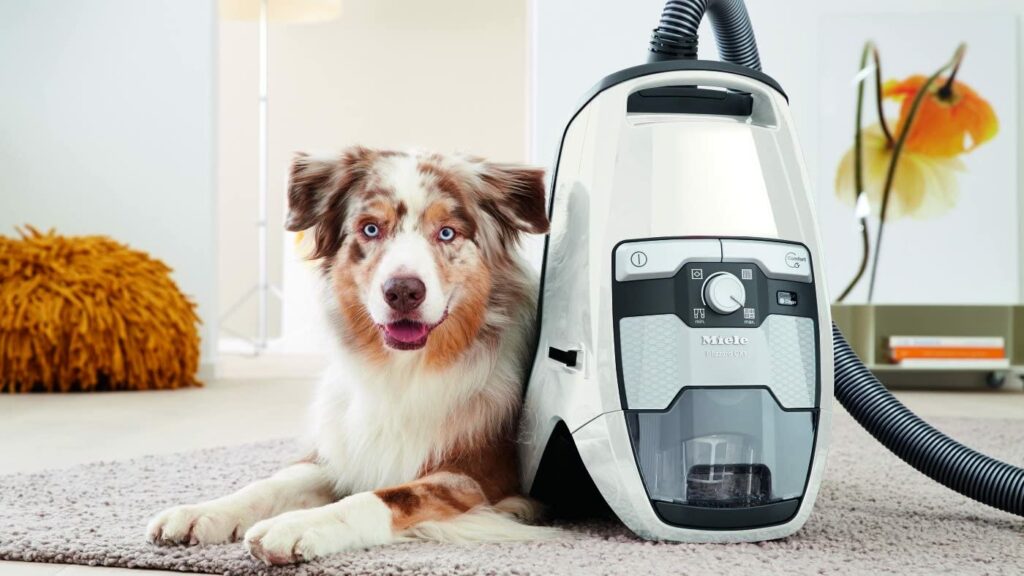
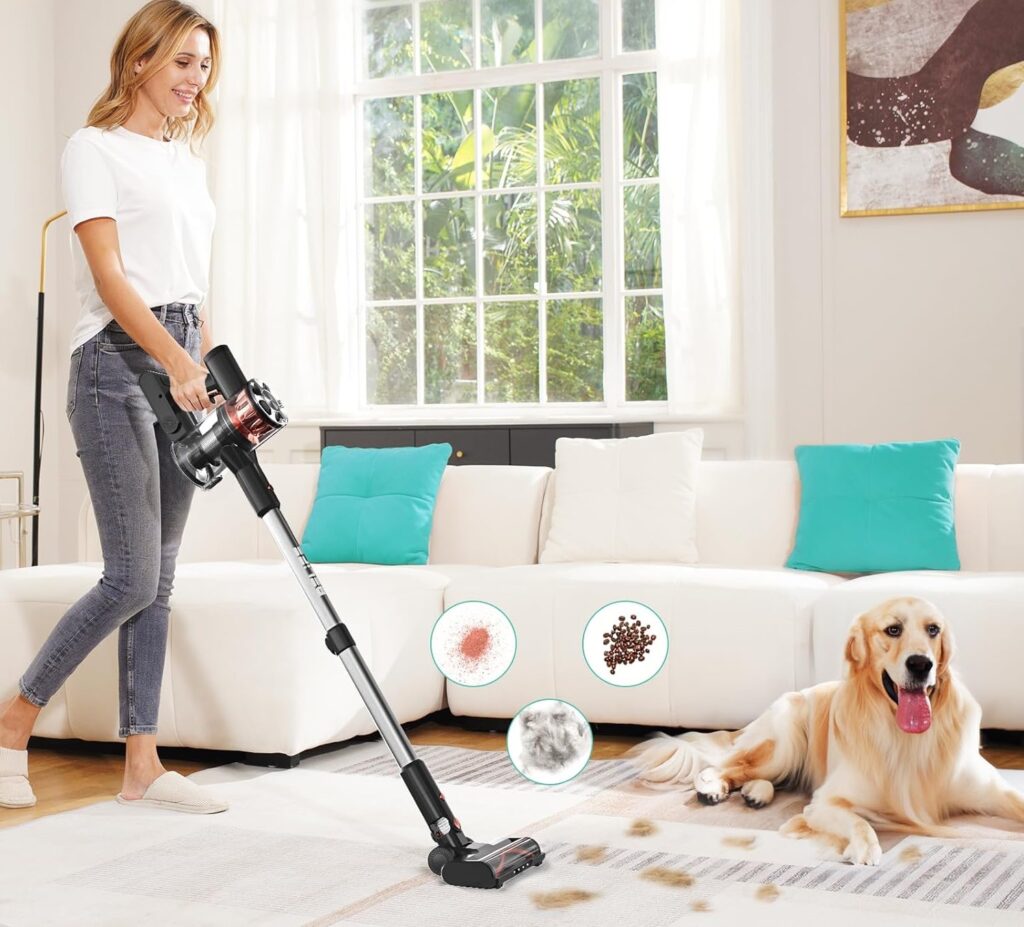
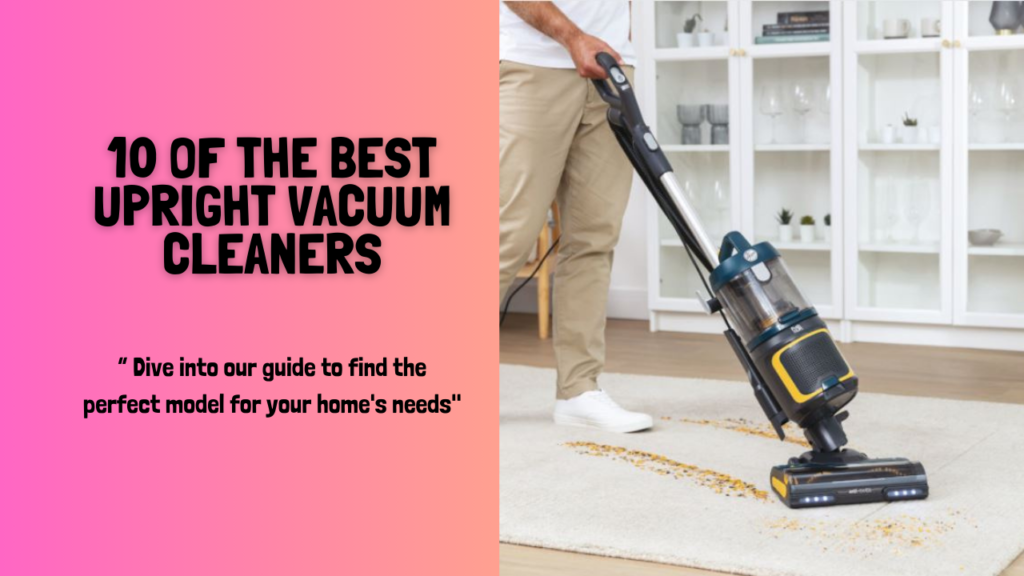
Upright Vacuums: These are the traditional powerhouses. They typically offer the strongest suction and largest dust capacity. They’re great for carpets and large homes. However, they can be heavy and less maneuverable. Storage can also be a challenge.
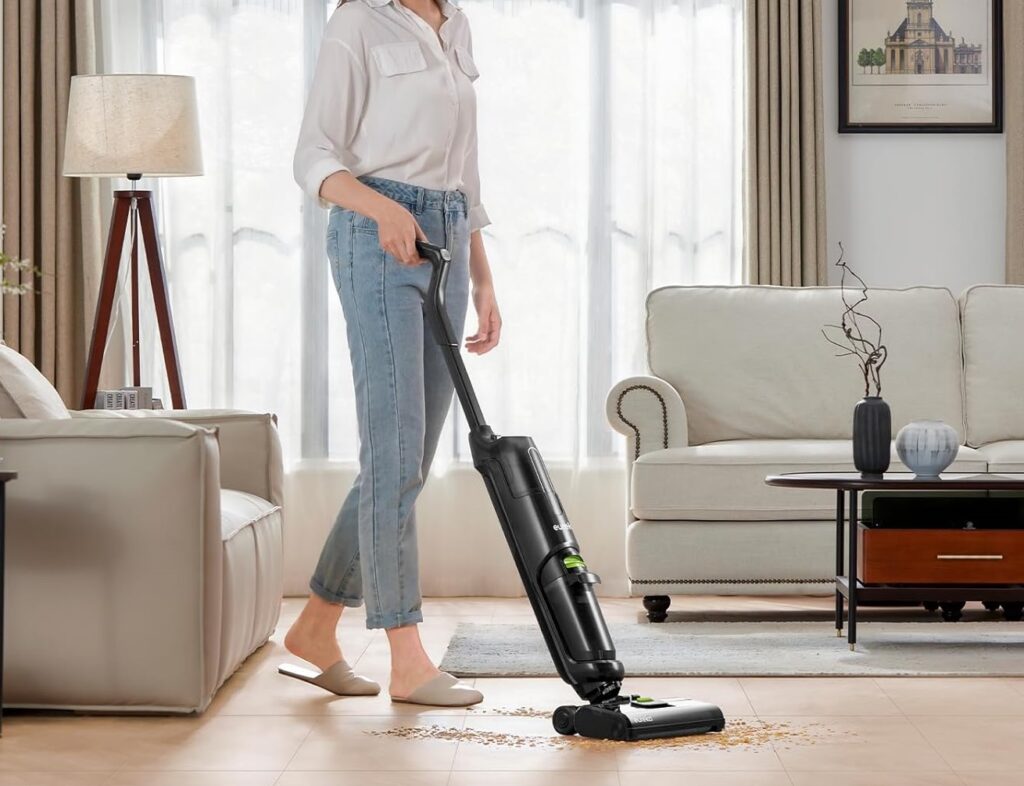
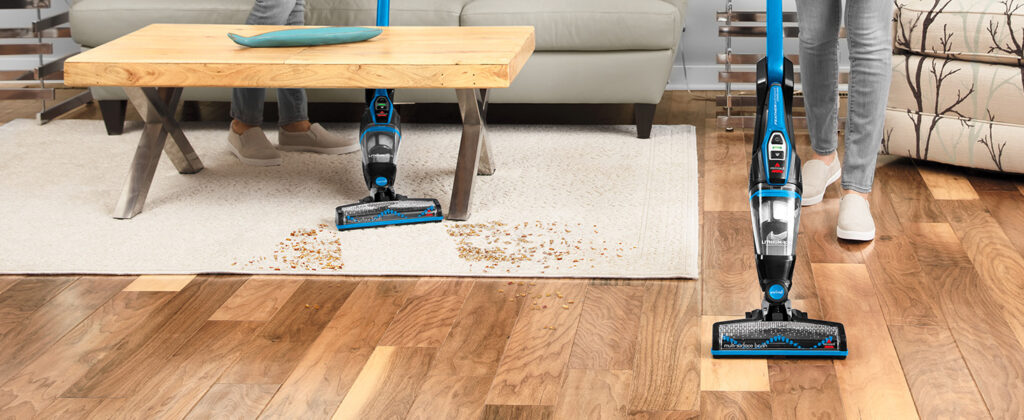
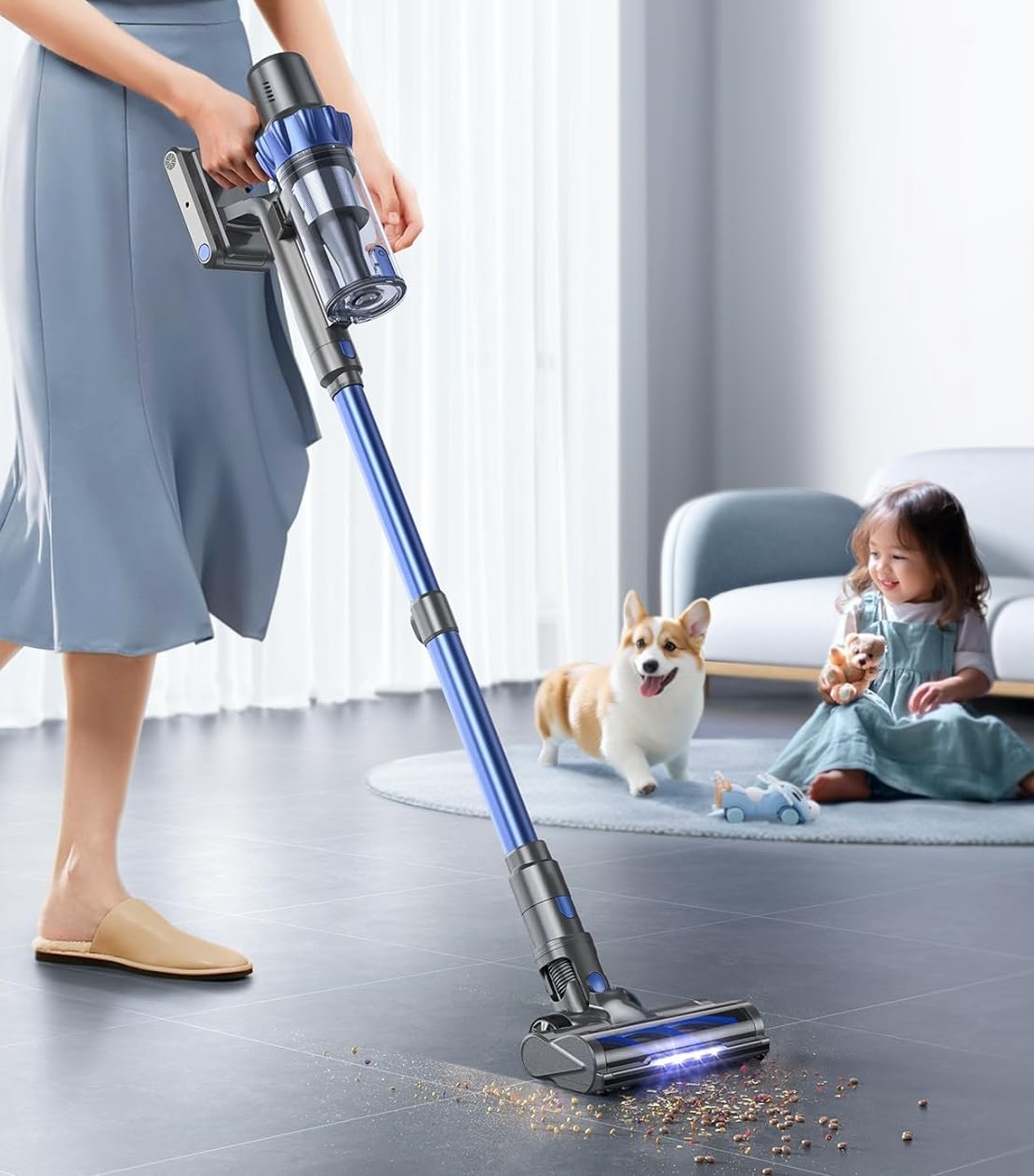
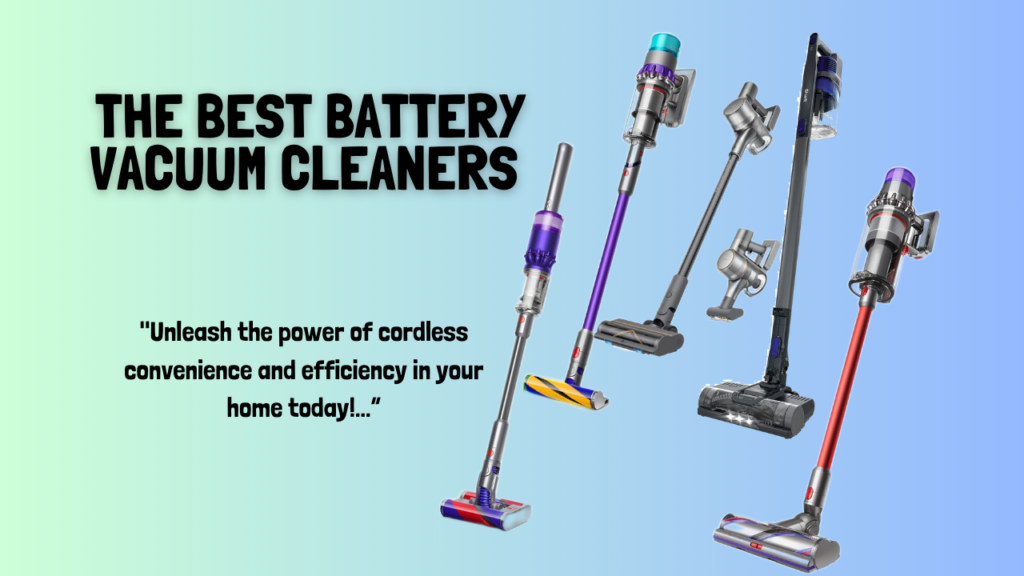
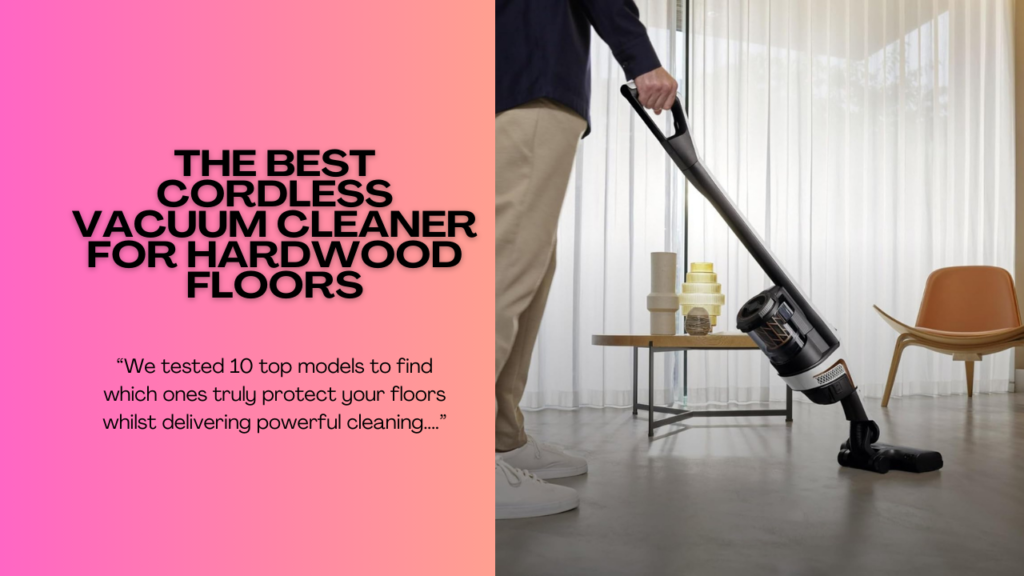
Cordless Stick Vacuums: These have exploded in popularity recently. They’re lightweight, convenient, and easy to store. Perfect for quick clean-ups and multi-floor homes. The downside? Battery life limits cleaning time. They also typically have smaller dust bins.
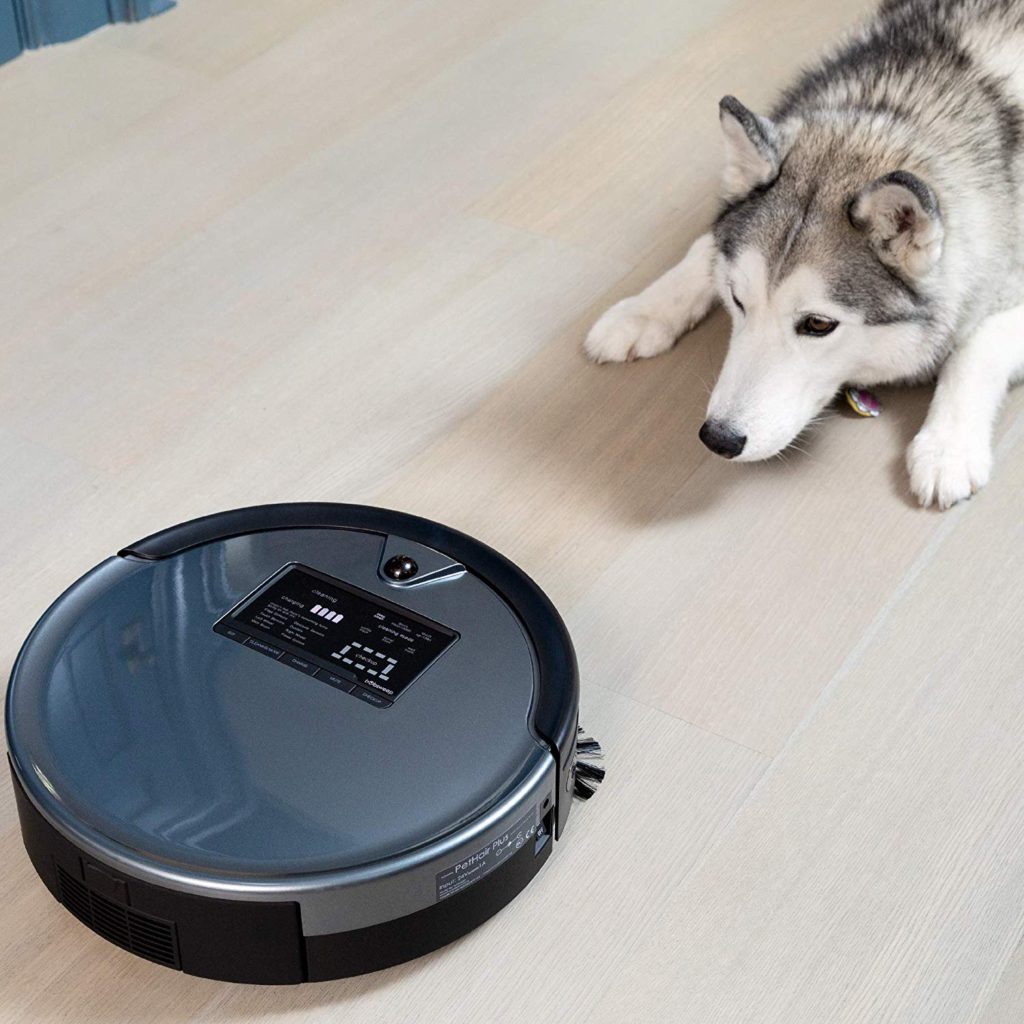
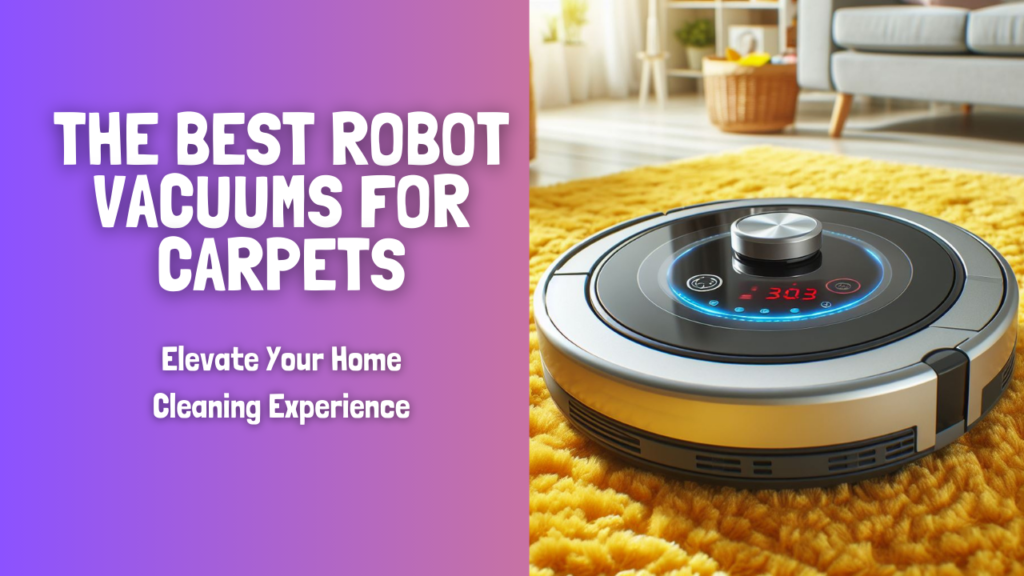
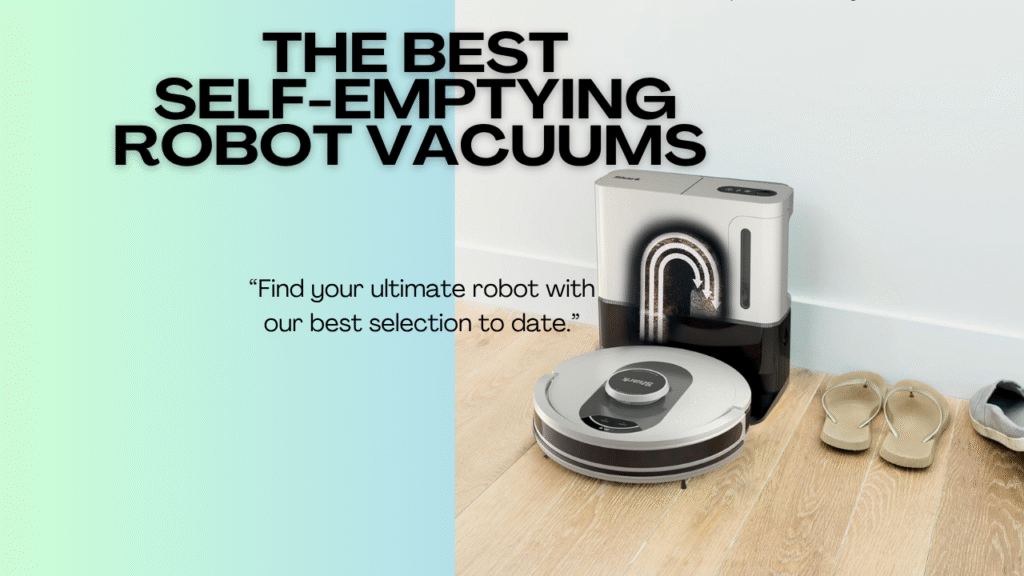
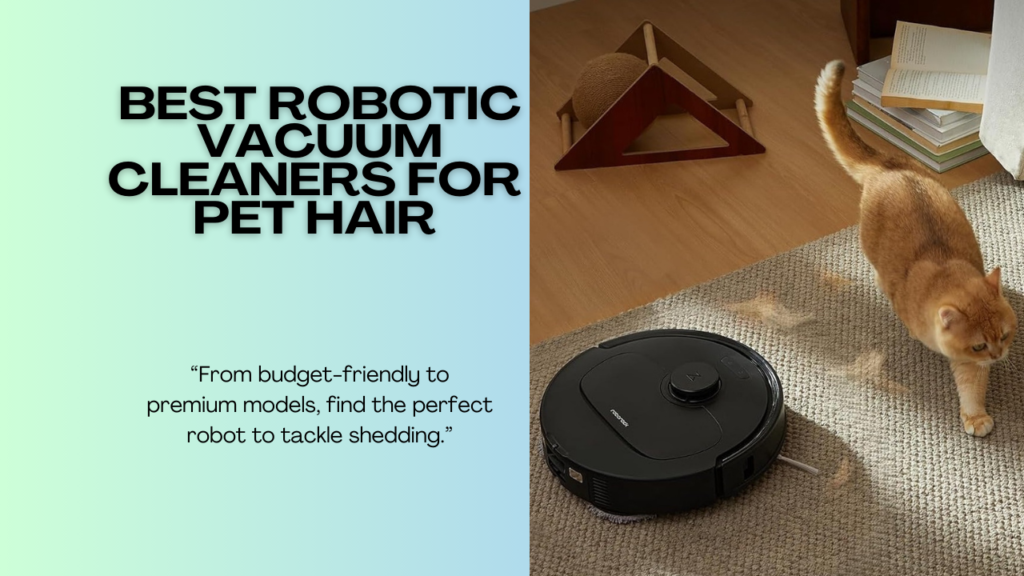
Robot Vacuums: Set it and forget it. These autonomous cleaners work while you’re away. They’re fantastic for maintenance cleaning and under furniture. But they can’t replace a proper deep clean. They also struggle with very thick carpets.
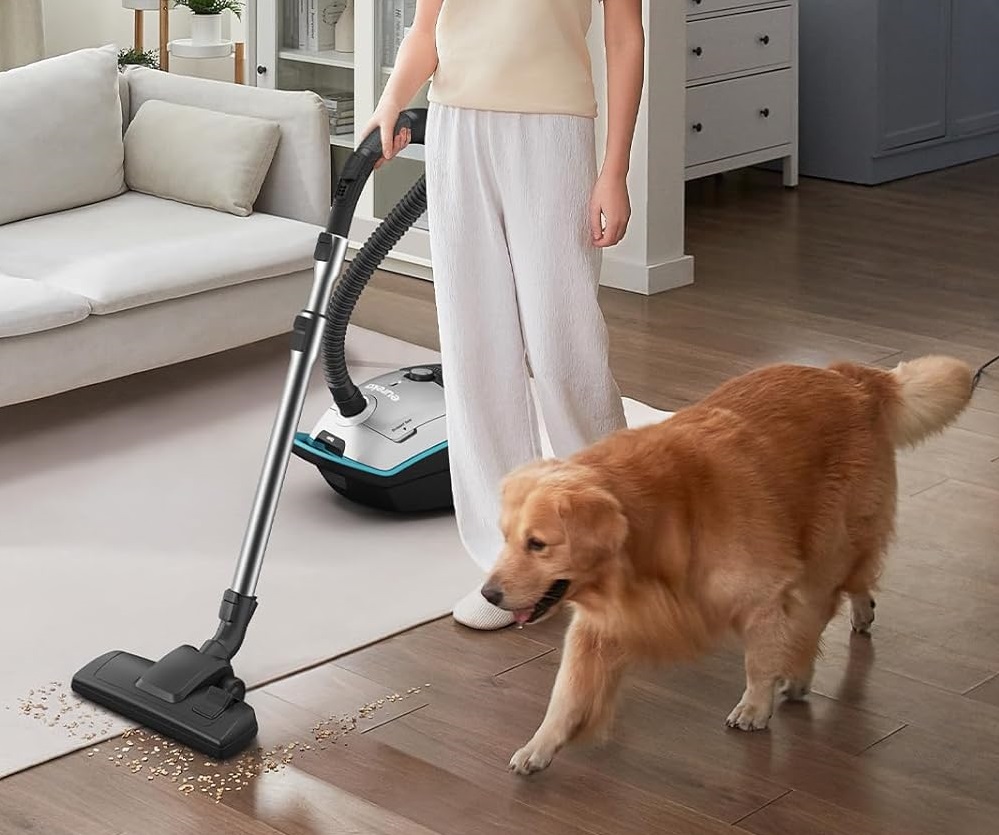
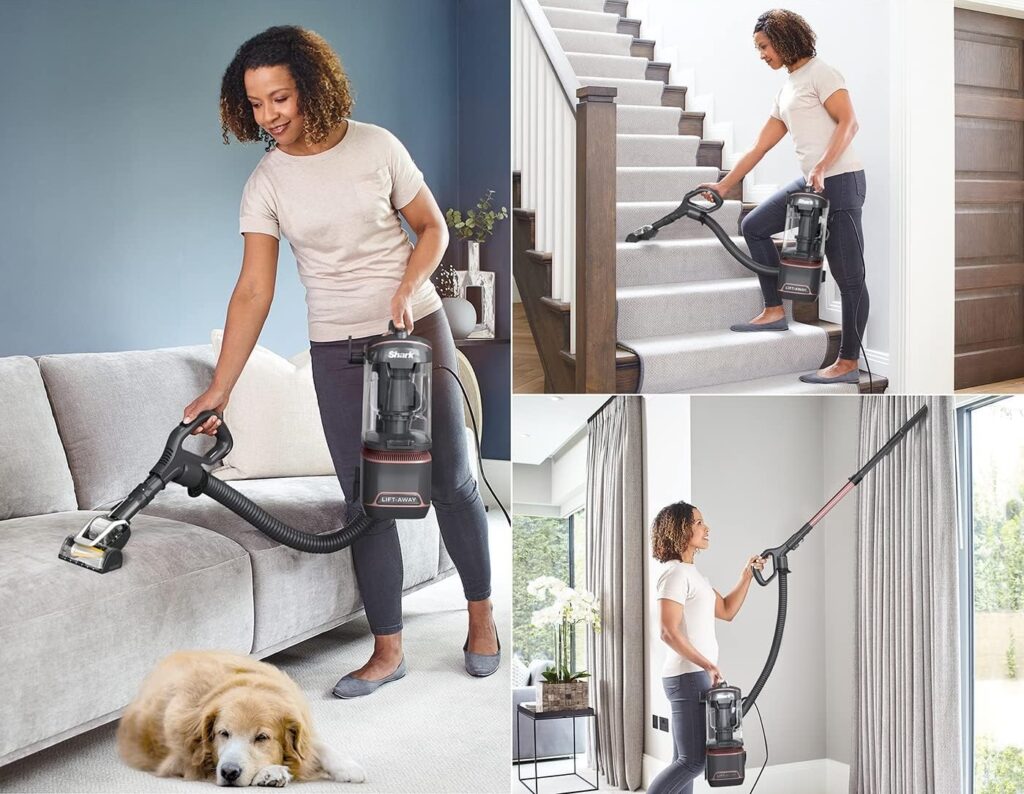
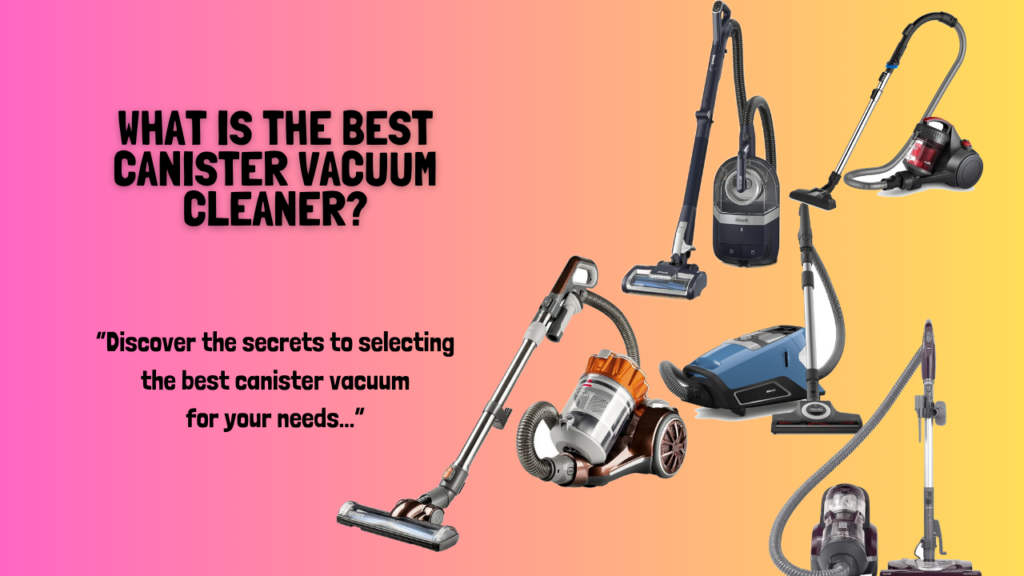
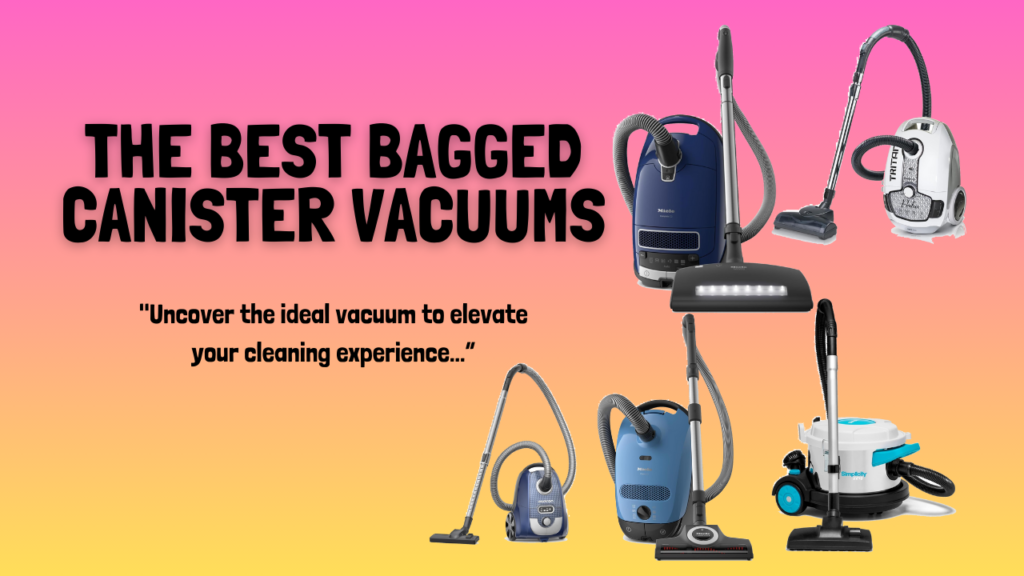
Canister Vacuums: The vacuum body sits on the floor with a long hose. These offer great suction and are excellent for stairs. They’re also gentler on hardwood floors. The trade-off is having to drag the canister around. Some people find this annoying.
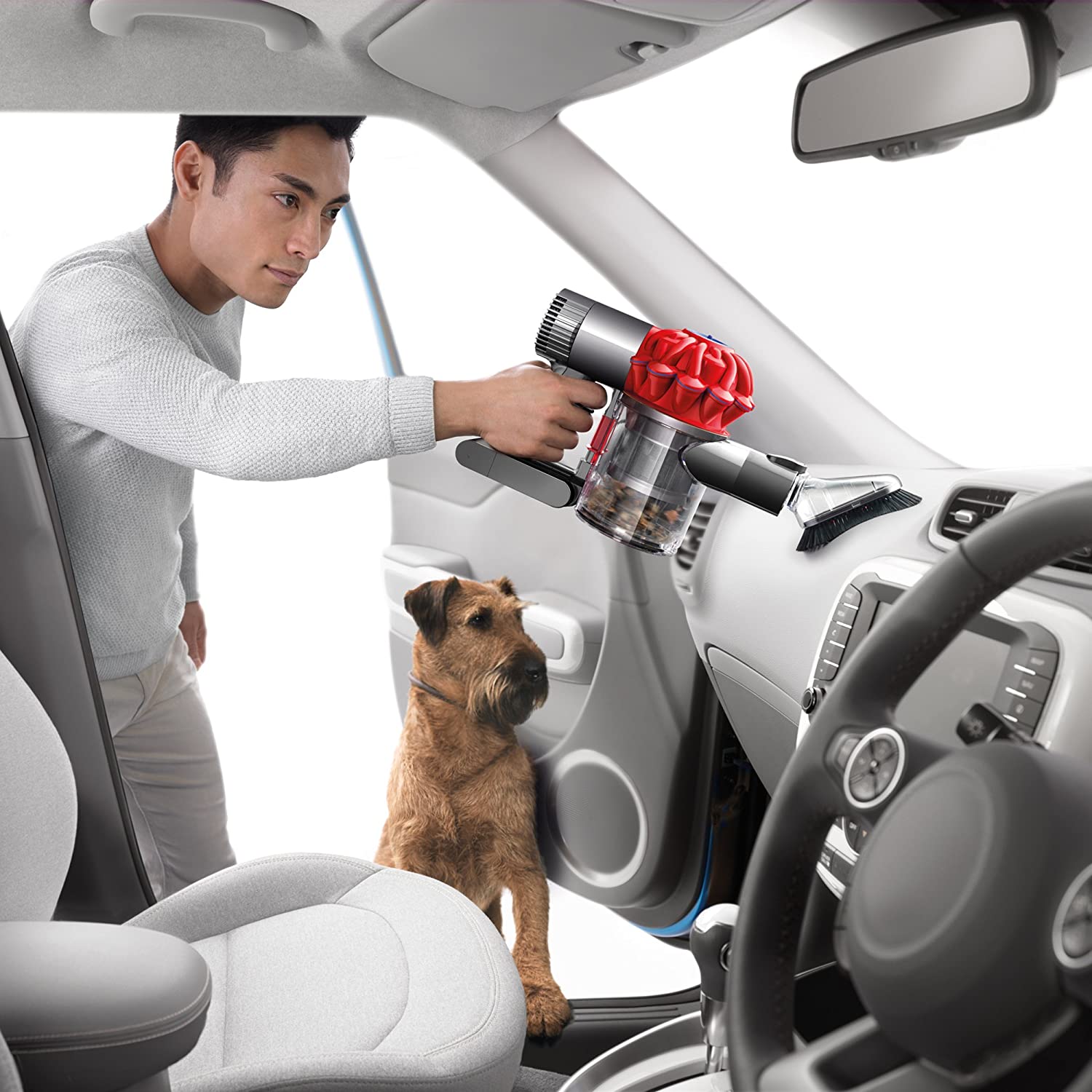
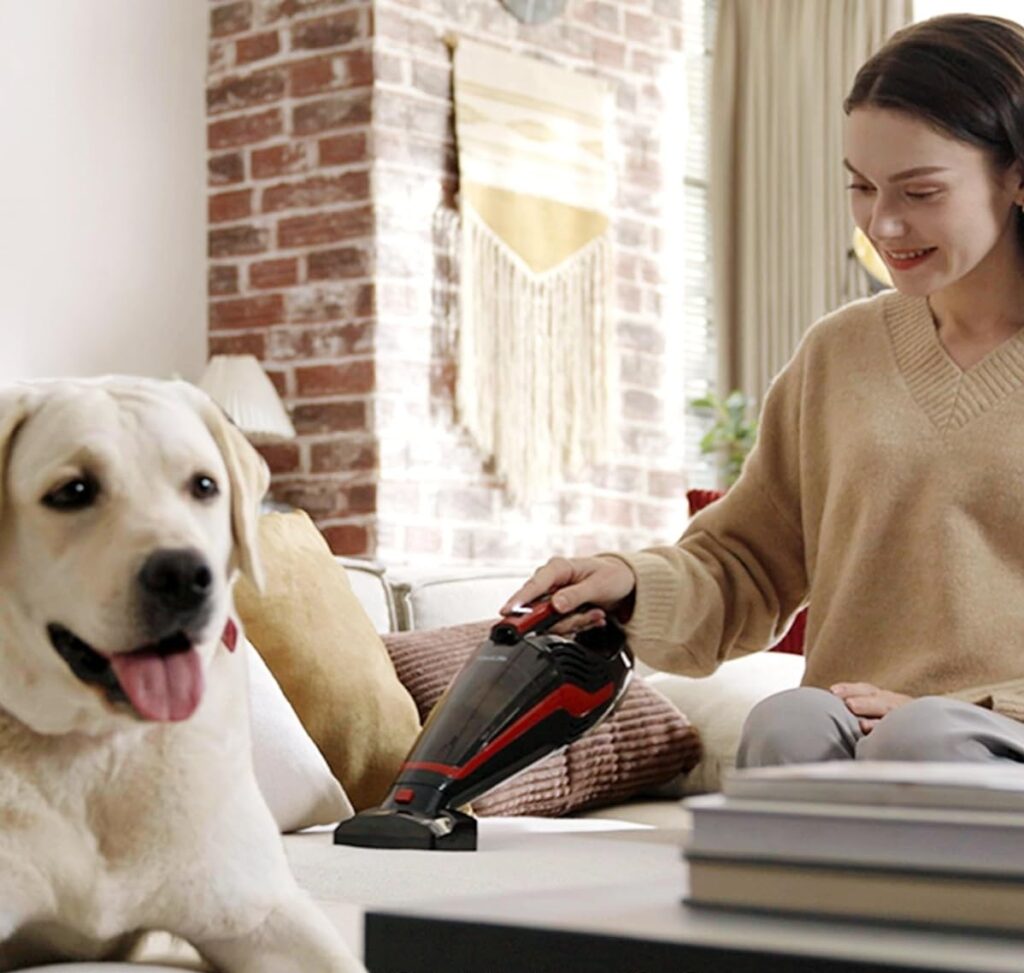
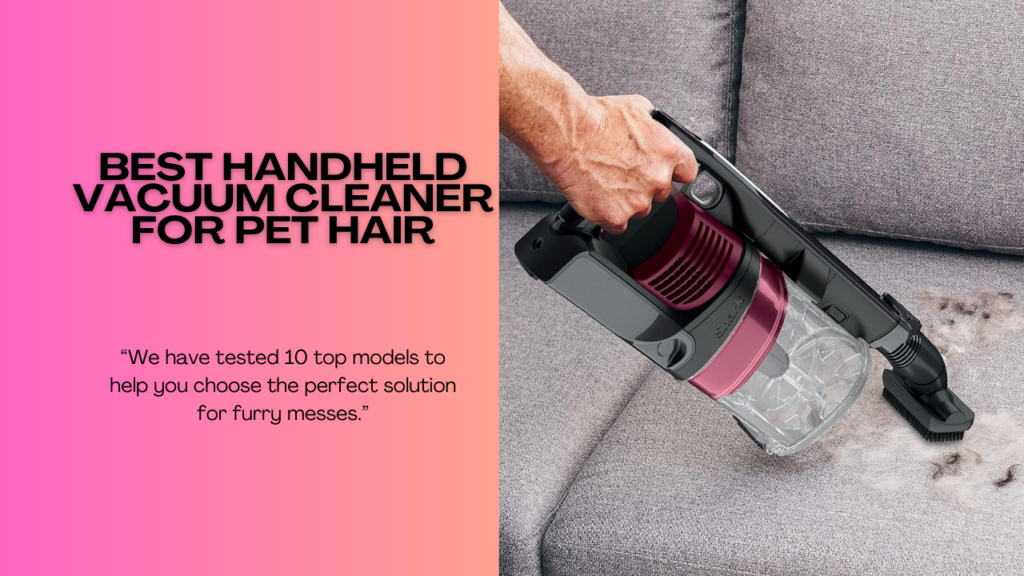
Handheld Vacuums: Small, portable, and perfect for cars or quick messes. They’re great as a secondary vacuum. Don’t expect them to clean your whole house. They’re too small for that job.
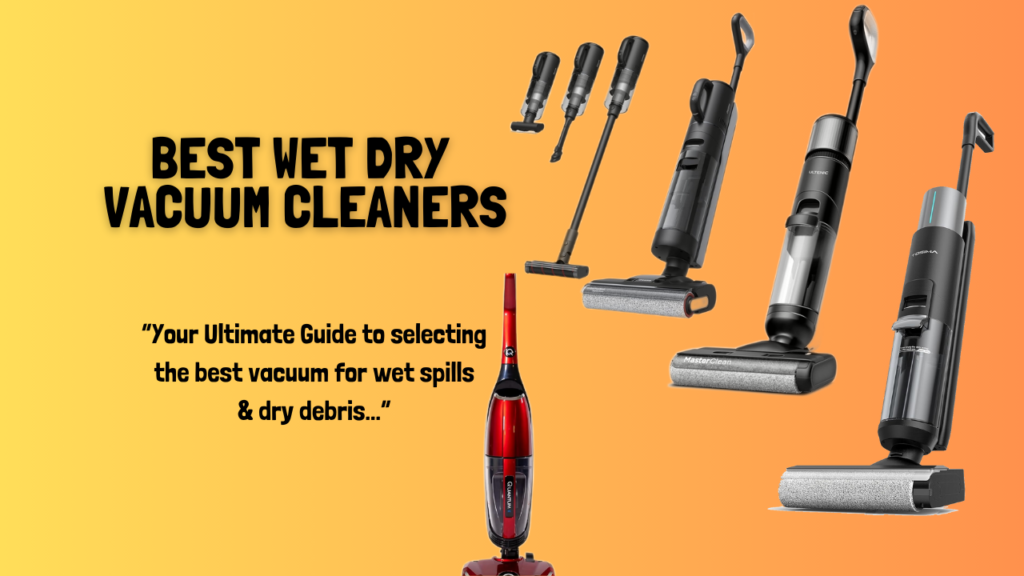
Wet/Dry Vacuums: These handle both dry debris and liquid spills. They’re powerful and versatile. However, they’re usually bulky and loud. Most homes don’t need this type.
Key Features That Actually Matter
Now let’s cut through the marketing fluff. Some features genuinely improve your cleaning experience. Others are just nice-to-haves that jack up the price.
Suction Power: This is king. Without good suction, nothing else matters. Look for strong motor ratings and positive user reviews about performance. Don’t just trust the manufacturer’s claims.
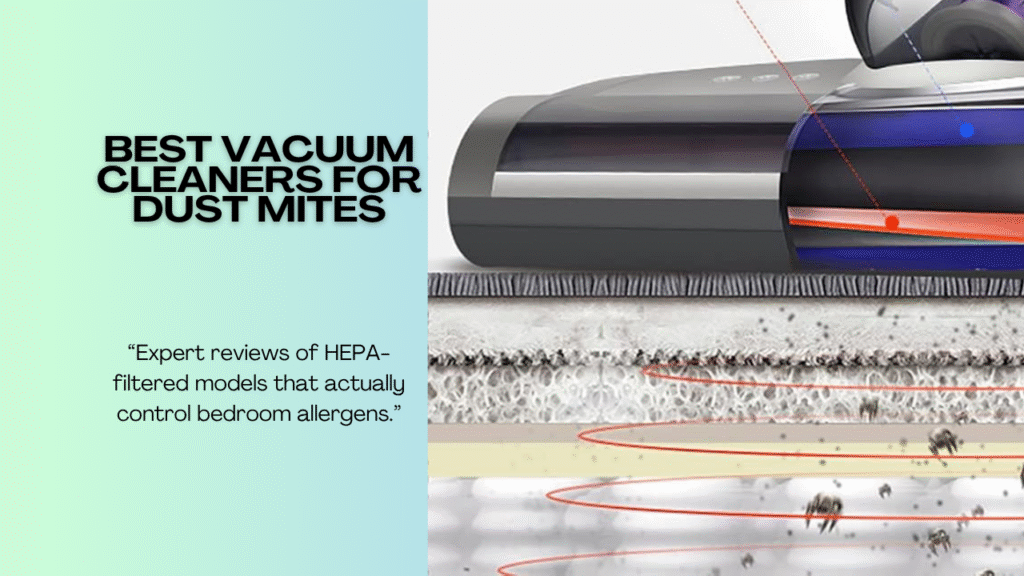
Filtration Systems: HEPA filters trap 99.97% of particles as defined by EPA air filtration standards. They’re worth the investment if you have allergies. Standard filters work fine for most people. Just remember to clean or replace them regularly.
Dust Capacity: Bigger isn’t always better, but tiny bins are frustrating. You’ll empty them constantly. Consider your home size when evaluating this. Aim for at least 0.5 liters for small homes. Larger spaces need 1 liter or more.
Battery Life (for cordless): Marketing claims can be misleading. They test on the lowest power setting. Real-world runtime is usually 20-40 minutes on high power. Make sure that’s enough for your home.
Cord Length (for corded): Nothing’s more annoying than constantly switching outlets. Look for at least 25 feet of cord. Add the hose length for your actual cleaning radius.
Weight: This matters more than you think. You’re lifting and pushing this machine regularly. Anything over 18 pounds gets tiring quickly. Test the weight before buying if possible.
Attachments: Crevice tools, dusting brushes, and upholstery tools extend functionality. They’re genuinely useful. However, having 15 attachments you never use is pointless. Focus on quality over quantity.
Floor Type Considerations
Your flooring determines which vacuum works best. Let’s break this down by surface type.
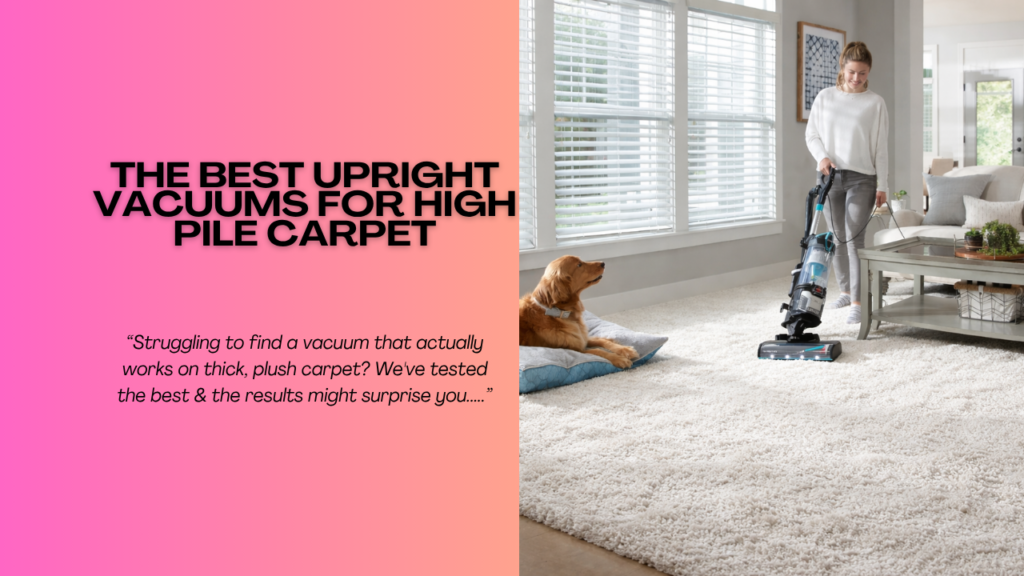
Carpet Cleaning: Carpets need rotating brush rolls and strong suction. The brush agitates the fibers and lifts embedded dirt. Upright vacuums traditionally excel here. Look for adjustable brush height settings. Deep pile carpets need different settings than low pile.
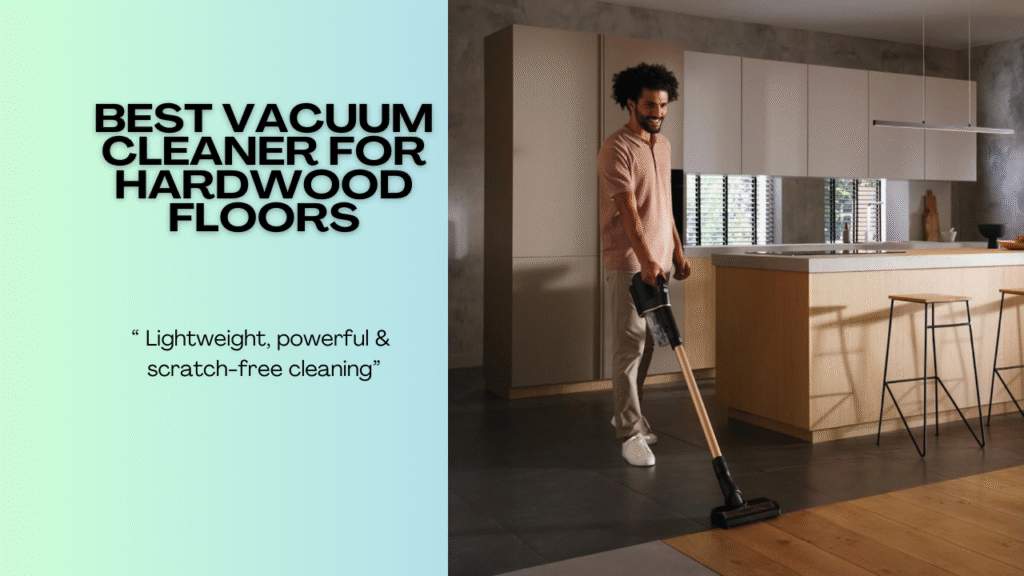
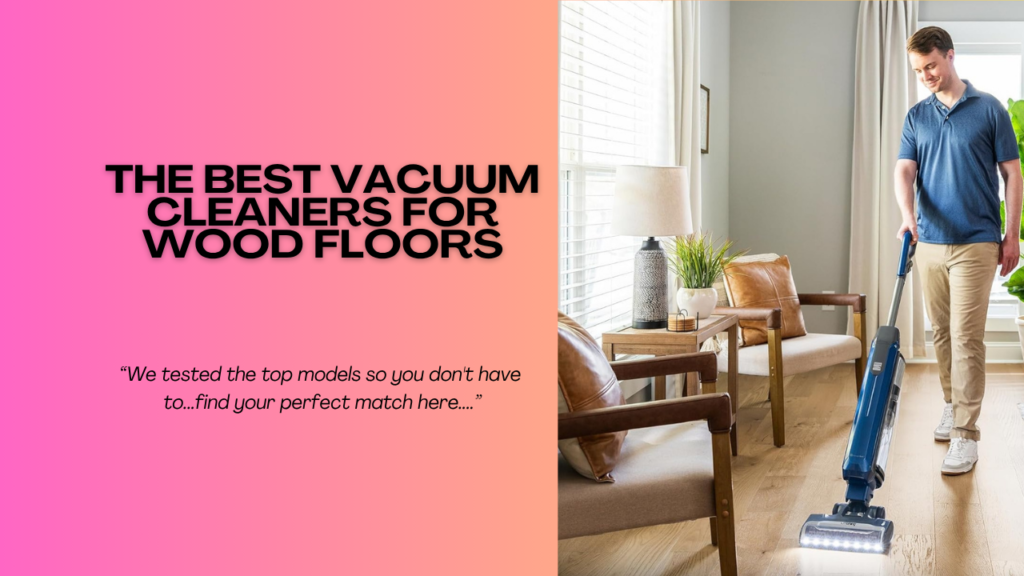
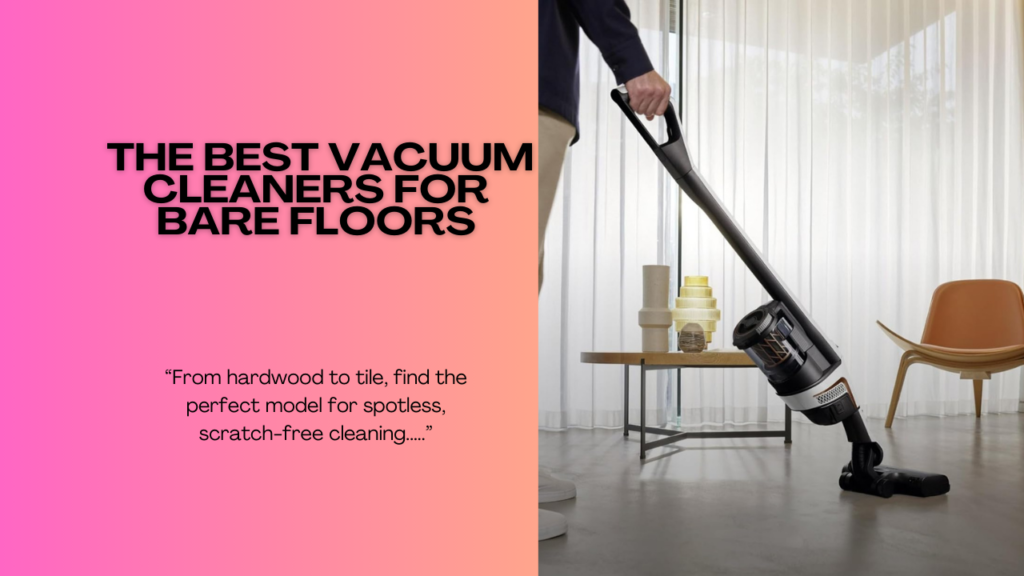
Hardwood and Laminate: These surfaces scratch easily, as noted by the National Wood Flooring Association’s maintenance guidelines. You want vacuums with soft wheels and gentle brush rolls. Many people prefer canister vacuums or cordless sticks for hardwood. Make sure you can turn off the brush roll. Spinning brushes can scatter debris on hard floors.
Mixed Flooring: Most homes have a combination of surfaces. This is tricky. You need a vacuum that transitions smoothly between them. Look for automatic floor detection or easy manual switching. Cordless stick vacuums often handle this well.
Tile and Grout: Tile is fairly easy to clean. However, grout lines trap dirt. You need decent suction to pull dirt from these grooves. A vacuum with a motorized brush roll helps. Some models include specialized grout cleaning tools.
Area Rugs: If you have rugs over hardwood, you need flexibility. The vacuum should clean both without adjustment. Robot vacuums can struggle with thick rug edges. Keep this in mind.
Let’s talk money. Vacuum cleaners range from £50 to £800+. More expensive doesn’t always mean better. But super cheap usually means disappointment.
Entry-Level (Under £150): These work fine for basic needs. Small apartments, mostly hard floors, or light cleaning. Don’t expect them to last forever. They typically lack advanced features. Quality can be hit-or-miss. Read reviews carefully.
Mid-Range (£150-£400): This is the sweet spot for most people. You get reliable performance and decent features. Many excellent vacuums fall in this range. Brands balance cost and quality well here. This is where I’d recommend most people focus.
Premium (£400+): These offer the best performance and features. They typically last longer and include advanced technology. Worth it if you have specific needs. Large homes, severe allergies, or lots of pets justify this investment.
Consider long-term costs too. Bagless models save money over time. However, you might need replacement filters. Cordless vacuums eventually need new batteries. These can cost £50-£100. Factor this into your budget.
Don’t forget about warranties. A good warranty protects your investment. It also indicates manufacturer confidence. Look for at least 2 years of coverage. Some premium brands offer 5+ years.
Brand Reputation and Reliability
Not all vacuum brands are equal. Some consistently deliver quality. Others have frequent issues. Let me share what I’ve learned.
Leading Brands: Dyson, Shark, and Miele often top reliability rankings. They invest heavily in research and development. Their customer service is generally good. However, you pay a premium for these names.
Value Brands: Bissell, Hoover, and Vax offer solid performance at lower prices. They might not have cutting-edge features. But they get the job done. These are great for budget-conscious shoppers.
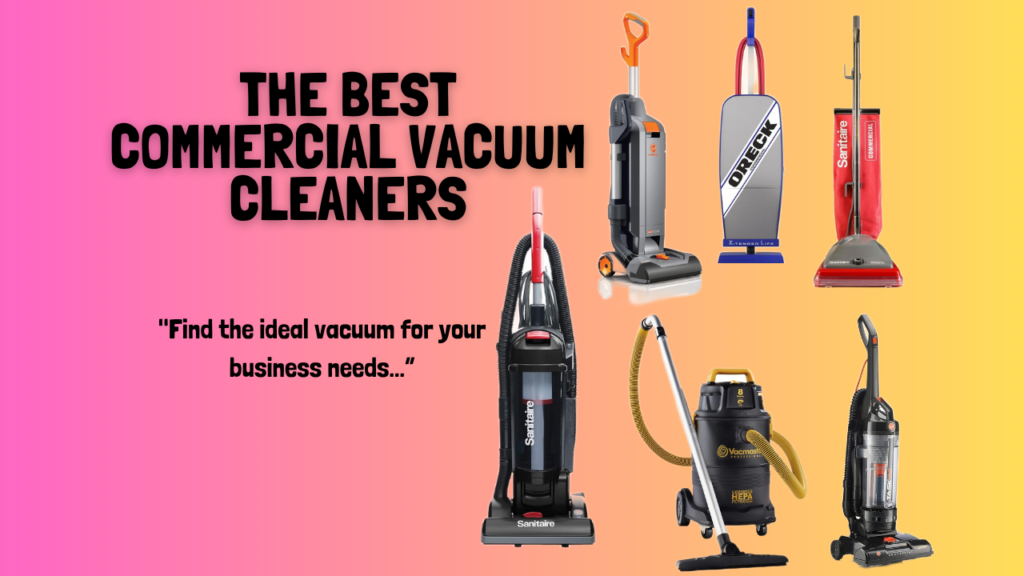
Specialty Brands: Some brands focus on specific types. iRobot dominates robot vacuums. Eufy offers great budget robots. Henry is beloved for commercial-grade reliability.
Research customer reviews before buying. Look for patterns in complaints. One negative review means nothing. Twenty reviews mentioning the same issue? That’s a red flag.
Warranty expectations vary by brand. Premium brands often include 2-5 years. Budget brands might only offer 1 year. Extended warranties are sometimes available. Evaluate if they’re worth the cost.
Customer service matters when things go wrong. Can you reach someone easily? Do they resolve issues quickly? Read reviews about post-purchase support. A great vacuum with terrible service causes frustration.
Where you buy also matters. Amazon, Curry’s, and Argos offer buyer protection. They handle returns easily. Buying directly from manufacturers sometimes includes perks. Extended warranties or free accessories are common.
Special Considerations
Let’s dive into specific situations. These factors might completely change your decision.
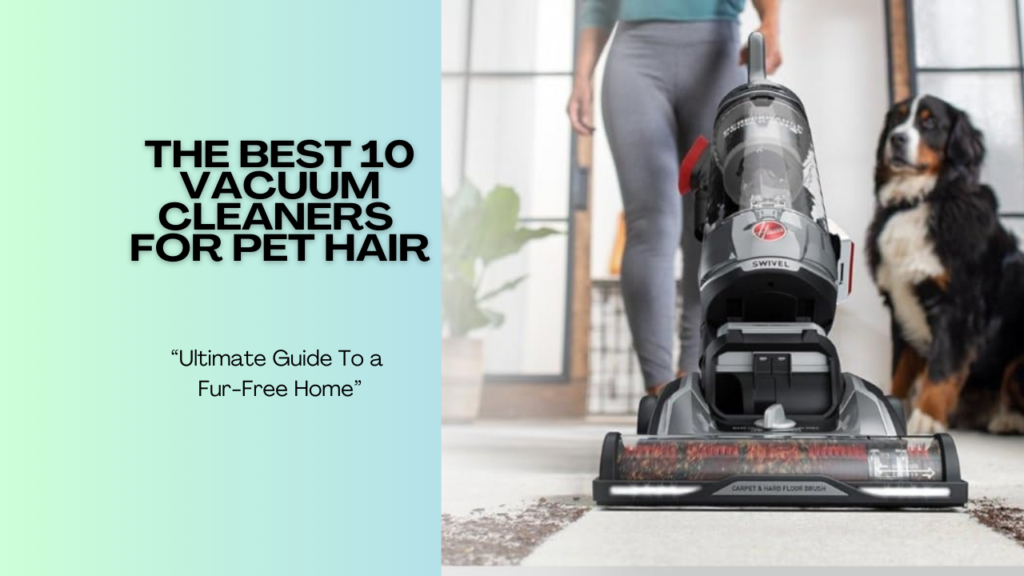
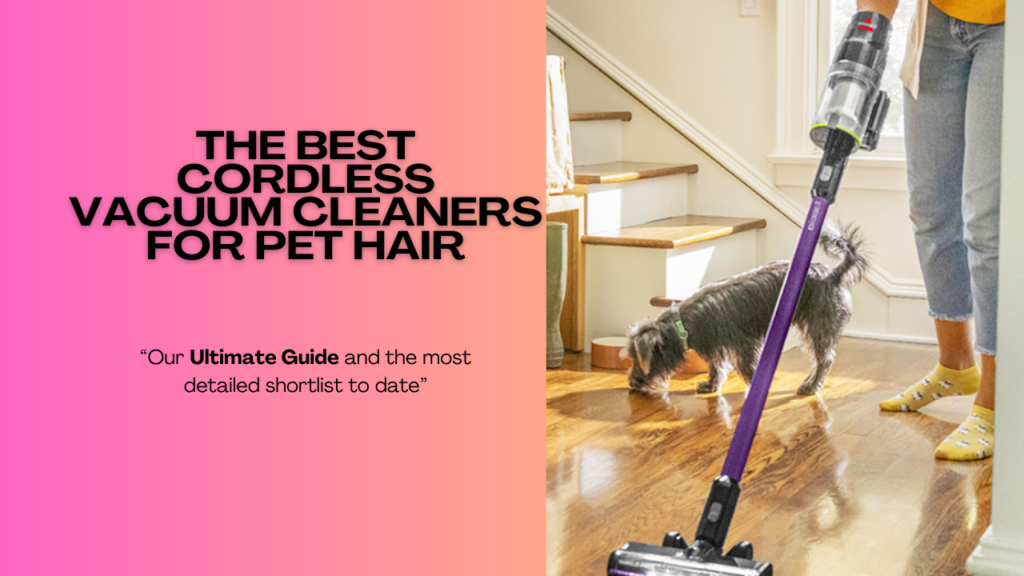
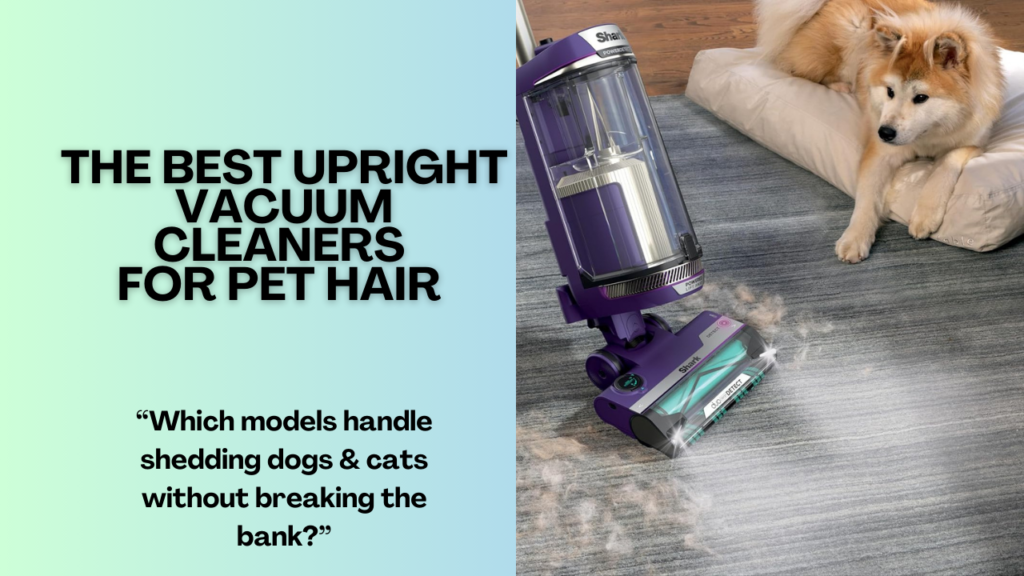
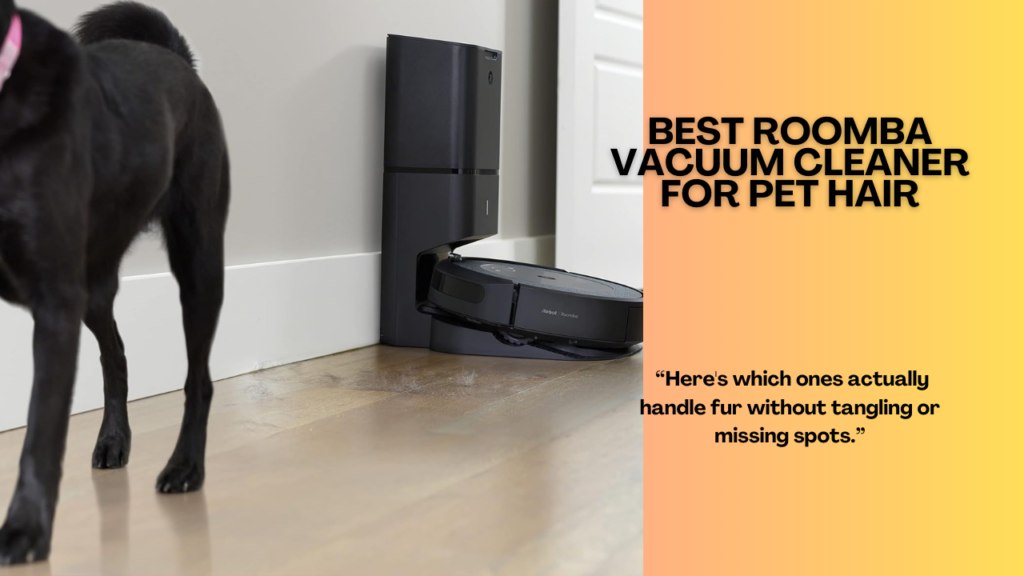
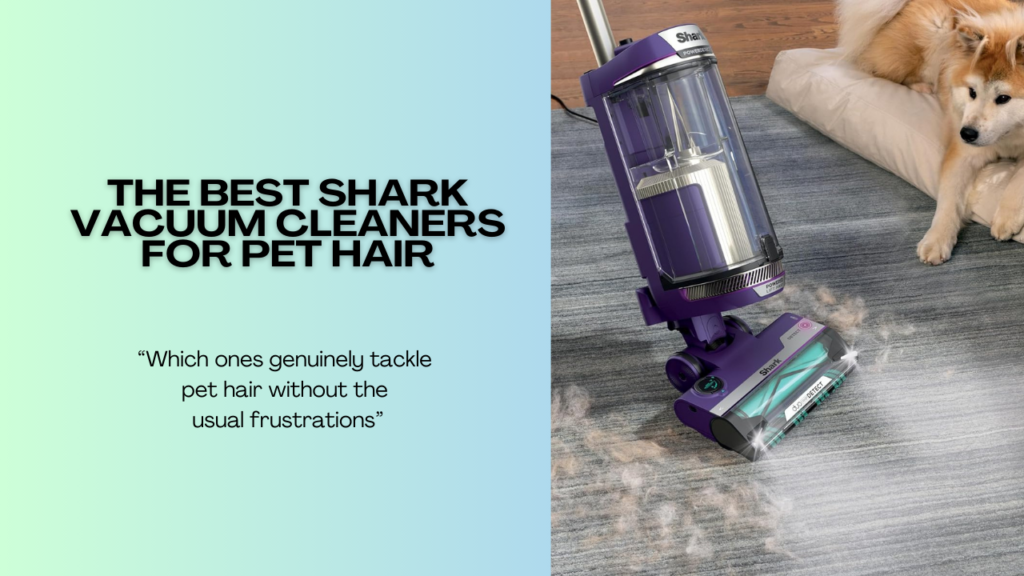
Pet Hair Removal: This deserves special attention. Pet hair is stubborn. It wraps around brush rolls and clogs filters. You need specialized tools. Look for tangle-free brush rolls. These prevent hair from wrapping up. Anti-allergen seals keep dander trapped inside. Motorized pet tools make furniture cleaning easier. Check out our guide to the best vacuum cleaners for pet hair for specific recommendations.
Allergy and Asthma Needs: HEPA filtration is non-negotiable here. Regular filters release particles back into your home. Sealed systems prevent air leakage. This keeps allergens contained. Some vacuums carry asthma & allergy friendly Certification from the Asthma and Allergy Foundation of America. These undergo rigorous testing.
Noise Levels: Some vacuums sound like jet engines. Others are surprisingly quiet. Noise matters if you have babies or work from home. Robot vacuums are generally quieter. They can run while you’re busy. Cordless stick vacuums also tend to be less noisy.
Storage Space: Big upright vacuums need closet space. Cordless stick vacuums mount on walls. They’re out of the way. Consider where you’ll keep your vacuum. Also think about attachment storage. Losing tools in a closet is frustrating.
Maintenance Requirements: All vacuums need care. Filters require cleaning or replacement. Brush rolls need detangling. Bagless bins need emptying and washing. Some models are easier to maintain. Look for tool-free maintenance designs. Quick-release bins save time.
Common Mistakes to Avoid
I see people make these errors repeatedly. Learn from their mistakes.
Buying on Price Alone: The cheapest option seems tempting. But it often breaks quickly or performs poorly. You end up buying twice. That costs more in the long run. Balance price with quality and features.
Ignoring Specific Needs: Marketing makes every vacuum sound perfect. But your home has unique requirements. A pet owner needs different features than someone without pets. Don’t be swayed by flashy features you won’t use.
Overlooking Warranty and Support: A vacuum without warranty is risky. Things break. Having protection gives peace of mind. Also research if parts are available. Some brands discontinue models quickly. Then you can’t get replacement filters or batteries.
Not Considering Long-Term Costs: Factor in ongoing expenses. Bags, filters, and batteries add up. Sometimes a pricier bagless model saves money. Calculate total cost of ownership over 3-5 years.
Buying Too Much Vacuum: A top-tier model might be overkill. Small apartment dwellers don’t need industrial suction. Match the vacuum to your actual needs. Save money for other things.
Skipping Reviews: Manufacturer descriptions sound great. Real user experiences tell the truth. Spend time reading reviews on multiple sites. Look for detailed feedback from verified buyers.
Forgetting About Weight: Specifications list weight in small print. People overlook this. Then they’re exhausted after vacuuming. If you have mobility issues, weight is crucial. Test it in store if possible.
Making Your Final Decision
You’ve absorbed a lot of information. Now let’s turn that into action. Here’s how to choose your perfect vacuum.
Create Your Personal Checklist: Write down your must-haves. Include floor types, home size, and budget. Note any special needs like pets or allergies. Rank these by importance. This focuses your search.
Prioritize Must-Haves vs Nice-to-Haves: LED headlights seem cool. But do you really need them? Separate essential features from extras. Essentials might be: HEPA filter, 40-minute runtime, under 7 pounds. Nice-to-haves might be: display screen, smart app, multiple colors.
Set Your Budget Range: Decide your comfortable spending limit. Allow some flexibility. Sometimes spending £50 more gets significantly better features. But stick reasonably close to your budget.
Research Specific Models: Now that you know what you need, find models that match. Read professional reviews. Watch video reviews on YouTube. Check multiple sources for balanced perspectives.
Read Verified Customer Reviews: Amazon and retailer sites have thousands of reviews. Sort by “Most Recent” to see current quality. Look for reviews from people with similar homes. Their experiences matter most.
Consider Trying Before Buying: Some retailers offer return policies. Buy from somewhere with easy returns. Test it thoroughly in your home. If it doesn’t work out, return it. Don’t settle for disappointment.
Check for Sales and Deals: Vacuum prices fluctuate significantly. Black Friday, Boxing Day, and January sales offer huge discounts. Sign up for price alerts. Wait for a sale if you can.
I’ve reviewed countless vacuum cleaners. Here are some solid starting points based on common needs.
For comprehensive comparisons of top models, check out our detailed best vacuum cleaners guide. It breaks down the top performers in each category.
If you’re dealing with pet hair specifically, our dedicated pet hair vacuum guide covers specialized models with anti-tangle brushes and powerful suction.
For Large Homes with Carpet: Look at powerful upright vacuums. Models with large dust capacities and long cords work best. Strong suction is essential.
For Apartments and Small Spaces: Cordless stick vacuums shine here. They’re easy to store and maneuver. Quick clean-ups become effortless.
For Pet Owners: Specialized pet hair models make life easier. Tangle-free brushes and HEPA filters are crucial. Don’t skimp on suction power.
For Multi-Floor Homes: Cordless stick vacuums handle stairs beautifully. They transition smoothly between surfaces. Look for auto-adjust features.
For Budget Shoppers: Mid-range models offer excellent value. They balance performance and price well. Avoid the absolute cheapest options.
For Allergy Sufferers: Sealed HEPA systems are non-negotiable. Make sure the entire air path is sealed. This prevents allergen escape.
Conclusion On How to Choose the Right Vacuum Cleaner for Your Home
Choosing the right vacuum cleaner for your home comes down to understanding your needs. Start by evaluating your floors, home size, and special requirements. Then match those needs to the right vacuum type.
Don’t get overwhelmed by fancy features. Focus on what genuinely matters – suction power, filtration, and reliability. Read reviews from real users. Set a realistic budget that balances quality and affordability.
Remember, the most expensive vacuum isn’t always the best. The right vacuum is the one that fits your specific situation. It should make cleaning easier, not frustrate you.
Take your time with this decision. A good vacuum lasts 5-10 years. That’s a long time to live with a mistake. Use the checklist approach I outlined. Research thoroughly before buying.
And here’s my final advice: trust your gut. If a vacuum feels right when you test it, that matters. Specifications tell part of the story. Your actual experience tells the rest.
Picture this: You’ve just finished tidying your home, but your beloved pet’s hair continues to cling stubbornly to every piece of furniture. It’s a scenario familiar to pet owners worldwide, often leading to frustration and the relentless quest for a solution. But what if there was a way to transform this daunting task into a simple, even enjoyable, part of your routine? Our comprehensive guide dives into the nitty gritty of how to remove pet hair from furniture, offering tried-and-true strategies, tools, and techniques.
Delve into the world of pet hair removal with us, where we will explore the most effective tools and methods to free your furniture from the furry grip of pet hair. From understanding the importance of choosing the right product to mastering the technique of efficient hair removal, this guide is your one-stop resource for all things pet hair.
We’ll cover everything from budget-friendly options to the latest technological trends, ensuring that you’re well-equipped to maintain a clean, welcoming, and pet-friendly home. Say goodbye to the days of constant brushing and vacuuming, and welcome a cleaner, more serene living space.
What to Look for When Choosing a Product for Removing Pet Hair from Furniture
Selecting the right product to remove pet hair from furniture is crucial for ensuring effective cleaning without damaging your furnishings. Here are key factors to consider:
Effectiveness
High-Efficiency: Choose products known for their ability to pick up pet hair effectively.
Specificity: Look for tools specifically designed for pet hair removal.
Suitability for Furniture Material
Material Compatibility: Ensure the product is safe and won’t damage the material of your furniture, whether it’s fabric, leather, or wood.
Ease of Use
User-Friendly Design: Opt for tools that are comfortable to handle and straightforward in operation.
Lightweight and Maneuverable: Products that are easy to move around increase convenience, especially for large or multiple pieces of furniture.
Adaptability
Adjustable Settings: If choosing a vacuum, look for one with adjustable suction and attachments suitable for different types of furniture surfaces.
Ergonomics
Comfortable Handling: Tools should be ergonomically designed to prevent strain during use, especially important for frequent cleaning.
By considering these aspects when choosing a pet hair removal product, you can ensure not only the cleanliness of your furniture but also the longevity and preservation of its material, all while enjoying a hassle-free cleaning experience.
Benefits of the Product for Removing Pet Hair from Furniture
Choosing the right product for pet hair removal from furniture offers several benefits that extend beyond mere cleanliness. Understanding these advantages can help you appreciate the value of investing in such a product:
Improved Home Hygiene
Reduced Allergens: Regular removal of pet hair helps in minimizing allergens in your home, benefiting those with allergies or respiratory issues.
Enhanced Aesthetics of Furniture
Maintained Appearance: Keeping furniture free of pet hair preserves its look and feel, ensuring your home always appears well-kept and inviting.
Prolonged Furniture Life
Decreased Wear and Tear: Regular cleaning prevents pet hair from embedding into the fabric, which can degrade the material over time.
Better Indoor Air Quality
Cleaner Air: Removing pet hair contributes to overall air cleanliness, reducing floating hair and dander that can affect indoor air quality.
Convenience
Ease of Cleaning: Effective pet hair removal tools simplify the cleaning process, saving time and effort.
Versatility
Multi-Surface Use: Many pet hair removal products work effectively on various surfaces, making them versatile additions to your cleaning arsenal.
Pet-Friendly Environment
Harmonious Living: By effectively managing pet hair, you create a more comfortable and hygienic space for both you and your pets.
By leveraging these benefits, the right pet hair removal product can significantly enhance not only the cleanliness of your furniture but also contribute to a healthier, more aesthetically pleasing, and harmonious home environment.
Versatility of Product for Removing Pet Hair from Furniture
When selecting a product for removing pet hair from furniture, its versatility can be a significant advantage. A versatile product not only handles pet hair on different furniture types but can also be useful for various other tasks. Here’s what to consider regarding the versatility of pet hair removal products:
Multi-Surface Compatibility
Furniture Variety: Choose products that are effective on different types of furniture materials, such as upholstery, leather, and wood.
Adaptability: The product should adapt to various furniture designs and textures, from flat surfaces to intricate fabric weaves.
Additional Cleaning Tasks
Clothing and Drapes: Many pet hair removal tools are also suitable for removing hair from clothing, curtains, and other fabric items in the home.
Car Interiors: Products that can be used to clean car seats and interiors add extra value, especially for pet owners who travel with their pets.
Utility Beyond Pet Hair
General Cleaning: Some tools, particularly vacuum attachments, are useful for general dust and debris cleaning around the home.
Ease of Transition Between Tasks
Quick Change of Attachments: If the product comes with attachments, they should be easy to switch out for seamless transition between different cleaning tasks.
By choosing a versatile pet hair removal product, you not only ensure thorough cleaning of various types of furniture but also gain a multi-functional tool that can assist with a range of cleaning needs throughout your home.
Environmental Considerations for Pet Hair Removal Products
In today’s eco-conscious world, considering the environmental impact of pet hair removal products is crucial. Selecting environmentally friendly options not only contributes to the health of the planet but also often results in healthier choices for your home. Here’s what to consider:
Reusability
Washable and Reusable Tools: Opt for products that can be cleaned and reused, reducing waste compared to disposable options.
Sustainability
Eco-Friendly Materials: Seek out products made from sustainable or recycled materials.
Biodegradable Components: Consider if parts of the product, like filters or attachments, are biodegradable.
Chemical-Free Cleaning
Natural Cleaning Methods: Prioritize tools that don’t require chemicals, reducing the release of harmful substances into the environment.
Energy Efficiency
Low Power Consumption: If choosing an electric tool, look for one that is energy-efficient to minimize your carbon footprint.
Packaging
Minimal Packaging: Choose products with minimal or recyclable packaging to reduce plastic and paper waste.
By factoring in these environmental considerations, you can select a pet hair removal product that is not only effective in keeping your furniture clean but also aligns with eco-friendly practices, ensuring a healthier home and planet.
Noise Levels in Pet Hair Removal Products
When selecting a product for removing pet hair from furniture, considering the noise level is important, especially if you prefer a quiet home environment or have noise-sensitive pets. Here’s what to keep in mind regarding the noise levels of these products:
Electric Tools
Vacuums and Electric Brushes: If opting for electric pet hair removal tools, check their decibel (dB) ratings. Lower dB indicates quieter operation.
Motor Design: Some models are specifically designed to operate more quietly while maintaining effective suction.
Manual Tools
Non-Electric Options: Manual tools like lint rollers, rubber brushes, or fabric sweepers are inherently quiet and can be effective for pet hair removal without any noise concerns.
Product Reviews and Ratings
User Feedback: Look for user reviews that specifically mention noise levels, as they can provide real-world insights into the product’s sound output during use.
Pet Comfort
Pet Reaction Consideration: If your pets are easily startled by noise, prioritize quieter tools to avoid causing them stress during cleaning sessions.
By considering the noise level of pet hair removal products, you can ensure a more pleasant and stress-free cleaning experience for both you and your pets, maintaining a serene and comfortable home environment.
Brand Reputation and Reviews in Pet Hair Removal Products
When it comes to pet hair removal products, the reputation of the brand and the reviews from other users play a crucial role in determining the reliability and effectiveness of the product. Here’s how to navigate brand reputation and reviews:
Established Brand Reputation
Trustworthy Brands: Look for companies with a proven track record in pet products or cleaning tools. A reputable brand often equates to quality and reliability.
Specialization: Brands specializing in pet supplies or cleaning tools may offer products better tailored to pet hair removal.
Customer Reviews and Ratings
Real User Experiences: Pay close attention to what other customers say about the product, especially regarding its effectiveness in removing pet hair, ease of use, and durability.
Consistent Performance: Look for patterns in reviews. A large number of positive reviews typically indicates a reliable product.
Expert Opinions
Professional Recommendations: Check if the product is recommended by pet care experts, veterinarians, or professional cleaners.
Online Forums and Communities
Pet Owner Communities: Engage in forums or social media groups where pet owners discuss and recommend products. First-hand user experiences can be invaluable.
Response to Customer Feedback
After-Sales Service: A brand’s responsiveness to customer feedback and its approach to addressing issues can indicate commitment to customer satisfaction.
By carefully considering brand reputation and reviews, you can make a more informed decision when choosing a pet hair removal product, ensuring that you select a tool that is both effective and well-received by other pet owners like yourself.
Finding an effective solution for pet hair removal doesn’t have to strain your budget. There are several budget-friendly options that can efficiently tackle pet hair on furniture while being economical. Here’s how to find cost-effective choices:
Manual Tools
Lint Rollers and Brushes: Simple lint rollers or rubber brushes can be inexpensive yet effective for removing pet hair from various surfaces.
Reusable Cloths: Microfiber cloths can attract and hold pet hair and are washable for repeated use.
DIY Solutions
Homemade Remedies: Using household items like dampened rubber gloves or sponges can help in lifting pet hair from furniture without any additional cost.
Online Deals and Discounts
Sales and Promotions: Keep an eye on sales, especially during holiday seasons or special promotions, where pet hair removal tools are often discounted.
Multi-Functional Products
Versatile Cleaners: Look for products that can serve multiple purposes, such as a vacuum with pet hair attachments, offering more value for the price.
Value Packs
Bulk Purchases: Some products like adhesive lint rollers come in multi-packs, which can be more economical than single-item purchases.
Comparing Prices
Shop Around: Compare prices across different retailers, both online and in physical stores, to find the best deal.
Customer Reviews
Cost vs. Quality: Check reviews to see if the lower-priced options are effective and durable, ensuring you’re getting good value for your money.
By exploring these budget-friendly options, you can effectively manage pet hair in your home without overspending, ensuring a clean and comfortable living space for you and your pets.
Proper maintenance of pet hair removal products is crucial for ensuring their longevity and effectiveness. Regular upkeep not only extends the life of these tools but also ensures they remain efficient in tackling pet hair. Here’s what to consider for maintenance:
Cleaning the Tools
Regular Cleaning: Clean lint brushes, rubber bristles, and other manual tools after each use to maintain their effectiveness.
Washable Components: For items like microfiber cloths or washable filters in vacuums, follow the manufacturer’s instructions on cleaning to ensure they continue to trap pet hair effectively.
Checking and Replacing Parts
Replaceable Parts: In vacuums and electric cleaners, check and replace filters, bags, or any other parts that wear out over time.
Regular Inspection: Periodically inspect tools for signs of wear and tear, especially in moving parts or areas that come into direct contact with pet hair.
Storage
Proper Storage: Store tools in a clean, dry place to prevent damage. Ensure electric tools are stored without bending cords or hoses.
Battery Care for Electric Tools
Charge Management: For battery-operated tools, follow best practices for charging and storing batteries to prolong their life.
Dealing with Clogs
Unclogging: In vacuums, regularly check for and remove any clogs in the hose or suction path that can be caused by accumulated pet hair.
User Manual Guidelines
Manufacturer’s Instructions: Always refer to the user manual for specific maintenance tips and guidelines unique to the product.
Regular maintenance of your pet hair removal tools not only assures better performance but also saves you money in the long run by preventing the need for frequent replacements. With well-maintained tools, keeping your home free of pet hair becomes a more manageable and efficient task.
Warranty Information for Pet Hair Removal Products
When purchasing pet hair removal products, understanding the warranty information is crucial for ensuring long-term satisfaction and protection of your investment. Here’s what to consider regarding warranty for these products:
Warranty Length
Duration: Check how long the warranty lasts. Common durations range from one year to several years, depending on the product and brand.
Coverage Details
What’s Covered: Understand what aspects of the product are covered under warranty. This typically includes defects in materials and workmanship.
Limitations and Exclusions: Be aware of what the warranty does not cover, such as damages from misuse, normal wear and tear, or unauthorized modifications.
Claim Process
Procedure for Claims: Familiarize yourself with the process for filing a warranty claim, including whom to contact and what documentation or proof of purchase is required.
Manufacturer vs. Retailer Warranty
Source of Warranty: Determine whether the warranty is offered by the manufacturer or the retailer, as this can affect the claim process and service.
Extended Warranties
Additional Coverage: Consider if extended warranties or additional protection plans are available and whether they are worth the extra cost.
Transferability
Transfer of Warranty: Check if the warranty is transferable in case you sell or gift the product.
Customer Service
Support Quality: Assess the brand’s reputation for customer service, as responsive and helpful support can significantly ease the warranty claim process.
Understanding the warranty terms can give you peace of mind and help in making an informed decision when choosing a pet hair removal product. It ensures that you are covered in case of any defects or issues, allowing you to maintain a clean, pet-friendly home without unexpected additional costs.
Common Cleaning Challenges and Solutions for Pet Hair
Pet hair removal from furniture presents several common challenges, but with the right strategies and tools, these can be effectively managed. Here’s a look at typical issues faced by pet owners and solutions to tackle them:
Challenge: Stubborn Pet Hair
Solution: Use a rubberized brush or a fabric-specific pet hair remover. These tools are designed to lift and gather hair that clings to fabric fibers.
Challenge: Hair on Delicate Surfaces
Solution: For delicate upholstery, use a microfiber cloth or a lightly dampened sponge. Avoid harsh brushes that could damage the fabric.
Challenge: Pet Hair Embedded in Upholstery
Solution: Vacuum cleaners with upholstery attachments are effective. For deeper cleaning, use a vacuum with strong suction and a brush roller.
Challenge: Large Quantities of Hair
Solution: Regularly brush your pet to minimize shedding. Use a vacuum cleaner with a high-capacity canister and effective filtration to manage large amounts of hair.
Challenge: Hard-to-Reach Areas
Solution: Utilize crevice tools and extensions for vacuum cleaners to reach corners and under furniture.
Challenge: Pet Hair on Wooden Furniture
Solution: Use a soft, dry cloth or a slightly damp microfiber cloth. Avoid wet cleaning as it can spread the hair.
Challenge: Quick Clean-up Needs
Solution: Keep lint rollers or hand-held pet hair removers nearby for quick touch-ups, especially when expecting guests.
Challenge: Allergies Aggravated by Pet Hair
Solution: Opt for HEPA filter vacuums to trap allergens. Regularly clean and replace filters to maintain air quality.
Challenge: Keeping Cleaning Tools Hair-Free
Solution: Clean brushes and vacuum attachments after each use. Washable filters and detachable parts are helpful for maintenance.
By addressing these common challenges with appropriate solutions, you can effectively manage pet hair in your home, making your living space more comfortable and hygienic for both you and your pets.
Tips for Maximizing Cleaning Efficiency of Pet Hair
Effectively removing pet hair from furniture requires more than just the right tools; it also involves strategic techniques and habits. Here are some tips to maximize the efficiency of your cleaning routine in relation to pet hair:
Regular Grooming of Pets
Preventative Measure: Regular brushing reduces the amount of hair that pets shed around the house.
Consistent Cleaning Schedule
Routine Maintenance: Regularly scheduled cleaning prevents pet hair from accumulating, making each cleaning session quicker and easier.
Using the Right Tools
Appropriate Selection: Choose tools specifically designed for pet hair removal, such as vacuums with pet hair attachments or specially designed brushes.
Start From the Top
Cleaning Order: Begin cleaning from higher surfaces and work your way down, so any dislodged hair that falls can be cleaned in subsequent steps.
Moisture Use
Slightly Damp Cloth: A damp cloth can help gather pet hair more effectively on certain surfaces, but avoid excessive moisture, especially on delicate materials.
Target High-Traffic Areas
Focus on Hotspots: Pay extra attention to areas where your pet spends the most time, as these will likely have the most hair.
Vacuum Attachments
Effective Use: Utilize all the provided attachments for your vacuum. Different nozzles and brushes can be more effective on various surfaces.
Cleaning the Cleaning Tools
Tool Maintenance: Regularly clean out the vacuum canister, filters, and brushes to maintain their effectiveness.
Multi-directional Brushing
Thorough Removal: Brush upholstery in multiple directions to loosen and remove more hair.
Immediate Cleanup of New Shedding
Prompt Action: Quickly addressing freshly shed hair can prevent it from being pressed deeper into the fabric.
By employing these tips, you can significantly enhance the efficiency of your pet hair cleaning process, maintaining a cleaner, more comfortable home environment with less effort and time.
Frequency of Use in Relation to Pet Hair
The frequency of cleaning to effectively manage pet hair in your home largely depends on several factors. Here’s how to determine the optimal frequency for using pet hair removal products:
Type of Pet and Shedding Rate
Shedding Patterns: Some pets shed more than others. Heavily shedding pets may require daily cleaning, while those with minimal shedding might only need weekly attention.
Usage of Furniture
High-Traffic Areas: Furniture that is frequently used by your pets or is in common areas should be cleaned more regularly to manage hair accumulation.
Allergy Considerations
Allergy Sufferers: If someone in the household has allergies to pet dander, more frequent cleaning may be necessary to maintain a healthy living environment.
Seasonal Shedding
Seasonal Changes: Pets often shed more during certain times of the year, like spring and fall, requiring increased cleaning during these periods.
Type of Furniture Material
Material Susceptibility: Certain materials like velvet or corduroy may trap pet hair more easily and thus need more regular cleaning.
Presence of Multiple Pets
Multiple Pets: Homes with several pets will naturally accumulate hair faster, increasing the need for more frequent cleaning.
By considering these factors, you can establish a cleaning routine that effectively manages pet hair in your home, ensuring your furniture and living spaces remain clean and comfortable.
With the right knowledge and tools in hand, the task of how to remove pet hair from furniture no longer needs to be a source of frustration. Embrace these strategies and watch as your home transforms into a more inviting, clean, and comfortable space, free of pet hair and full of love. Remember, with the right approach, even the most challenging cleaning tasks can become manageable and rewarding.