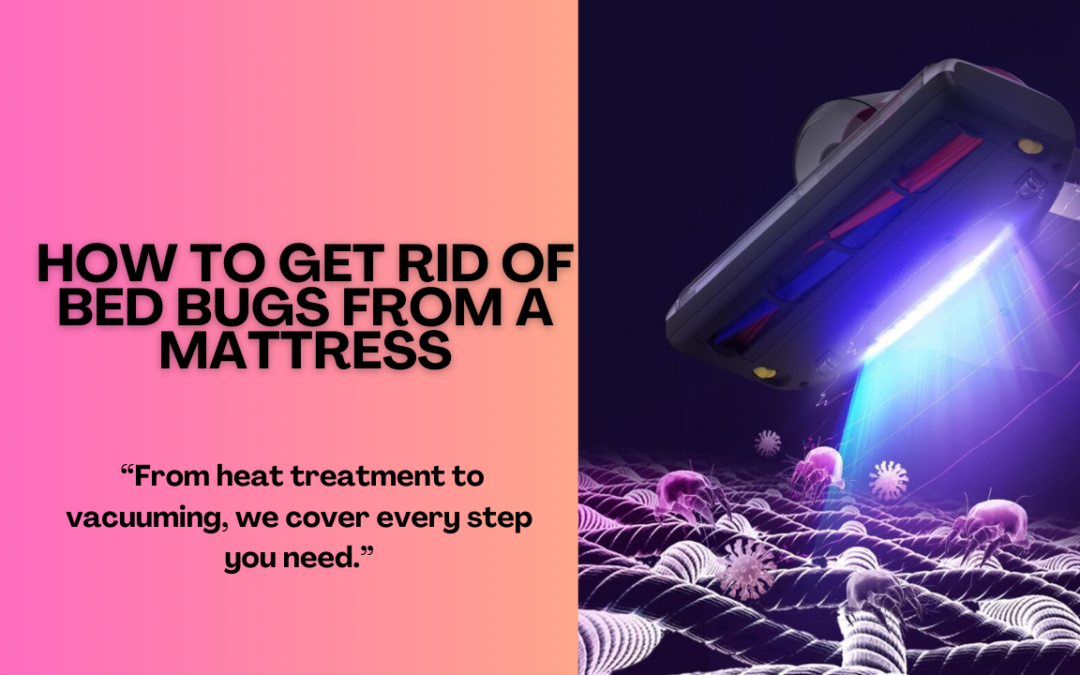
How to Get Rid of Bed Bugs From a Mattress
I’ll never forget the morning I woke up with three small red bites on my arm. My stomach dropped immediately. Bed bugs are every homeowner’s nightmare, and discovering them in your mattress feels absolutely horrifying. The itching, the disgust, the sheer panic of knowing these tiny creatures are feeding on you whilst you sleep. Getting rid of bed bugs from a mattress isn’t impossible, but it requires patience, thoroughness, and the right approach. In this guide, we will show you how to get rid of bed bugs from a mattress.
I’ve helped several friends tackle infestations, and I’ve learned what actually works versus what wastes time and money. The good news? You can eliminate these pests without having to discard your expensive mattress.
This guide walks you through every step of the process. You’ll learn how to identify bed bugs correctly, treat your mattress effectively, and prevent future infestations. I’ll share the methods that actually work, not just the ones that sound good in theory.
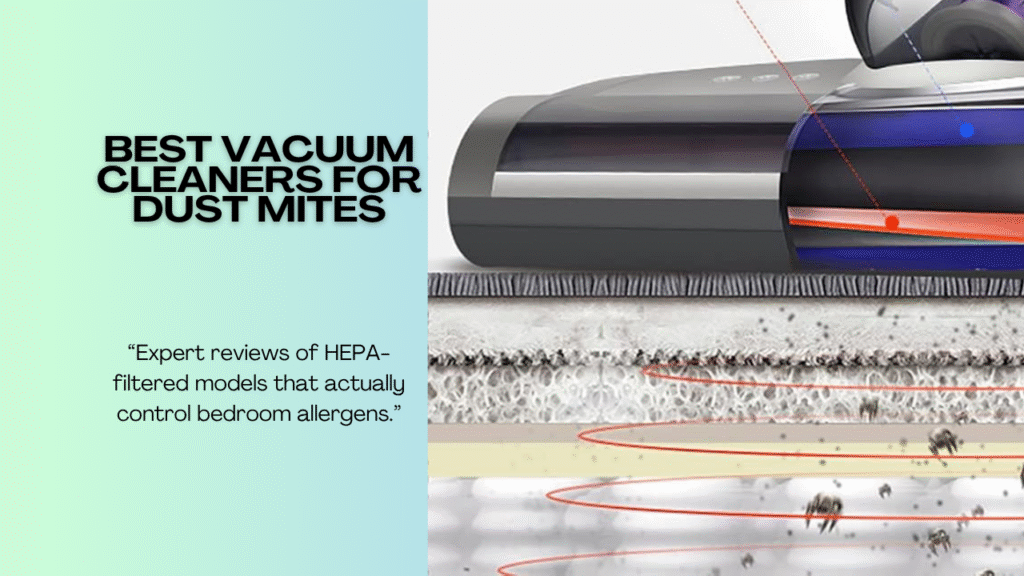
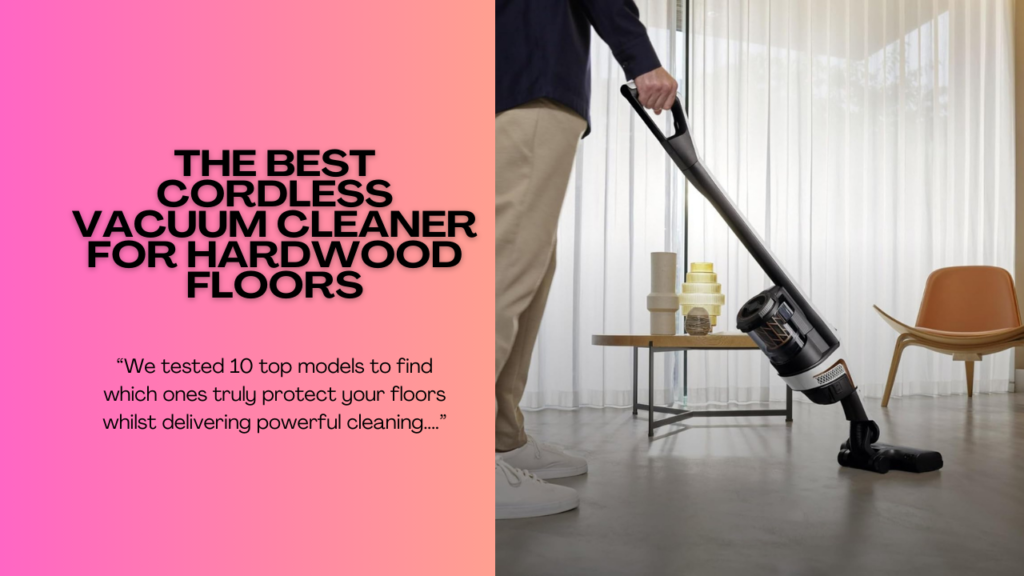
For comprehensive mattress cleaning, consider our guide to the best vacuum cleaners for mattress maintenance, which becomes essential during the treatment process
Let’s tackle this problem systematically. Your peaceful sleep depends on it.
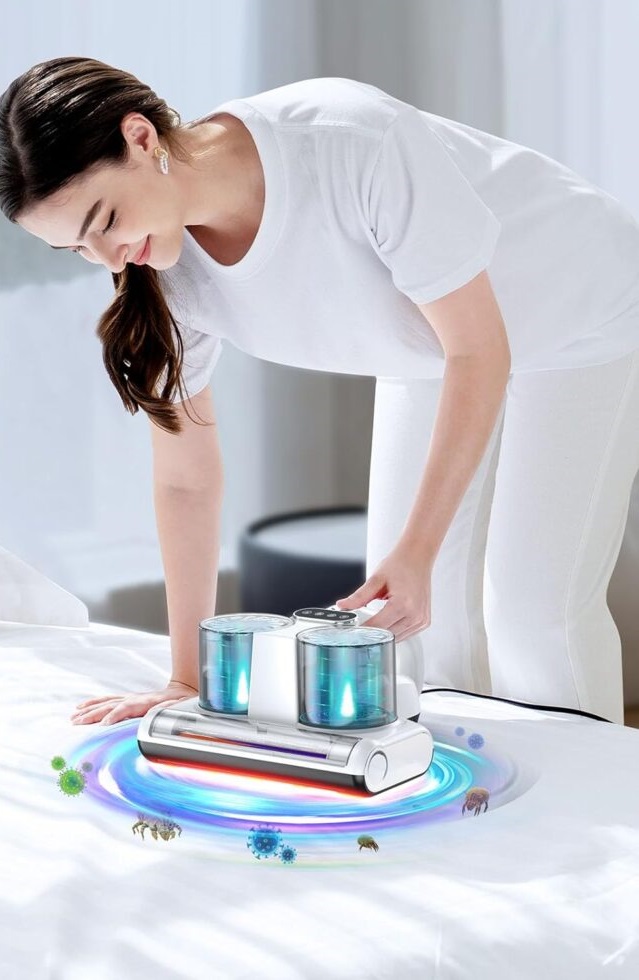
Understanding Bed Bugs and Why They Love Mattresses
Bed bugs are small, reddish-brown insects about the size of an apple seed. They feed exclusively on blood, making your mattress prime real estate for them. Mattresses provide warmth, darkness, and easy access to their food source (that’s you, unfortunately).
These pests hide in mattress seams, box springs, bed frames, and headboards during the day. They emerge at night, attracted by your body heat and carbon dioxide. A single female bed bug can lay hundreds of eggs throughout her lifetime. This rapid reproduction makes infestations escalate quickly if left untreated.
According to the Environmental Protection Agency, bed bugs have made a significant comeback in recent years. They’re found in homes, hotels, dormitories, and any place where people sleep. Don’t feel embarrassed if you have them. Bed bugs aren’t a sign of poor hygiene. They hitchhike on luggage, clothing, and used furniture indiscriminately.
Identifying them correctly matters tremendously. Many people confuse bed bug bites with mosquito bites or allergic reactions. Look for actual bugs, tiny white eggs, dark faecal spots on your sheets, or shed exoskeletons. These signs confirm you’re dealing with bed bugs rather than other pests.
Early detection makes elimination significantly easier. Check your mattress regularly, especially after travelling. Pull back sheets and inspect seams carefully. Small infestations respond better to treatment than established colonies.
Immediate Steps When You Discover Bed Bugs
Don’t panic, but act quickly. Your first instinct might be to throw everything away immediately. Resist that urge. Most mattresses can be saved with proper treatment. Hasty disposal often spreads bugs to other areas accidentally.
Start by containing the infestation. Strip all bedding immediately and seal it in plastic bags. Don’t carry loose bedding through your home. This prevents bugs from falling off and establishing new colonies elsewhere. Seal bags tightly before transport to the washing machine.
Isolate your bed from surrounding furniture. Pull it away from walls by at least 15 centimetres. Bed bug interceptors placed under bed legs prevent bugs from climbing up. These inexpensive traps catch bugs attempting to reach your mattress.
Avoid sleeping on your sofa temporarily. This common mistake spreads the infestation to new furniture. Bed bugs follow their food source. If you abandon your bed, they’ll follow you elsewhere. Continue sleeping in your bed whilst treating the infestation properly.
Document everything through photographs. This helps track progress and proves useful if you’re renting. Landlords may be responsible for treatment costs depending on your tenancy agreement. Clear photographic evidence establishes the problem’s extent.
Notify neighbours if you live in flats or terraced housing. Bed bugs travel through walls and shared spaces easily. Coordinated treatment prevents re-infestation from adjacent units.
Heat Treatment: The Most Effective Method
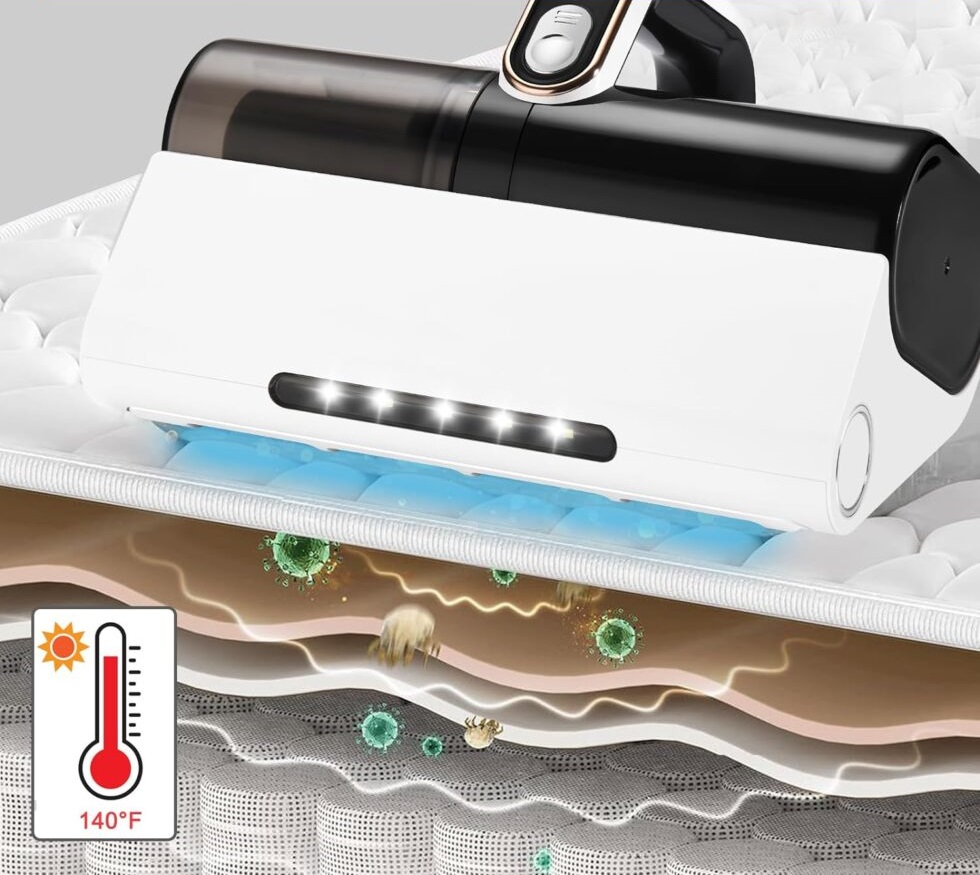
Heat kills bed bugs at all life stages, including eggs. This makes it the most reliable elimination method available. Bed bugs die when exposed to temperatures above 45°C (113°F) for 90 minutes or longer. Higher temperatures work faster.
Start with your bedding. Wash all sheets, blankets, pillowcases, and mattress covers in the hottest water possible. Most washing machines reach 60°C (140°F), which kills bed bugs effectively. Follow washing with high-heat tumble drying for at least 30 minutes. The dryer’s heat proves more lethal than washing alone.
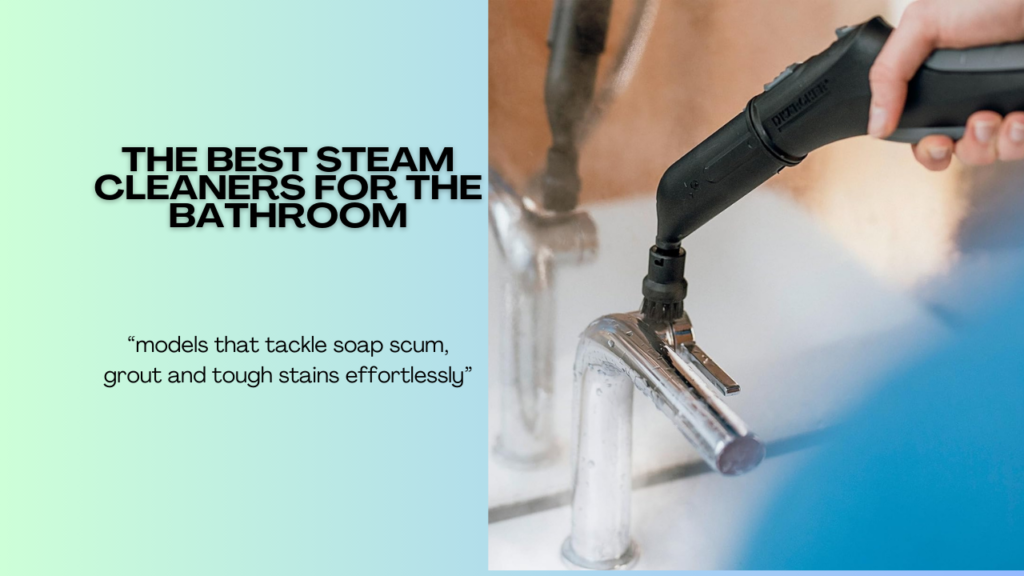
For the mattress itself, steam cleaning provides excellent results. Professional-grade steam cleaners reach temperatures exceeding 80°C (176°F). Slowly pass the steamer over every centimetre of your mattress, paying special attention to seams and tufts. The steam penetrates fabric, killing bugs hiding deep inside.
Don’t rush the steaming process. Spend 10-15 seconds on each section, ensuring heat penetration. Move methodically across the entire mattress surface. Flip the mattress and repeat the process on the bottom side. Don’t forget the box spring, which often harbours more bugs than the mattress itself.
Portable steam cleaners cost $80-150 and prove invaluable for bed bug treatment. Professional pest control services charge $200-500 per treatment. Investing in your own steamer saves money whilst providing ongoing prevention capabilities.
After steaming, allow your mattress to dry completely before replacing bedding. Damp mattresses encourage mould growth. Use fans or open windows to accelerate drying. This typically takes 4-6 hours, depending on humidity levels.
Vacuuming: Essential for Removing Bugs and Eggs
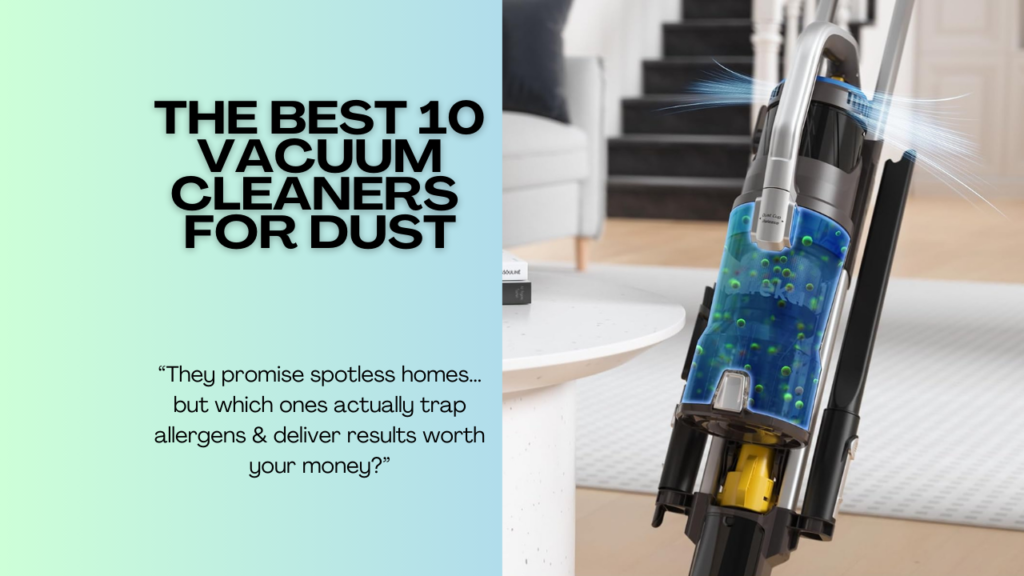
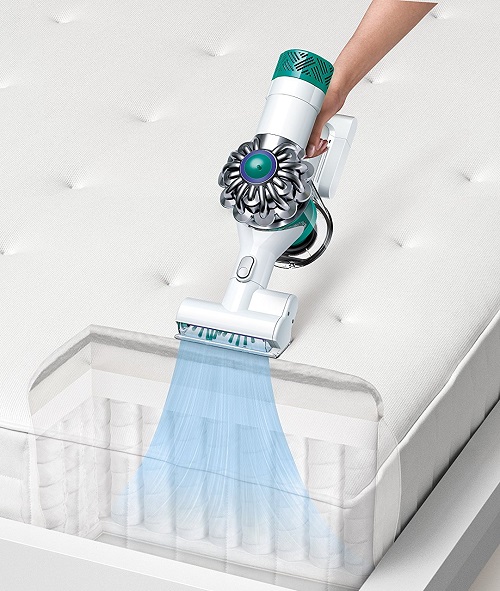
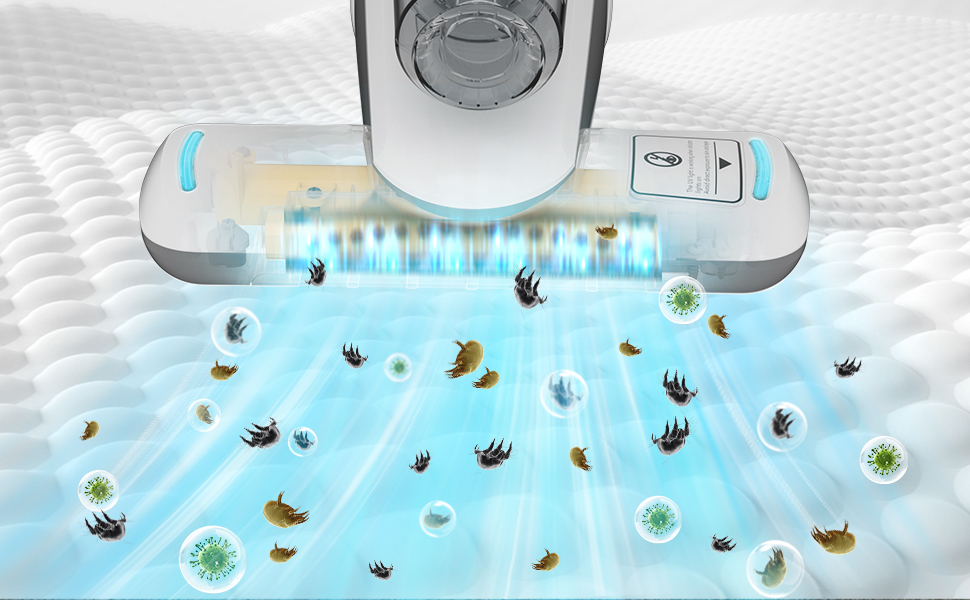
Thorough vacuuming removes live bugs, dead bugs, eggs, and shed skins from your mattress. This step complements heat treatment beautifully. Use a vacuum with strong suction and a crevice tool attachment for best results.
Start by vacuuming every surface of your mattress systematically. Use the crevice tool along all seams, piping, and tufts where bugs hide. These areas harbour the highest concentrations of pests. Press firmly whilst moving slowly to dislodge eggs and debris.
Pay special attention to the mattress underside and box spring. These areas often contain more bugs than the sleeping surface. Remove the dust cover from your box spring if possible. Vacuum inside the box spring thoroughly, reaching all corners and crevices.
According to research from Rutgers University, vacuuming alone removes approximately 90% of bed bugs from accessible surfaces. However, it rarely eliminates infestations because bugs hide in inaccessible areas. This makes vacuuming an essential part of comprehensive treatment rather than a standalone solution.
Immediately seal the vacuum bag or empty the canister into a plastic bag after vacuuming. Dispose of this bag outside your home immediately. Bugs can escape from vacuum cleaners if not contained properly. Some people place the vacuum in a sealed plastic bag for 2-3 days, ensuring any surviving bugs die from starvation.
For optimal mattress cleaning equipment that helps with bed bug removal, visit our comprehensive guide to the best vacuum cleaners for mattress care. Look for models with HEPA filtration and strong suction specifically.
Repeat vacuuming every few days during treatment. This removes newly hatched bugs before they mature and reproduce. Consistent vacuuming significantly reduces population size over time.
For comprehensive mattress cleaning, consider our guide to the best vacuum cleaners for mattress maintenance, which becomes essential during the treatment process
Mattress Encasements: Your Best Defence
Bed bug mattress encasements create an impenetrable barrier trapping bugs inside whilst preventing new infestations. These specialised covers differ significantly from regular mattress protectors. They feature bite-proof zippers and tightly woven fabric, preventing escape.
Quality encasements cost $30-80, depending on mattress size. This represents one of the most cost-effective bed bug treatments available. Once installed, leave encasements in place for at least 12-18 months. Bed bugs can survive without feeding for several months, but they’ll eventually die trapped inside.
Choose encasements specifically labelled “bed bug proof” or “bed bug certified.” Regular waterproof protectors don’t work because bugs escape through zipper gaps. Look for encasements with SecureSeal or similar locking zipper systems. These prevent even the smallest nymphs from escaping.
Install encasements on both your mattress and box spring. Bugs hide in box springs frequently, making their encasement equally important. Ensure the zipper closes completely without gaps. Even tiny openings allow bugs to escape or enter.
After installation, tape over the zipper end-to-end using duct tape. This provides additional security against escape. Replace the tape if it becomes damaged or loose. This small step prevents treatment failure significantly.
Encasements also protect against new infestations moving forward. If you travel frequently or buy used furniture, keeping encasements permanently makes sense. They provide peace of mind whilst remaining completely unnoticeable under your regular bedding.
Chemical Treatments: When to Use Pesticides
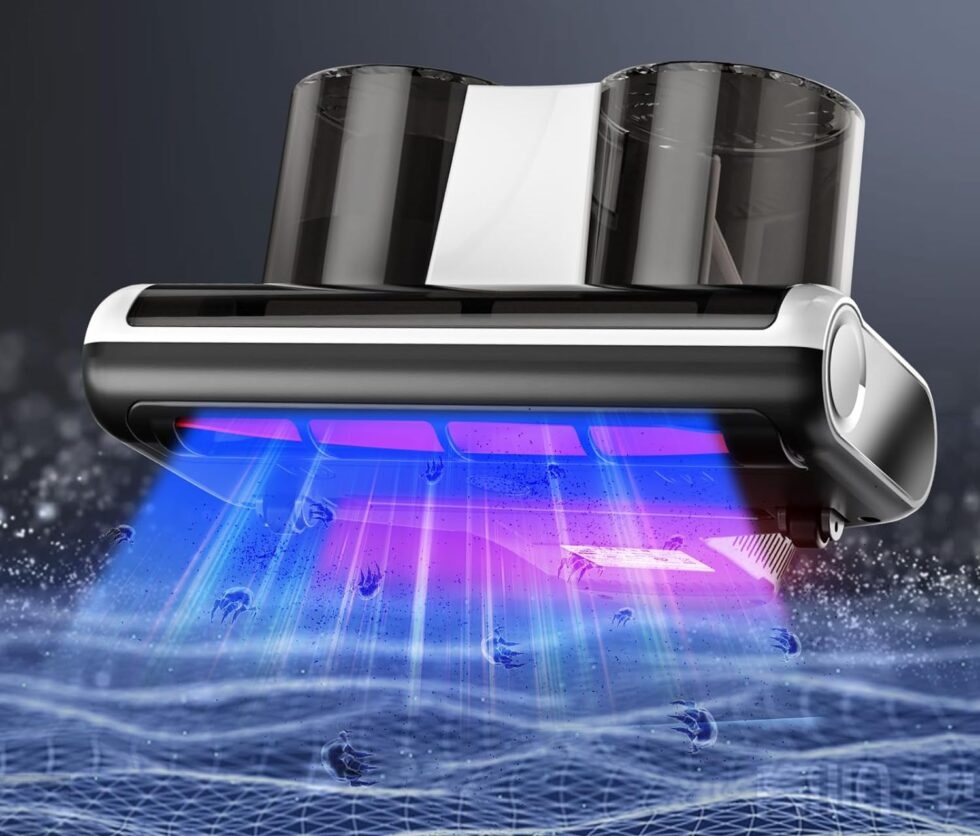
Chemical treatments should supplement physical methods rather than replace them. Many bed bugs have developed resistance to common pesticides. However, certain products remain effective when used correctly.
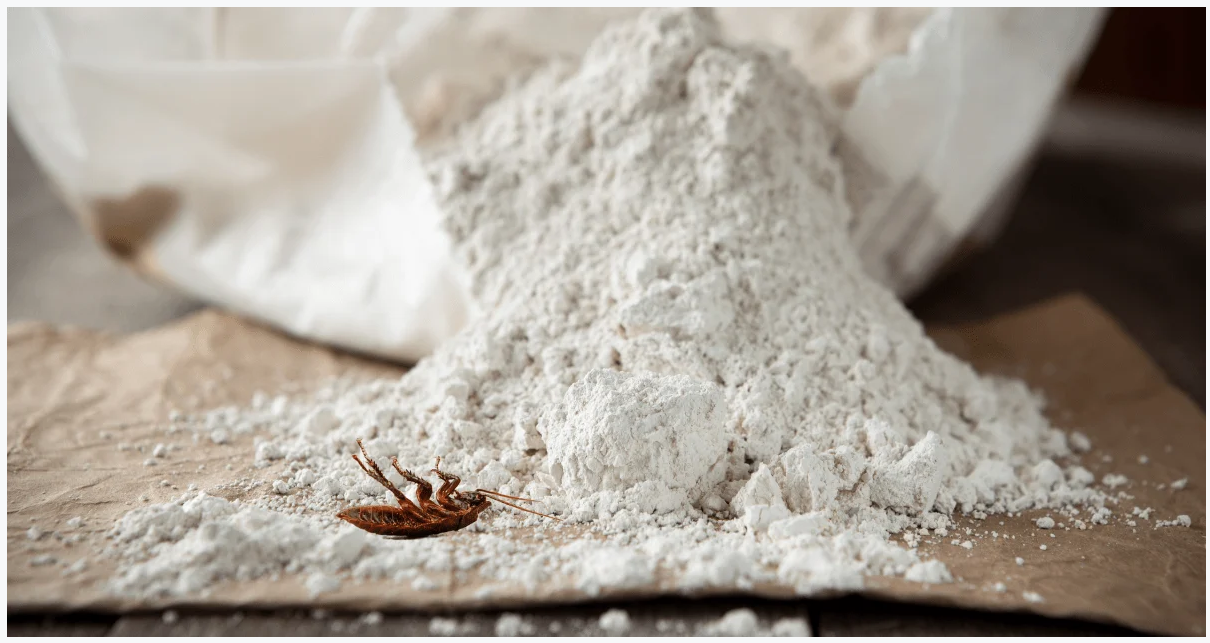
Diatomaceous earth (DE) provides a non-toxic option safe for home use. This fine powder damages bed bug exoskeletons, causing death through dehydration. Sprinkle food-grade DE lightly around your bed frame, under the mattress, and along baseboards. Avoid breathing the dust during application.
DE works slowly, taking several days to kill exposed bugs. It remains effective indefinitely as long as it stays dry. However, it only kills bugs that walk through it directly. This makes it excellent for perimeter protection but insufficient as a sole treatment method.
For severe infestations, consider professional pest control services. Licensed professionals have access to stronger pesticides unavailable to consumers. They also possess the expertise to apply treatments safely and effectively. Professional treatment costs $200-500, but guarantees results through follow-up visits.
If using over-the-counter pesticides, choose products specifically labelled for bed bugs. Read instructions carefully and follow safety precautions strictly. Many products require multiple applications spaced weeks apart. This targets newly hatched bugs that survived initial treatment.
Never spray pesticides directly on your mattress unless the label explicitly permits it. Many chemicals can be harmful when you sleep on treated surfaces nightly. Focus pesticide applications on bed frames, baseboards, and furniture instead.
Natural alternatives like essential oils (tea tree, lavender, peppermint) smell pleasant but provide limited effectiveness against established infestations. They may repel bugs temporarily, but they won’t eliminate colonies. Save these for prevention rather than active treatment.
Treating the Entire Bedroom: Beyond the Mattress
Bed bugs don’t confine themselves to mattresses exclusively. Successful elimination requires treating your entire bedroom systematically. Ignoring surrounding areas ensures re-infestation regardless of mattress treatment quality.
Start with your bed frame and headboard. Disassemble completely if possible. Vacuum all joints, crevices, and decorative elements thoroughly. Bugs hide in the tiniest gaps. Wooden furniture provides excellent hiding spots in joints and cracks. Apply diatomaceous earth or appropriate pesticides according to label directions.
Remove all items from your bedside tables and dressers. Vacuum inside drawers and along furniture backs. Check behind wall-mounted furniture carefully. Bed bugs often hide behind picture frames and wall decorations near beds.
Treat your carpet or flooring around the bed perimeter. Vacuum thoroughly, then steam clean if you have carpet. For hardwood or laminate, damp mop with hot water. Pay special attention to baseboards and moulding where bugs hide during daylight hours.
Curtains, especially those touching the floor near your bed, require treatment. Wash in hot water and dry on high heat. If they’re dry-clean only, seal them in plastic bags for several weeks. Extreme cold (below -18°C) for at least four days also kills bed bugs effectively.
Soft furnishings like throw pillows, blankets, and stuffed animals need heat treatment. Wash and dry everything possible. For items that can’t be washed, use your dryer’s high-heat setting for 30 minutes minimum.
Electronic devices like alarm clocks, lamps, and chargers require careful inspection. Bed bugs hide inside electronics occasionally. Seal suspected items in plastic bags for several weeks. This starves any bugs inside whilst preventing spread.
What to Look For When Choosing Treatment Products
Effective bed bug treatment products share several common characteristics. Understanding these helps you avoid wasting money on ineffective solutions. I’ve seen people spend hundreds on products that don’t work because they didn’t know what to look for.
Verify that products specifically label bed bugs on their packaging. General pest control products often don’t work against these resilient insects. The label should list bed bugs explicitly, not just “insects” or “crawling pests.”
Check active ingredients carefully. For pesticides, look for pyrethrins, pyrethroids, neonicotinoids, or desiccants like diatomaceous earth. Each works differently, and combining multiple approaches increases effectiveness. Some populations show resistance to specific chemicals, making variety important.
For mattress encasements, certification matters tremendously. Look for products tested and certified by independent laboratories. Labels like “Bed Bug Certified” or mentions of passing ASTM F1980 testing indicate genuine protection. Non-certified covers often fail because bugs escape through inadequate zippers.
Steam cleaners should reach at least 80°C (176°F) to kill bugs effectively. Lower temperatures won’t eliminate eggs reliably. Check specifications carefully before purchasing. Many consumer-grade steamers don’t reach the necessary temperatures.
Read reviews from actual users dealing with bed bug infestations. Their experiences reveal whether products deliver promised results. Look for detailed reviews mentioning specific outcomes rather than vague praise.
Consider how products integrate into comprehensive treatment plans. No single product eliminates bed bugs alone. Effective solutions combine multiple approaches simultaneously.
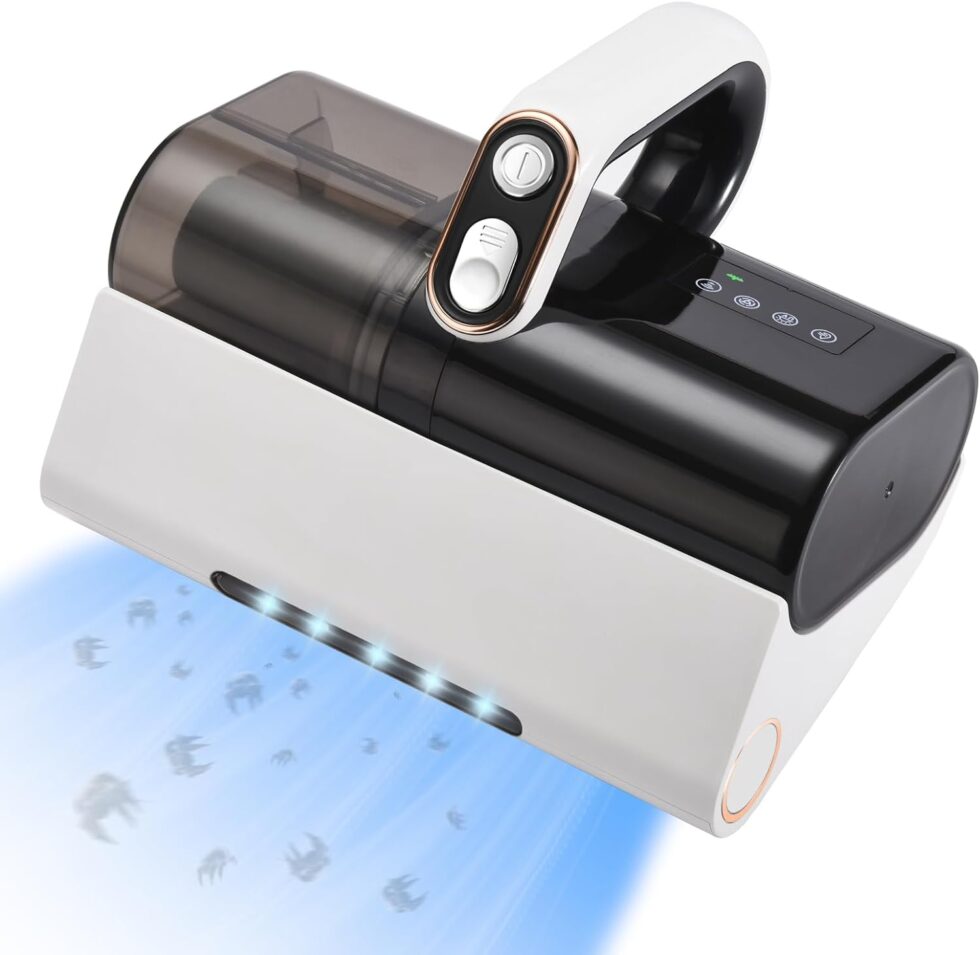
Benefits of Professional Equipment and Tools
Professional-grade equipment makes bed bug elimination significantly more effective than basic household tools. Whilst you can manage infestations with consumer products, professional equipment offers distinct advantages worth considering.
Commercial steam cleaners produce hotter, drier steam than consumer models. This kills bugs faster whilst preventing excessive moisture damage to your mattress. The investment ($200-500) seems steep but pays for itself quickly compared to repeated professional treatments.
HEPA vacuum cleaners trap microscopic bed bug eggs and prevent their escape. Standard vacuums may recirculate these tiny eggs back into your room. For recommendations on effective mattress vacuums, our guide to the best vacuum cleaners for mattress cleaning covers top-performing models specifically.
Professional bed bug monitors use carbon dioxide or heat to attract bugs, confirming whether infestations persist after treatment. These devices cost $30-100 but provide peace of mind. They detect low-level infestations before they become visible problems again.
Bed bug interceptors placed under bed legs catch bugs attempting to reach your mattress. These simple traps cost just $10-20 for a set of four. They provide early warning of new activity whilst preventing bugs from accessing your sleeping area.
Properly equipping yourself costs less than one professional treatment, typically. If you live in high-risk areas (urban flats, frequent travellers), these tools provide ongoing protection, justifying their cost many times over.
For comprehensive mattress cleaning, consider our guide to the best vacuum cleaners for mattress maintenance, which becomes essential during the treatment process
Versatility of Treatment Methods for Different Situations
Bed bug elimination strategies must adapt to different living situations and infestation severity levels. What works perfectly for one scenario may prove impractical for another. Understanding this versatility helps you choose appropriate approaches.
For light infestations caught early, heat treatment combined with thorough vacuuming often suffices. You can manage everything yourself without professional help. This saves money whilst effectively eliminating small populations before they establish.
Severe infestations require multi-pronged approaches combining heat, vacuuming, encasements, and chemical treatments. Professional pest control becomes necessary when DIY efforts fail repeatedly. Don’t waste months on ineffective home treatments. Recognise when expert intervention makes sense.
Rental properties complicate treatment because landlords typically bear responsibility for pest control. Document infestations thoroughly and notify landlords immediately in writing. Many tenancy agreements require prompt notification of pest problems. Landlords must arrange professional treatment in most jurisdictions.
Travellers need prevention strategies more than elimination techniques. Inspect hotel mattresses before unpacking. Keep luggage on racks away from beds and walls. Wash clothing in hot water immediately after returning home. These simple habits prevent infestations from starting.
Families with young children or pets require extra caution with chemical treatments. Focus primarily on heat and physical methods. If pesticides become necessary, choose products specifically labelled safe around children and animals. Follow application instructions meticulously.
Shared housing like dormitories requires coordinated treatment of all connected units. Treating one room whilst neighbours ignore infestations ensures rapid re-infestation. Building-wide treatments prove most effective in multi-unit dwellings.
Environmental Considerations When Treating Bed Bugs
Bed bug treatment can generate significant waste and use harsh chemicals if you’re not mindful. Balancing effective elimination with environmental responsibility requires thoughtful approach choices.
Heat-based treatments provide the most eco-friendly option available. Steam cleaning uses only water, producing zero chemical waste. It kills bugs effectively whilst leaving no toxic residues. This makes it ideal for families concerned about chemical exposure.
Diatomaceous earth offers another environmentally sound choice. This naturally occurring substance comes from fossilised algae. It’s non-toxic to humans and pets whilst effectively killing insects mechanically. Food-grade DE can even be consumed safely (though I wouldn’t recommend it).
When disposing of infested items, seal them completely in plastic bags. Mark bags clearly as “bed bugs” to warn waste collectors and prevent accidental spread. Some items like mattresses, may require special disposal depending on local regulations. Check with your council before leaving infested furniture curbside.
Avoid immediately discarding your mattress if possible. Millions of mattresses enter landfills annually, with many thrown away unnecessarily during bed bug panics. Encasements allow you to keep your mattress while ensuring bugs are trapped inside. This reduces waste significantly.
Choose pesticides carefully if chemical treatment becomes necessary. Look for products with lower environmental impact. Pyrethrins derived from chrysanthemum flowers break down faster than synthetic alternatives. They’re less likely to persist in the environment long-term.
Reusable items like mattress encasements, interceptors, and steam cleaners reduce waste compared to disposable solutions. These one-time purchases serve you indefinitely, preventing environmental impact from repeated product purchases.
Noise Levels During Treatment
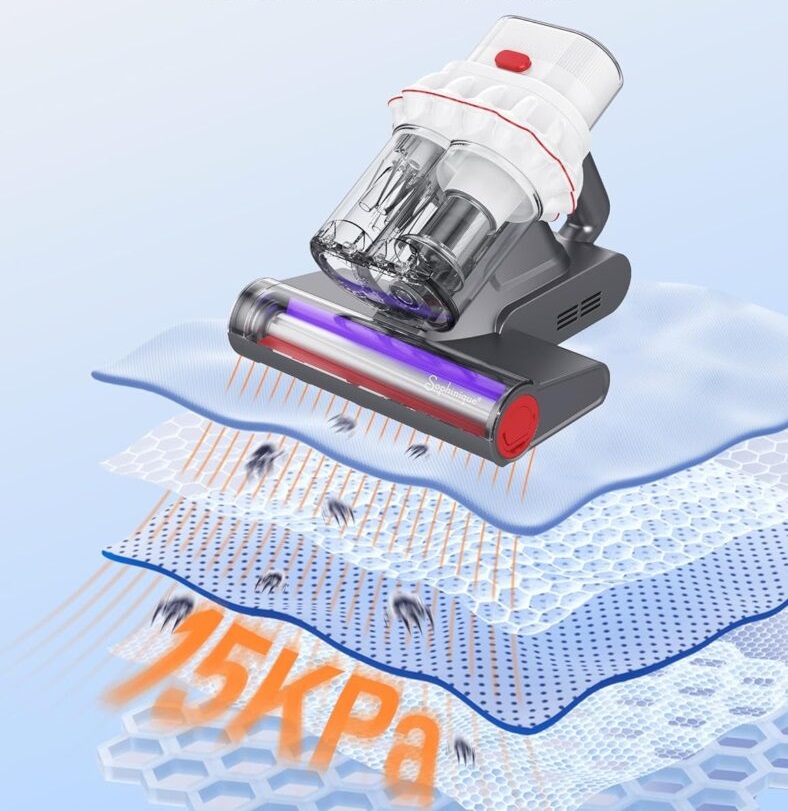
Noise considerations matter surprisingly much during bed bug treatment, especially in flats or homes with light sleepers. Different treatment methods produce varying noise levels, affecting when and how you can use them.
Vacuuming produces moderate noise comparable to regular cleaning. Most people tolerate this during normal daytime hours. However, thorough bed bug vacuuming takes longer than routine cleaning. Expect 45-60 minutes of continuous operation. Consider neighbours’ schedules when planning extended vacuuming sessions.
Steam cleaners generate both motor noise and hissing sounds from steam release. Most models run quieter than vacuum cleaners but still produce noticeable sound. The slow, methodical process requires 30-45 minutes per mattress. Choose treatment times that won’t disturb sleeping family members or neighbours.
Professional heat treatments using specialised equipment can be quite loud. Industrial heaters and fans run for 6-8 hours continuously. Professionals typically perform these treatments during business hours when most people are away. If you’re home during professional treatment, expect significant noise disruption.
Chemical applications remain relatively quiet. Spraying pesticides or sprinkling diatomaceous earth produces minimal noise. This makes chemical treatments suitable for late evening or early morning application if needed.
Installation of bed bug interceptors and mattress encasements generates no noise whatsoever. These preventive measures can be implemented at any time without disturbing anyone.
For noise-sensitive situations, prioritise quiet methods like encasements and chemical treatments. Schedule loud equipment use during times when disturbance is minimised.
Brand Reputation and Reviews for Treatment Products
Choosing reputable brands significantly improves treatment success rates. The bed bug product market includes many ineffective solutions marketed to desperate consumers. Learning which brands deliver actual results saves money and frustration.
For mattress encasements, Protect-A-Bed and SafeRest consistently receive top ratings. Both companies specifically design products for bed bug prevention. Their encasements feature truly bug-proof zippers that cheaper alternatives lack. Customer reviews show high success rates in preventing and containing infestations.
Concerning pesticides, brands like Cimexa (silica gel), Harris (diatomaceous earth), and EcoRaider (natural formula) demonstrate proven effectiveness. These products show independent laboratory testing confirming bed bug mortality rates. Avoid generic pesticides without specific bed bug labelling.
For vacuum cleaners designed for mattress care and bed bug removal, our comprehensive guide to the best vacuum cleaners for mattress maintenance reviews top-performing models from trusted brands with proven track records.
Consumer advocacy groups like Which? and testing organisations like the EPA provide valuable research on treatment effectiveness. Their findings help separate marketing hype from genuine performance. Before purchasing treatment products, check whether independent testing validates manufacturer claims.
Read recent reviews from customers dealing with actual infestations. Old reviews may not reflect current product formulations or bed bug resistance patterns. Look for detailed accounts describing treatment protocols and outcomes.
Beware of miracle cure products promising instant elimination. Bed bug treatment requires time and persistence. Products claiming overnight results typically disappoint. Trustworthy brands set realistic expectations about treatment timelines and necessary follow-up.
Budget-Friendly Options for Bed Bug Treatment
Professional pest control costs hundreds of pounds, making DIY treatment attractive for budget-conscious households. Fortunately, effective bed bug elimination doesn’t require expensive solutions necessarily.
The most budget-friendly starting point involves heat treatment using items you already own. Your washing machine and tumble dryer become powerful weapons against bed bugs. Wash all bedding, pillows, and fabric items on the hottest settings. This costs only the electricity to run the appliances you’re using anyway.
Food-grade diatomaceous earth costs just $10-20 for enough powder to treat an entire bedroom. This one-time purchase provides months of protection. Apply it carefully around bed legs and baseboards for ongoing prevention.
Mattress encasements represent the best value in bed bug treatment. Quality encasements cost $30-80 but last for years whilst trapping bugs permanently. This single purchase often proves more effective than hundreds spent on repeated pesticide applications.
DIY steam cleaning can be accomplished with rented equipment if purchasing seems excessive. Many supermarkets and hardware stores rent carpet cleaners for $20-30 daily. These reach sufficient temperatures to kill bed bugs effectively. One day’s rental treats your entire bedroom thoroughly.
Free resources from government health departments provide treatment protocols proven effective. The EPA publishes comprehensive guides on bed bug elimination. Following their recommendations costs little whilst ensuring science-based approaches.
Budget strategies require more time investment than professional treatment. However, patient DIY efforts eliminate infestations successfully when done correctly. Save money without sacrificing effectiveness by combining multiple inexpensive methods simultaneously.
For comprehensive mattress cleaning, consider our guide to the best vacuum cleaners for mattress maintenance, which becomes essential during the treatment process
Maintenance After Initial Treatment
Eliminating bed bugs requires ongoing vigilance even after initial treatment appears successful. Eggs may hatch weeks later, and new bugs might hitchhike home despite your best efforts. Proper maintenance prevents re-establishment of infestations.
Continue regular mattress inspections weekly for at least three months post-treatment. Pull back sheets and examine seams carefully using a torch. Look for live bugs, shed skins, dark spots, or eggs. Early detection of any survivors allows immediate action before populations rebound.
Keep mattress encasements installed for 12-18 months minimum after your last bug sighting. This ensures any trapped bugs die completely. Don’t remove encasements prematurely, thinking the problem is solved. Patience prevents disappointing reinfestation.
Vacuum your mattress and bed frame weekly during the monitoring period. This removes any newly hatched bugs before they mature and reproduce. According to the Centres for Disease Control and Prevention, consistent vacuuming significantly reduces the risk of re-infestation.
Maintain bed bug interceptors under bed legs indefinitely as early warning devices. Check them weekly for trapped bugs. Their presence indicates treatment failure or new introduction from outside sources. Empty and clean interceptors monthly to maintain effectiveness.
Wash bedding in hot water weekly rather than your previous routine. This kills any bugs that might have reached your sheets before you detected them. Hot washing becomes a habit worth maintaining long-term.
Continue using diatomaceous earth barriers around your bedroom perimeter. Refresh the powder every few months as it can be dispersed by cleaning or foot traffic. This provides ongoing protection against bugs entering from adjacent areas.
Warranty Information for Treatment Products
Understanding warranty coverage for bed bug treatment products protects your investment and ensures satisfaction. Different products offer varying protection levels worth considering during purchase decisions.
Mattress encasements typically include warranties ranging from one to ten years, depending on brand and price point. Premium encasements offer lifetime warranties against defects and tears. These warranties usually require proof of purchase and proper use. Damage from improper installation or removal often voids coverage.
Read warranty terms carefully before purchasing. Some manufacturers require defect notification within specific timeframes. Others offer satisfaction guarantees, allowing returns if bed bugs escape encasements. These guarantees demonstrate the manufacturer’s confidence in their products.
Steam cleaners and vacuum cleaners include standard appliance warranties covering one to three years, typically. Extended warranties may be available for purchase. For expensive professional-grade equipment, extended coverage makes sense financially.
Chemical treatment products rarely include warranties due to application variability. Effectiveness depends heavily on proper use rather than product defects. However, most retailers accept returns of unopened pesticide products within standard return periods.
Professional pest control services should guarantee their work. Reputable companies offer follow-up treatments at no additional cost if bugs return within specified timeframes. Warranties typically range from 30 days to one year. Get guarantee terms in writing before service begins.
Document all purchases with receipts and photographs. This evidence proves useful if warranty claims become necessary. Some warranties require product registration within specific periods after purchase.
Common Cleaning Challenges and Solutions
Bed bug elimination presents numerous challenges that frustrate even determined homeowners. Understanding common obstacles helps you overcome them effectively rather than giving up prematurely.
Challenge: Bed bugs hiding in inaccessible areas like wall voids and electrical outlets survive treatment. Solution: Focus on making your bed an isolated island. Even if bugs hide in walls, preventing access to your sleeping area starves them over time. Use interceptors and encasements whilst treating accessible areas thoroughly.
Challenge: Repeated treatments seem ineffective because bugs keep returning. Solution: You might be dealing with re-infestation from outside sources rather than treatment failure. Check whether neighbours have bed bugs. Inspect used furniture before bringing it inside. Examine your luggage after travelling.
Challenge: Family members react differently to bites, confusing whether bugs remain. Solution: Not everyone reacts to bed bug bites identically. Some people show no reaction, whilst others develop severe welts. Don’t rely solely on bites for monitoring. Use interceptors and visual inspections instead.
Challenge: Children or pets interfere with treatment by disturbing diatomaceous earth barriers or removing interceptors. Solution: Explain the importance of treatment to children old enough to understand. For young children and pets, focus on methods that can’t disrupt, like encasements and sealed mattresses.
Challenge: Mattress is too heavy to flip for treatment underneath. Solution: Recruit help from friends or family. Two people can flip even king-size mattresses safely. Alternatively, treat one side, wait for it to dry, then flip and treat the other side. This takes longer but remains manageable solo.
Challenge: Steam cleaning leaves your mattress too wet. Solution: Use fans and dehumidifiers to accelerate drying. Point fans directly at the mattress and open windows for airflow. Consider treating only one side daily, allowing each side 24 hours to dry thoroughly.

Tips for Maximising Treatment Efficiency
Strategic approaches significantly improve bed bug elimination success rates whilst reducing the time and effort required. I’ve learned these efficiency tips through experience and research.
Create a written treatment plan before starting. Document which areas you’ve treated and when. Schedule follow-up treatments on your calendar. This organisation prevents missed steps that allow bugs to survive.
Treat your entire bedroom on the same day when possible. Simultaneous treatment prevents bugs from fleeing treated areas to untreated zones. Coordinated approaches eliminate hiding places comprehensively.
Work systematically from one side of the room to the other. Complete each area fully before moving forward. This prevents repeatedly covering the same ground while accidentally missing sections.
Combine multiple methods simultaneously rather than trying one approach at a time. Heat treatment plus vacuuming plus encasements plus diatomaceous earth works far better than any single method alone. Integrated pest management proves most effective according to university research.
Time treatments strategically around your schedule. Treat your bedroom on Friday evening, so you have the weekend for drying and follow-up work. This prevents disrupting your work week whilst ensuring adequate time for thorough treatment.
Document progress through photographs. Take before pictures showing evidence. Continue photographing throughout treatment. These records show improvement whilst helping you identify problem areas needing extra attention.
Enlist help from family members. Multiple people working together complete treatment faster and more thoroughly than solo efforts. Assign specific tasks to each person for efficient division of labour.
Frequency of Treatment and Monitoring
Bed bug elimination requires multiple treatments because eggs hatch on different schedules. Understanding proper treatment timing prevents premature declarations of victory that lead to disappointing comebacks.
Initial comprehensive treatment should address all infested areas simultaneously. This includes heat treatment, vacuuming, and chemical application where appropriate. Think of this as your main offensive, eliminating the bulk of the population.
Repeat treatments every 7-10 days for at least three cycles. This timing targets newly hatched nymphs before they mature and reproduce. Bed bug eggs hatch within 6-10 days, typically. Regular follow-ups catch new bugs whilst they’re still vulnerable.
After three treatment cycles, continue monitoring weekly for two months. Visual inspections and interceptor checks reveal whether any bugs survived. Finding live bugs requires immediate re-treatment of affected areas.
If you discover new bugs during monitoring, don’t panic. This doesn’t necessarily mean treatment failed. New introductions from outside sources happen. Treat discoveries immediately whilst investigating possible outside sources.
Complete elimination typically takes 4-6 weeks of consistent effort for light infestations. Severe infestations may require 2-3 months of persistent treatment and monitoring. Patience and consistency matter more than intensity for long-term success.
Once you’ve seen no evidence of bed bugs for two months straight, consider the infestation eliminated. However, maintain preventive measures indefinitely. Keep encasements in place and check interceptors monthly as ongoing precautions.
Storage Tips for Treatment Equipment and Products
Proper storage of treatment supplies ensures they remain effective whilst keeping them safely away from children and pets. The organisation also encourages ongoing prevention efforts by making supplies easily accessible.
Store pesticides in their original containers always. Child-resistant caps and warning labels remain important safety features. Keep pesticides in a locked cabinet or high shelf away from areas where children and pets can access them.
Diatomaceous earth should be kept in airtight containers to prevent moisture absorption. Damp DE loses effectiveness significantly. Store containers in dry areas like cupboards rather than under sinks where humidity accumulates.
Steam cleaners require proper drainage before storage. Empty all water from tanks and reservoirs to prevent mould growth. Wipe down exteriors with dry cloths. Store steam cleaners in utility cupboards where they stay dry and accessible.
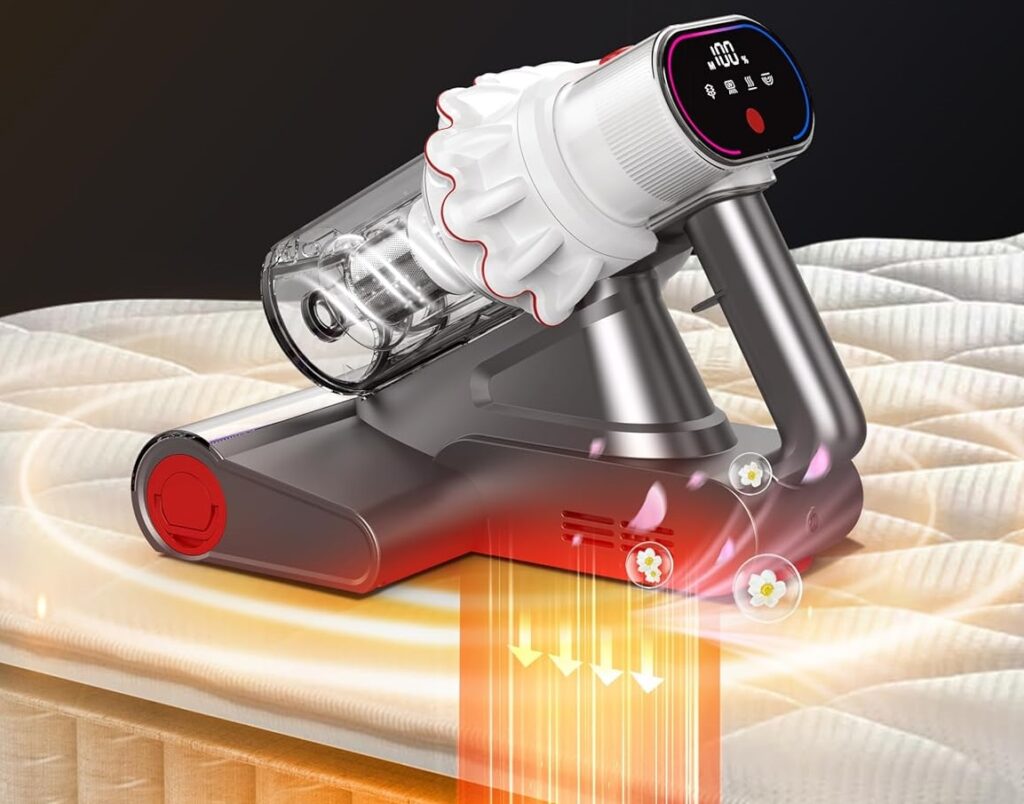
Vacuum cleaners used for bed bug removal should be cleaned thoroughly before storage. Seal and dispose of bags or empty canisters outside immediately after use. Wipe down the vacuum exterior to remove any bugs that might have crawled onto it.
Keep mattress encasements in their original packaging if you’re storing spares. The packaging protects them from damage whilst keeping them dust-free. Store in clean, dry areas away from sharp objects that might tear them.
Create a dedicated bed bug prevention kit containing interceptors, diatomaceous earth, spare encasements, and treatment records. Label the storage container clearly. This organisation ensures you can respond quickly to any signs of re-infestation.
For comprehensive information on mattress cleaning equipment, including storage and maintenance tips, visit our guide to the best vacuum cleaners for mattress care. Proper equipment care extends its useful life significantly.
For comprehensive mattress cleaning, consider our guide to the best vacuum cleaners for mattress maintenance, which becomes essential during the treatment process
Prevention Strategies for Future Infestations
Successfully eliminating bed bugs teaches valuable lessons about preventing future infestations. These strategies protect your home going forward, especially important if you live in high-risk areas or travel frequently.
Inspect second-hand furniture thoroughly before bringing it inside. Check seams, joints, and undersides carefully. Many infestations start from used mattresses, sofas, or bed frames purchased cheaply. When in doubt, avoid items from unknown sources.
Hotel vigilance prevents travel-related introductions. Always inspect your hotel room before unpacking. Pull back bedding and check mattress seams immediately. Keep luggage on racks away from beds and walls. Never place bags on beds or floors.
Upon returning from travel, unpack directly into your washing machine if possible. Wash everything in hot water immediately. Inspect luggage carefully outside your home before bringing it inside. Consider storing luggage in garages or sheds rather than bedrooms.
Reduce bedroom clutter significantly. Cluttered rooms provide countless hiding places, making detection and treatment difficult. Minimalist bedrooms allow easier inspection and cleaning. Store clothing in sealed plastic containers rather than leaving items scattered around.
Regular mattress inspections catch problems early when they’re most manageable. Set a monthly reminder to examine your mattress thoroughly. Early detection prevents small introductions from becoming established infestations.
Maintain protective barriers like mattress encasements indefinitely. These provide ongoing insurance against future problems. The minimal inconvenience far outweighs potential infestation costs.
Conclusion On How To Get Rid Of Bed Bugs From a Mattress
Getting rid of bed bugs from a mattress demands patience, thoroughness, and multifaceted approaches. There’s no magic bullet, but combining heat treatment, vacuuming, encasements, and targeted chemical applications eliminates even stubborn infestations successfully.
Start immediately upon discovering bugs. Strip bedding, isolate your bed, and begin systematic treatment. Don’t let embarrassment delay action. Bed bugs spread rapidly when ignored. Early intervention makes elimination significantly easier.
Heat remains your most powerful weapon. Steam clean your mattress thoroughly, wash bedding in hot water, and use high-heat tumble drying. These methods kill bugs at all life stages without leaving chemical residues. Invest in quality steam cleaners for ongoing protection.
Mattress encasements provide essential defence by trapping surviving bugs whilst preventing new infestations. Leave them in place for at least 12-18 months. This single purchase often proves more effective than hundreds spent on other treatments.
Remember that successful elimination requires 4-6 weeks of consistent effort. Schedule multiple treatment cycles, monitor progress carefully, and maintain vigilance even after bugs disappear. Prevention strategies protect your home long-term.
For comprehensive mattress maintenance that includes bed bug prevention, check out our detailed guide to the best vacuum cleaners for mattress cleaning. Proper equipment makes ongoing prevention significantly easier.
You can defeat bed bugs without discarding your mattress or spending thousands on professional services. Follow these proven methods systematically. Your peaceful, bite-free sleep awaits on the other side of persistent effort.
Stay vigilant, act quickly, and trust the process. You’ve got this.