I’ll never forget the morning I woke up with three small red bites on my arm. My stomach dropped immediately. Bed bugs are every homeowner’s nightmare, and discovering them in your mattress feels absolutely horrifying. The itching, the disgust, the sheer panic of knowing these tiny creatures are feeding on you whilst you sleep. Getting rid of bed bugs from a mattress isn’t impossible, but it requires patience, thoroughness, and the right approach. In this guide, we will show you how to get rid of bed bugs from a mattress.
I’ve helped several friends tackle infestations, and I’ve learned what actually works versus what wastes time and money. The good news? You can eliminate these pests without having to discard your expensive mattress.
This guide walks you through every step of the process. You’ll learn how to identify bed bugs correctly, treat your mattress effectively, and prevent future infestations. I’ll share the methods that actually work, not just the ones that sound good in theory.
Let’s tackle this problem systematically. Your peaceful sleep depends on it.
Understanding Bed Bugs and Why They Love Mattresses
Bed bugs are small, reddish-brown insects about the size of an apple seed. They feed exclusively on blood, making your mattress prime real estate for them. Mattresses provide warmth, darkness, and easy access to their food source (that’s you, unfortunately).
These pests hide in mattress seams, box springs, bed frames, and headboards during the day. They emerge at night, attracted by your body heat and carbon dioxide. A single female bed bug can lay hundreds of eggs throughout her lifetime. This rapid reproduction makes infestations escalate quickly if left untreated.
According to the Environmental Protection Agency, bed bugs have made a significant comeback in recent years. They’re found in homes, hotels, dormitories, and any place where people sleep. Don’t feel embarrassed if you have them. Bed bugs aren’t a sign of poor hygiene. They hitchhike on luggage, clothing, and used furniture indiscriminately.
Identifying them correctly matters tremendously. Many people confuse bed bug bites with mosquito bites or allergic reactions. Look for actual bugs, tiny white eggs, dark faecal spots on your sheets, or shed exoskeletons. These signs confirm you’re dealing with bed bugs rather than other pests.
Early detection makes elimination significantly easier. Check your mattress regularly, especially after travelling. Pull back sheets and inspect seams carefully. Small infestations respond better to treatment than established colonies.
Immediate Steps When You Discover Bed Bugs
Don’t panic, but act quickly. Your first instinct might be to throw everything away immediately. Resist that urge. Most mattresses can be saved with proper treatment. Hasty disposal often spreads bugs to other areas accidentally.
Start by containing the infestation. Strip all bedding immediately and seal it in plastic bags. Don’t carry loose bedding through your home. This prevents bugs from falling off and establishing new colonies elsewhere. Seal bags tightly before transport to the washing machine.
Isolate your bed from surrounding furniture. Pull it away from walls by at least 15 centimetres. Bed bug interceptors placed under bed legs prevent bugs from climbing up. These inexpensive traps catch bugs attempting to reach your mattress.
Avoid sleeping on your sofa temporarily. This common mistake spreads the infestation to new furniture. Bed bugs follow their food source. If you abandon your bed, they’ll follow you elsewhere. Continue sleeping in your bed whilst treating the infestation properly.
Document everything through photographs. This helps track progress and proves useful if you’re renting. Landlords may be responsible for treatment costs depending on your tenancy agreement. Clear photographic evidence establishes the problem’s extent.
Notify neighbours if you live in flats or terraced housing. Bed bugs travel through walls and shared spaces easily. Coordinated treatment prevents re-infestation from adjacent units.
Heat Treatment: The Most Effective Method
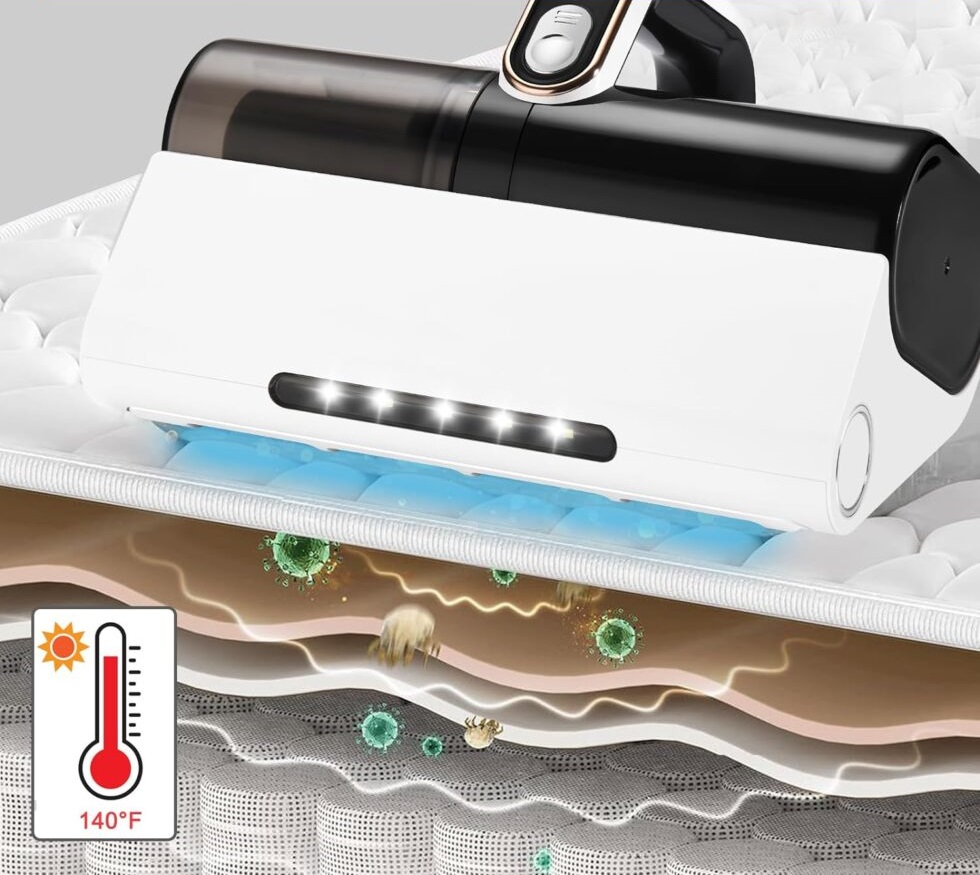
Heat kills bed bugs at all life stages, including eggs. This makes it the most reliable elimination method available. Bed bugs die when exposed to temperatures above 45°C (113°F) for 90 minutes or longer. Higher temperatures work faster.
Start with your bedding. Wash all sheets, blankets, pillowcases, and mattress covers in the hottest water possible. Most washing machines reach 60°C (140°F), which kills bed bugs effectively. Follow washing with high-heat tumble drying for at least 30 minutes. The dryer’s heat proves more lethal than washing alone.
For the mattress itself, steam cleaning provides excellent results. Professional-grade steam cleaners reach temperatures exceeding 80°C (176°F). Slowly pass the steamer over every centimetre of your mattress, paying special attention to seams and tufts. The steam penetrates fabric, killing bugs hiding deep inside.
Don’t rush the steaming process. Spend 10-15 seconds on each section, ensuring heat penetration. Move methodically across the entire mattress surface. Flip the mattress and repeat the process on the bottom side. Don’t forget the box spring, which often harbours more bugs than the mattress itself.
Portable steam cleaners cost $80-150 and prove invaluable for bed bug treatment. Professional pest control services charge $200-500 per treatment. Investing in your own steamer saves money whilst providing ongoing prevention capabilities.
After steaming, allow your mattress to dry completely before replacing bedding. Damp mattresses encourage mould growth. Use fans or open windows to accelerate drying. This typically takes 4-6 hours, depending on humidity levels.
Vacuuming: Essential for Removing Bugs and Eggs
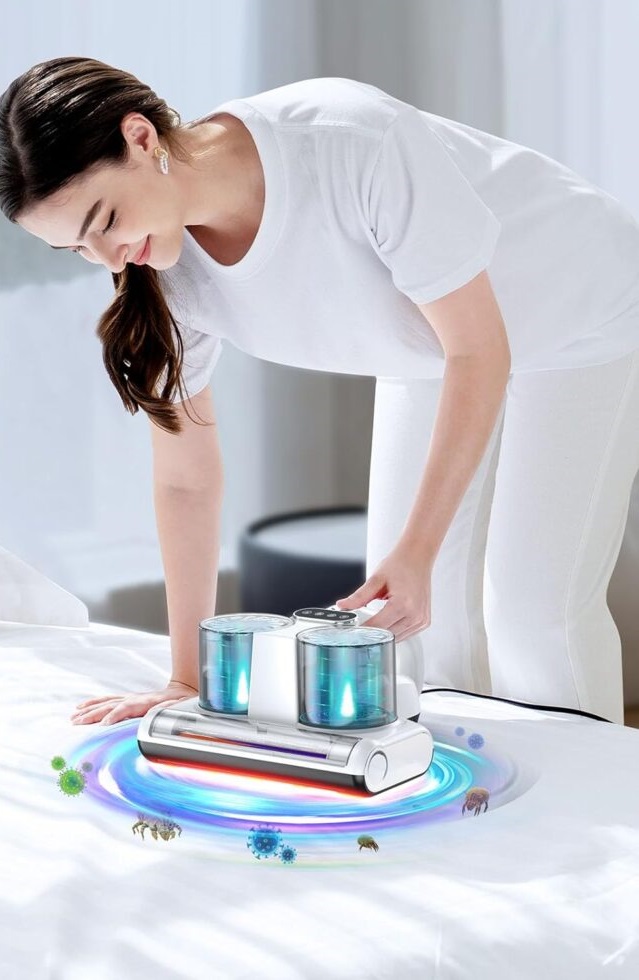
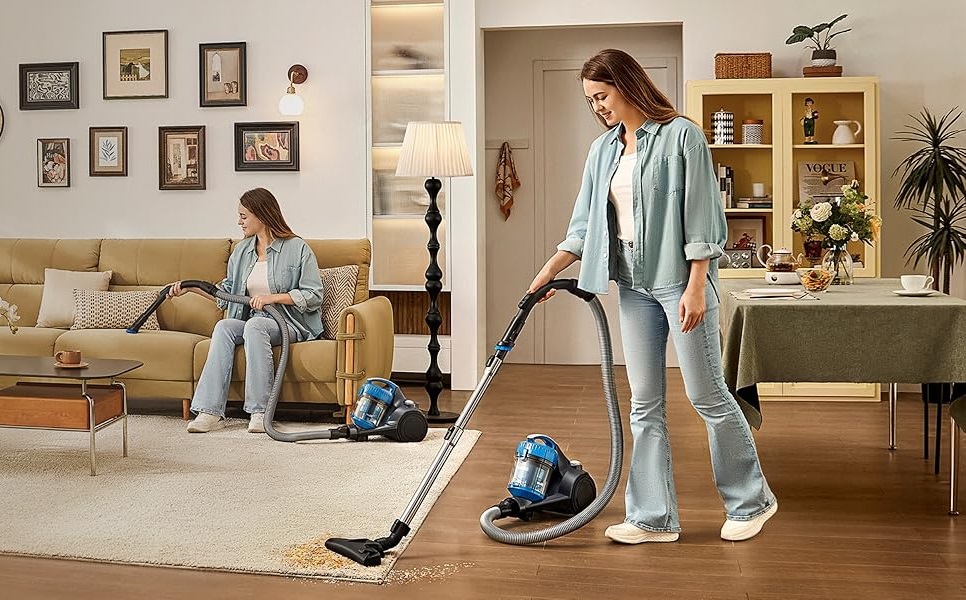
Thorough vacuuming removes live bugs, dead bugs, eggs, and shed skins from your mattress. This step complements heat treatment beautifully. Use a vacuum with strong suction and a crevice tool attachment for best results.
Start by vacuuming every surface of your mattress systematically. Use the crevice tool along all seams, piping, and tufts where bugs hide. These areas harbour the highest concentrations of pests. Press firmly whilst moving slowly to dislodge eggs and debris.
Pay special attention to the mattress underside and box spring. These areas often contain more bugs than the sleeping surface. Remove the dust cover from your box spring if possible. Vacuum inside the box spring thoroughly, reaching all corners and crevices.
According to research from Rutgers University, vacuuming alone removes approximately 90% of bed bugs from accessible surfaces. However, it rarely eliminates infestations because bugs hide in inaccessible areas. This makes vacuuming an essential part of comprehensive treatment rather than a standalone solution.
Immediately seal the vacuum bag or empty the canister into a plastic bag after vacuuming. Dispose of this bag outside your home immediately. Bugs can escape from vacuum cleaners if not contained properly. Some people place the vacuum in a sealed plastic bag for 2-3 days, ensuring any surviving bugs die from starvation.
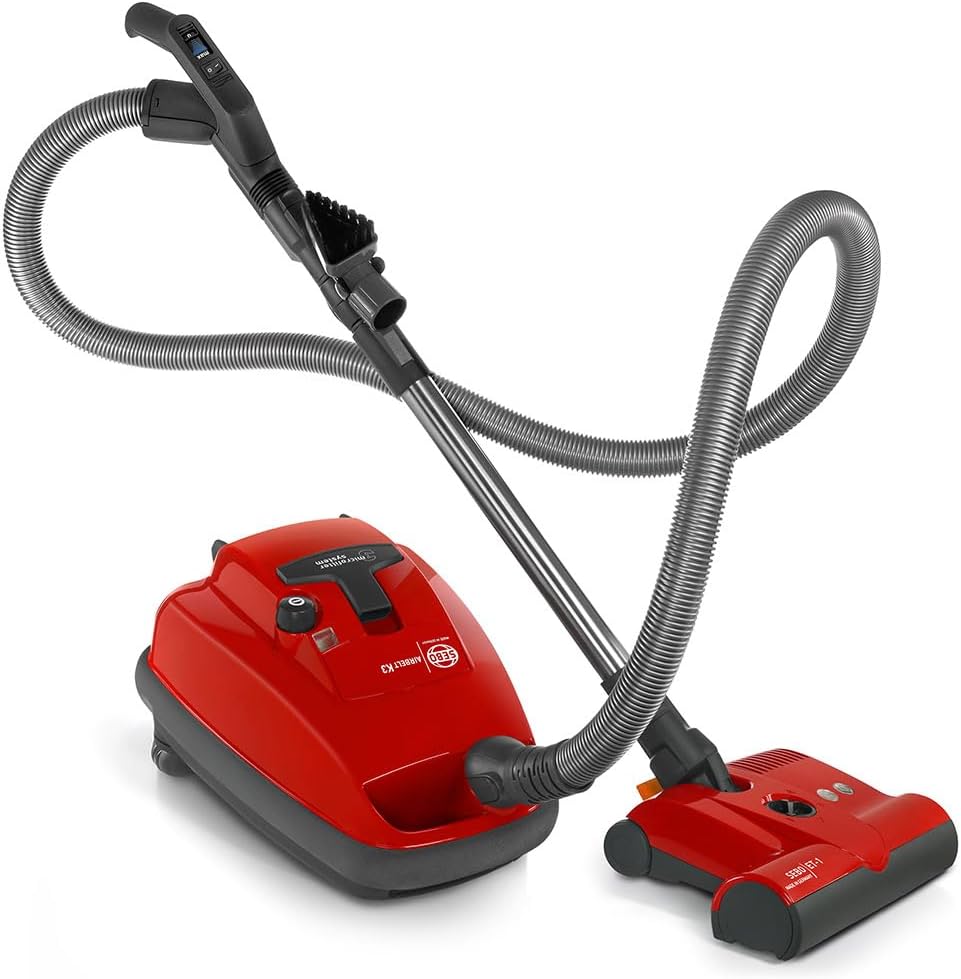
For optimal mattress cleaning equipment that helps with bed bug removal, visit our comprehensive guide to the best vacuum cleaners for mattress care. Look for models with HEPA filtration and strong suction specifically.
Repeat vacuuming every few days during treatment. This removes newly hatched bugs before they mature and reproduce. Consistent vacuuming significantly reduces population size over time.
Bed bug mattress encasements create an impenetrable barrier trapping bugs inside whilst preventing new infestations. These specialised covers differ significantly from regular mattress protectors. They feature bite-proof zippers and tightly woven fabric, preventing escape.
Quality encasements cost $30-80, depending on mattress size. This represents one of the most cost-effective bed bug treatments available. Once installed, leave encasements in place for at least 12-18 months. Bed bugs can survive without feeding for several months, but they’ll eventually die trapped inside.
Choose encasements specifically labelled “bed bug proof” or “bed bug certified.” Regular waterproof protectors don’t work because bugs escape through zipper gaps. Look for encasements with SecureSeal or similar locking zipper systems. These prevent even the smallest nymphs from escaping.
Install encasements on both your mattress and box spring. Bugs hide in box springs frequently, making their encasement equally important. Ensure the zipper closes completely without gaps. Even tiny openings allow bugs to escape or enter.
After installation, tape over the zipper end-to-end using duct tape. This provides additional security against escape. Replace the tape if it becomes damaged or loose. This small step prevents treatment failure significantly.
Encasements also protect against new infestations moving forward. If you travel frequently or buy used furniture, keeping encasements permanently makes sense. They provide peace of mind whilst remaining completely unnoticeable under your regular bedding.
Chemical Treatments: When to Use Pesticides
Chemical treatments should supplement physical methods rather than replace them. Many bed bugs have developed resistance to common pesticides. However, certain products remain effective when used correctly.
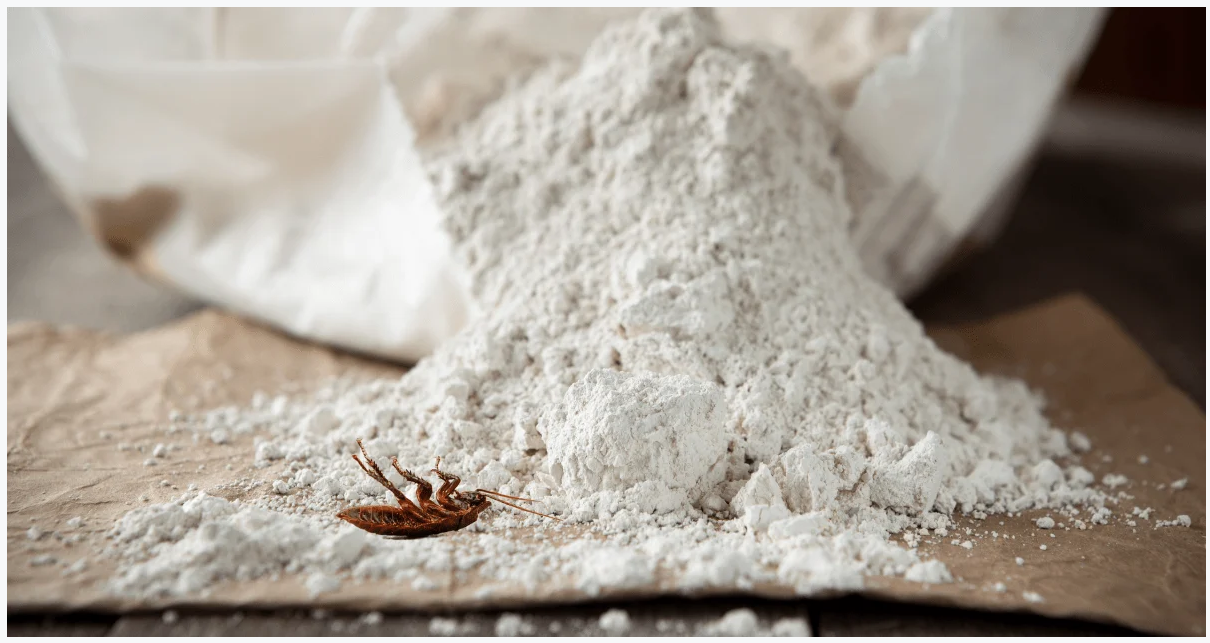
Diatomaceous earth (DE) provides a non-toxic option safe for home use. This fine powder damages bed bug exoskeletons, causing death through dehydration. Sprinkle food-grade DE lightly around your bed frame, under the mattress, and along baseboards. Avoid breathing the dust during application.
DE works slowly, taking several days to kill exposed bugs. It remains effective indefinitely as long as it stays dry. However, it only kills bugs that walk through it directly. This makes it excellent for perimeter protection but insufficient as a sole treatment method.
For severe infestations, consider professional pest control services. Licensed professionals have access to stronger pesticides unavailable to consumers. They also possess the expertise to apply treatments safely and effectively. Professional treatment costs $200-500, but guarantees results through follow-up visits.
If using over-the-counter pesticides, choose products specifically labelled for bed bugs. Read instructions carefully and follow safety precautions strictly. Many products require multiple applications spaced weeks apart. This targets newly hatched bugs that survived initial treatment.
Never spray pesticides directly on your mattress unless the label explicitly permits it. Many chemicals can be harmful when you sleep on treated surfaces nightly. Focus pesticide applications on bed frames, baseboards, and furniture instead.
Natural alternatives like essential oils (tea tree, lavender, peppermint) smell pleasant but provide limited effectiveness against established infestations. They may repel bugs temporarily, but they won’t eliminate colonies. Save these for prevention rather than active treatment.
Treating the Entire Bedroom: Beyond the Mattress
Bed bugs don’t confine themselves to mattresses exclusively. Successful elimination requires treating your entire bedroom systematically. Ignoring surrounding areas ensures re-infestation regardless of mattress treatment quality.
Start with your bed frame and headboard. Disassemble completely if possible. Vacuum all joints, crevices, and decorative elements thoroughly. Bugs hide in the tiniest gaps. Wooden furniture provides excellent hiding spots in joints and cracks. Apply diatomaceous earth or appropriate pesticides according to label directions.
Remove all items from your bedside tables and dressers. Vacuum inside drawers and along furniture backs. Check behind wall-mounted furniture carefully. Bed bugs often hide behind picture frames and wall decorations near beds.
Treat your carpet or flooring around the bed perimeter. Vacuum thoroughly, then steam clean if you have carpet. For hardwood or laminate, damp mop with hot water. Pay special attention to baseboards and moulding where bugs hide during daylight hours.
Curtains, especially those touching the floor near your bed, require treatment. Wash in hot water and dry on high heat. If they’re dry-clean only, seal them in plastic bags for several weeks. Extreme cold (below -18°C) for at least four days also kills bed bugs effectively.
Soft furnishings like throw pillows, blankets, and stuffed animals need heat treatment. Wash and dry everything possible. For items that can’t be washed, use your dryer’s high-heat setting for 30 minutes minimum.
Electronic devices like alarm clocks, lamps, and chargers require careful inspection. Bed bugs hide inside electronics occasionally. Seal suspected items in plastic bags for several weeks. This starves any bugs inside whilst preventing spread.
What to Look For When Choosing Treatment Products
Effective bed bug treatment products share several common characteristics. Understanding these helps you avoid wasting money on ineffective solutions. I’ve seen people spend hundreds on products that don’t work because they didn’t know what to look for.
Verify that products specifically label bed bugs on their packaging. General pest control products often don’t work against these resilient insects. The label should list bed bugs explicitly, not just “insects” or “crawling pests.”
Check active ingredients carefully. For pesticides, look for pyrethrins, pyrethroids, neonicotinoids, or desiccants like diatomaceous earth. Each works differently, and combining multiple approaches increases effectiveness. Some populations show resistance to specific chemicals, making variety important.
For mattress encasements, certification matters tremendously. Look for products tested and certified by independent laboratories. Labels like “Bed Bug Certified” or mentions of passing ASTM F1980 testing indicate genuine protection. Non-certified covers often fail because bugs escape through inadequate zippers.
Steam cleaners should reach at least 80°C (176°F) to kill bugs effectively. Lower temperatures won’t eliminate eggs reliably. Check specifications carefully before purchasing. Many consumer-grade steamers don’t reach the necessary temperatures.
Read reviews from actual users dealing with bed bug infestations. Their experiences reveal whether products deliver promised results. Look for detailed reviews mentioning specific outcomes rather than vague praise.
Consider how products integrate into comprehensive treatment plans. No single product eliminates bed bugs alone. Effective solutions combine multiple approaches simultaneously.
Benefits of Professional Equipment and Tools
Professional-grade equipment makes bed bug elimination significantly more effective than basic household tools. Whilst you can manage infestations with consumer products, professional equipment offers distinct advantages worth considering.
Commercial steam cleaners produce hotter, drier steam than consumer models. This kills bugs faster whilst preventing excessive moisture damage to your mattress. The investment ($200-500) seems steep but pays for itself quickly compared to repeated professional treatments.
HEPA vacuum cleaners trap microscopic bed bug eggs and prevent their escape. Standard vacuums may recirculate these tiny eggs back into your room. For recommendations on effective mattress vacuums, our guide to the best vacuum cleaners for mattress cleaning covers top-performing models specifically.
Professional bed bug monitors use carbon dioxide or heat to attract bugs, confirming whether infestations persist after treatment. These devices cost $30-100 but provide peace of mind. They detect low-level infestations before they become visible problems again.
Bed bug interceptors placed under bed legs catch bugs attempting to reach your mattress. These simple traps cost just $10-20 for a set of four. They provide early warning of new activity whilst preventing bugs from accessing your sleeping area.
Properly equipping yourself costs less than one professional treatment, typically. If you live in high-risk areas (urban flats, frequent travellers), these tools provide ongoing protection, justifying their cost many times over.
Versatility of Treatment Methods for Different Situations
Bed bug elimination strategies must adapt to different living situations and infestation severity levels. What works perfectly for one scenario may prove impractical for another. Understanding this versatility helps you choose appropriate approaches.
For light infestations caught early, heat treatment combined with thorough vacuuming often suffices. You can manage everything yourself without professional help. This saves money whilst effectively eliminating small populations before they establish.
Severe infestations require multi-pronged approaches combining heat, vacuuming, encasements, and chemical treatments. Professional pest control becomes necessary when DIY efforts fail repeatedly. Don’t waste months on ineffective home treatments. Recognise when expert intervention makes sense.
Rental properties complicate treatment because landlords typically bear responsibility for pest control. Document infestations thoroughly and notify landlords immediately in writing. Many tenancy agreements require prompt notification of pest problems. Landlords must arrange professional treatment in most jurisdictions.
Travellers need prevention strategies more than elimination techniques. Inspect hotel mattresses before unpacking. Keep luggage on racks away from beds and walls. Wash clothing in hot water immediately after returning home. These simple habits prevent infestations from starting.
Families with young children or pets require extra caution with chemical treatments. Focus primarily on heat and physical methods. If pesticides become necessary, choose products specifically labelled safe around children and animals. Follow application instructions meticulously.
Shared housing like dormitories requires coordinated treatment of all connected units. Treating one room whilst neighbours ignore infestations ensures rapid re-infestation. Building-wide treatments prove most effective in multi-unit dwellings.
Environmental Considerations When Treating Bed Bugs
Bed bug treatment can generate significant waste and use harsh chemicals if you’re not mindful. Balancing effective elimination with environmental responsibility requires thoughtful approach choices.
Heat-based treatments provide the most eco-friendly option available. Steam cleaning uses only water, producing zero chemical waste. It kills bugs effectively whilst leaving no toxic residues. This makes it ideal for families concerned about chemical exposure.
Diatomaceous earth offers another environmentally sound choice. This naturally occurring substance comes from fossilised algae. It’s non-toxic to humans and pets whilst effectively killing insects mechanically. Food-grade DE can even be consumed safely (though I wouldn’t recommend it).
When disposing of infested items, seal them completely in plastic bags. Mark bags clearly as “bed bugs” to warn waste collectors and prevent accidental spread. Some items like mattresses, may require special disposal depending on local regulations. Check with your council before leaving infested furniture curbside.
Avoid immediately discarding your mattress if possible. Millions of mattresses enter landfills annually, with many thrown away unnecessarily during bed bug panics. Encasements allow you to keep your mattress while ensuring bugs are trapped inside. This reduces waste significantly.
Choose pesticides carefully if chemical treatment becomes necessary. Look for products with lower environmental impact. Pyrethrins derived from chrysanthemum flowers break down faster than synthetic alternatives. They’re less likely to persist in the environment long-term.
Reusable items like mattress encasements, interceptors, and steam cleaners reduce waste compared to disposable solutions. These one-time purchases serve you indefinitely, preventing environmental impact from repeated product purchases.
Noise Levels During Treatment
Noise considerations matter surprisingly much during bed bug treatment, especially in flats or homes with light sleepers. Different treatment methods produce varying noise levels, affecting when and how you can use them.
Vacuuming produces moderate noise comparable to regular cleaning. Most people tolerate this during normal daytime hours. However, thorough bed bug vacuuming takes longer than routine cleaning. Expect 45-60 minutes of continuous operation. Consider neighbours’ schedules when planning extended vacuuming sessions.
Steam cleaners generate both motor noise and hissing sounds from steam release. Most models run quieter than vacuum cleaners but still produce noticeable sound. The slow, methodical process requires 30-45 minutes per mattress. Choose treatment times that won’t disturb sleeping family members or neighbours.
Professional heat treatments using specialised equipment can be quite loud. Industrial heaters and fans run for 6-8 hours continuously. Professionals typically perform these treatments during business hours when most people are away. If you’re home during professional treatment, expect significant noise disruption.
Chemical applications remain relatively quiet. Spraying pesticides or sprinkling diatomaceous earth produces minimal noise. This makes chemical treatments suitable for late evening or early morning application if needed.
Installation of bed bug interceptors and mattress encasements generates no noise whatsoever. These preventive measures can be implemented at any time without disturbing anyone.
For noise-sensitive situations, prioritise quiet methods like encasements and chemical treatments. Schedule loud equipment use during times when disturbance is minimised.
Brand Reputation and Reviews for Treatment Products
Choosing reputable brands significantly improves treatment success rates. The bed bug product market includes many ineffective solutions marketed to desperate consumers. Learning which brands deliver actual results saves money and frustration.
For mattress encasements, Protect-A-Bed and SafeRest consistently receive top ratings. Both companies specifically design products for bed bug prevention. Their encasements feature truly bug-proof zippers that cheaper alternatives lack. Customer reviews show high success rates in preventing and containing infestations.
Concerning pesticides, brands like Cimexa (silica gel), Harris (diatomaceous earth), and EcoRaider (natural formula) demonstrate proven effectiveness. These products show independent laboratory testing confirming bed bug mortality rates. Avoid generic pesticides without specific bed bug labelling.
For vacuum cleaners designed for mattress care and bed bug removal, our comprehensive guide to the best vacuum cleaners for mattress maintenance reviews top-performing models from trusted brands with proven track records.
Consumer advocacy groups like Which? and testing organisations like the EPA provide valuable research on treatment effectiveness. Their findings help separate marketing hype from genuine performance. Before purchasing treatment products, check whether independent testing validates manufacturer claims.
Read recent reviews from customers dealing with actual infestations. Old reviews may not reflect current product formulations or bed bug resistance patterns. Look for detailed accounts describing treatment protocols and outcomes.
Beware of miracle cure products promising instant elimination. Bed bug treatment requires time and persistence. Products claiming overnight results typically disappoint. Trustworthy brands set realistic expectations about treatment timelines and necessary follow-up.
Budget-Friendly Options for Bed Bug Treatment
Professional pest control costs hundreds of pounds, making DIY treatment attractive for budget-conscious households. Fortunately, effective bed bug elimination doesn’t require expensive solutions necessarily.
The most budget-friendly starting point involves heat treatment using items you already own. Your washing machine and tumble dryer become powerful weapons against bed bugs. Wash all bedding, pillows, and fabric items on the hottest settings. This costs only the electricity to run the appliances you’re using anyway.
Food-grade diatomaceous earth costs just $10-20 for enough powder to treat an entire bedroom. This one-time purchase provides months of protection. Apply it carefully around bed legs and baseboards for ongoing prevention.
Mattress encasements represent the best value in bed bug treatment. Quality encasements cost $30-80 but last for years whilst trapping bugs permanently. This single purchase often proves more effective than hundreds spent on repeated pesticide applications.
DIY steam cleaning can be accomplished with rented equipment if purchasing seems excessive. Many supermarkets and hardware stores rent carpet cleaners for $20-30 daily. These reach sufficient temperatures to kill bed bugs effectively. One day’s rental treats your entire bedroom thoroughly.
Free resources from government health departments provide treatment protocols proven effective. The EPA publishes comprehensive guides on bed bug elimination. Following their recommendations costs little whilst ensuring science-based approaches.
Budget strategies require more time investment than professional treatment. However, patient DIY efforts eliminate infestations successfully when done correctly. Save money without sacrificing effectiveness by combining multiple inexpensive methods simultaneously.
Eliminating bed bugs requires ongoing vigilance even after initial treatment appears successful. Eggs may hatch weeks later, and new bugs might hitchhike home despite your best efforts. Proper maintenance prevents re-establishment of infestations.
Continue regular mattress inspections weekly for at least three months post-treatment. Pull back sheets and examine seams carefully using a torch. Look for live bugs, shed skins, dark spots, or eggs. Early detection of any survivors allows immediate action before populations rebound.
Keep mattress encasements installed for 12-18 months minimum after your last bug sighting. This ensures any trapped bugs die completely. Don’t remove encasements prematurely, thinking the problem is solved. Patience prevents disappointing reinfestation.
Vacuum your mattress and bed frame weekly during the monitoring period. This removes any newly hatched bugs before they mature and reproduce. According to the Centres for Disease Control and Prevention, consistent vacuuming significantly reduces the risk of re-infestation.
Maintain bed bug interceptors under bed legs indefinitely as early warning devices. Check them weekly for trapped bugs. Their presence indicates treatment failure or new introduction from outside sources. Empty and clean interceptors monthly to maintain effectiveness.
Wash bedding in hot water weekly rather than your previous routine. This kills any bugs that might have reached your sheets before you detected them. Hot washing becomes a habit worth maintaining long-term.
Continue using diatomaceous earth barriers around your bedroom perimeter. Refresh the powder every few months as it can be dispersed by cleaning or foot traffic. This provides ongoing protection against bugs entering from adjacent areas.
Warranty Information for Treatment Products
Understanding warranty coverage for bed bug treatment products protects your investment and ensures satisfaction. Different products offer varying protection levels worth considering during purchase decisions.
Mattress encasements typically include warranties ranging from one to ten years, depending on brand and price point. Premium encasements offer lifetime warranties against defects and tears. These warranties usually require proof of purchase and proper use. Damage from improper installation or removal often voids coverage.
Read warranty terms carefully before purchasing. Some manufacturers require defect notification within specific timeframes. Others offer satisfaction guarantees, allowing returns if bed bugs escape encasements. These guarantees demonstrate the manufacturer’s confidence in their products.
Steam cleaners and vacuum cleaners include standard appliance warranties covering one to three years, typically. Extended warranties may be available for purchase. For expensive professional-grade equipment, extended coverage makes sense financially.
Chemical treatment products rarely include warranties due to application variability. Effectiveness depends heavily on proper use rather than product defects. However, most retailers accept returns of unopened pesticide products within standard return periods.
Professional pest control services should guarantee their work. Reputable companies offer follow-up treatments at no additional cost if bugs return within specified timeframes. Warranties typically range from 30 days to one year. Get guarantee terms in writing before service begins.
Document all purchases with receipts and photographs. This evidence proves useful if warranty claims become necessary. Some warranties require product registration within specific periods after purchase.
Common Cleaning Challenges and Solutions
Bed bug elimination presents numerous challenges that frustrate even determined homeowners. Understanding common obstacles helps you overcome them effectively rather than giving up prematurely.
Challenge: Bed bugs hiding in inaccessible areas like wall voids and electrical outlets survive treatment. Solution: Focus on making your bed an isolated island. Even if bugs hide in walls, preventing access to your sleeping area starves them over time. Use interceptors and encasements whilst treating accessible areas thoroughly.
Challenge: Repeated treatments seem ineffective because bugs keep returning. Solution: You might be dealing with re-infestation from outside sources rather than treatment failure. Check whether neighbours have bed bugs. Inspect used furniture before bringing it inside. Examine your luggage after travelling.
Challenge: Family members react differently to bites, confusing whether bugs remain. Solution: Not everyone reacts to bed bug bites identically. Some people show no reaction, whilst others develop severe welts. Don’t rely solely on bites for monitoring. Use interceptors and visual inspections instead.
Challenge: Children or pets interfere with treatment by disturbing diatomaceous earth barriers or removing interceptors. Solution: Explain the importance of treatment to children old enough to understand. For young children and pets, focus on methods that can’t disrupt, like encasements and sealed mattresses.
Challenge: Mattress is too heavy to flip for treatment underneath. Solution: Recruit help from friends or family. Two people can flip even king-size mattresses safely. Alternatively, treat one side, wait for it to dry, then flip and treat the other side. This takes longer but remains manageable solo.
Challenge: Steam cleaning leaves your mattress too wet. Solution: Use fans and dehumidifiers to accelerate drying. Point fans directly at the mattress and open windows for airflow. Consider treating only one side daily, allowing each side 24 hours to dry thoroughly.
Tips for Maximising Treatment Efficiency
Strategic approaches significantly improve bed bug elimination success rates whilst reducing the time and effort required. I’ve learned these efficiency tips through experience and research.
Create a written treatment plan before starting. Document which areas you’ve treated and when. Schedule follow-up treatments on your calendar. This organisation prevents missed steps that allow bugs to survive.
Treat your entire bedroom on the same day when possible. Simultaneous treatment prevents bugs from fleeing treated areas to untreated zones. Coordinated approaches eliminate hiding places comprehensively.
Work systematically from one side of the room to the other. Complete each area fully before moving forward. This prevents repeatedly covering the same ground while accidentally missing sections.
Combine multiple methods simultaneously rather than trying one approach at a time. Heat treatment plus vacuuming plus encasements plus diatomaceous earth works far better than any single method alone. Integrated pest management proves most effective according to university research.
Time treatments strategically around your schedule. Treat your bedroom on Friday evening, so you have the weekend for drying and follow-up work. This prevents disrupting your work week whilst ensuring adequate time for thorough treatment.
Document progress through photographs. Take before pictures showing evidence. Continue photographing throughout treatment. These records show improvement whilst helping you identify problem areas needing extra attention.
Enlist help from family members. Multiple people working together complete treatment faster and more thoroughly than solo efforts. Assign specific tasks to each person for efficient division of labour.
Frequency of Treatment and Monitoring
Bed bug elimination requires multiple treatments because eggs hatch on different schedules. Understanding proper treatment timing prevents premature declarations of victory that lead to disappointing comebacks.
Initial comprehensive treatment should address all infested areas simultaneously. This includes heat treatment, vacuuming, and chemical application where appropriate. Think of this as your main offensive, eliminating the bulk of the population.
Repeat treatments every 7-10 days for at least three cycles. This timing targets newly hatched nymphs before they mature and reproduce. Bed bug eggs hatch within 6-10 days, typically. Regular follow-ups catch new bugs whilst they’re still vulnerable.
After three treatment cycles, continue monitoring weekly for two months. Visual inspections and interceptor checks reveal whether any bugs survived. Finding live bugs requires immediate re-treatment of affected areas.
If you discover new bugs during monitoring, don’t panic. This doesn’t necessarily mean treatment failed. New introductions from outside sources happen. Treat discoveries immediately whilst investigating possible outside sources.
Complete elimination typically takes 4-6 weeks of consistent effort for light infestations. Severe infestations may require 2-3 months of persistent treatment and monitoring. Patience and consistency matter more than intensity for long-term success.
Once you’ve seen no evidence of bed bugs for two months straight, consider the infestation eliminated. However, maintain preventive measures indefinitely. Keep encasements in place and check interceptors monthly as ongoing precautions.
Storage Tips for Treatment Equipment and Products
Proper storage of treatment supplies ensures they remain effective whilst keeping them safely away from children and pets. The organisation also encourages ongoing prevention efforts by making supplies easily accessible.
Store pesticides in their original containers always. Child-resistant caps and warning labels remain important safety features. Keep pesticides in a locked cabinet or high shelf away from areas where children and pets can access them.
Diatomaceous earth should be kept in airtight containers to prevent moisture absorption. Damp DE loses effectiveness significantly. Store containers in dry areas like cupboards rather than under sinks where humidity accumulates.
Steam cleaners require proper drainage before storage. Empty all water from tanks and reservoirs to prevent mould growth. Wipe down exteriors with dry cloths. Store steam cleaners in utility cupboards where they stay dry and accessible.
Vacuum cleaners used for bed bug removal should be cleaned thoroughly before storage. Seal and dispose of bags or empty canisters outside immediately after use. Wipe down the vacuum exterior to remove any bugs that might have crawled onto it.
Keep mattress encasements in their original packaging if you’re storing spares. The packaging protects them from damage whilst keeping them dust-free. Store in clean, dry areas away from sharp objects that might tear them.
Create a dedicated bed bug prevention kit containing interceptors, diatomaceous earth, spare encasements, and treatment records. Label the storage container clearly. This organisation ensures you can respond quickly to any signs of re-infestation.
For comprehensive information on mattress cleaning equipment, including storage and maintenance tips, visit our guide to the best vacuum cleaners for mattress care. Proper equipment care extends its useful life significantly.
Successfully eliminating bed bugs teaches valuable lessons about preventing future infestations. These strategies protect your home going forward, especially important if you live in high-risk areas or travel frequently.
Inspect second-hand furniture thoroughly before bringing it inside. Check seams, joints, and undersides carefully. Many infestations start from used mattresses, sofas, or bed frames purchased cheaply. When in doubt, avoid items from unknown sources.
Hotel vigilance prevents travel-related introductions. Always inspect your hotel room before unpacking. Pull back bedding and check mattress seams immediately. Keep luggage on racks away from beds and walls. Never place bags on beds or floors.
Upon returning from travel, unpack directly into your washing machine if possible. Wash everything in hot water immediately. Inspect luggage carefully outside your home before bringing it inside. Consider storing luggage in garages or sheds rather than bedrooms.
Reduce bedroom clutter significantly. Cluttered rooms provide countless hiding places, making detection and treatment difficult. Minimalist bedrooms allow easier inspection and cleaning. Store clothing in sealed plastic containers rather than leaving items scattered around.
Regular mattress inspections catch problems early when they’re most manageable. Set a monthly reminder to examine your mattress thoroughly. Early detection prevents small introductions from becoming established infestations.
Maintain protective barriers like mattress encasements indefinitely. These provide ongoing insurance against future problems. The minimal inconvenience far outweighs potential infestation costs.
Conclusion On How To Get Rid Of Bed Bugs From a Mattress
Getting rid of bed bugs from a mattress demands patience, thoroughness, and multifaceted approaches. There’s no magic bullet, but combining heat treatment, vacuuming, encasements, and targeted chemical applications eliminates even stubborn infestations successfully.
Start immediately upon discovering bugs. Strip bedding, isolate your bed, and begin systematic treatment. Don’t let embarrassment delay action. Bed bugs spread rapidly when ignored. Early intervention makes elimination significantly easier.
Heat remains your most powerful weapon. Steam clean your mattress thoroughly, wash bedding in hot water, and use high-heat tumble drying. These methods kill bugs at all life stages without leaving chemical residues. Invest in quality steam cleaners for ongoing protection.
Mattress encasements provide essential defence by trapping surviving bugs whilst preventing new infestations. Leave them in place for at least 12-18 months. This single purchase often proves more effective than hundreds spent on other treatments.
Remember that successful elimination requires 4-6 weeks of consistent effort. Schedule multiple treatment cycles, monitor progress carefully, and maintain vigilance even after bugs disappear. Prevention strategies protect your home long-term.
For comprehensive mattress maintenance that includes bed bug prevention, check out our detailed guide to the best vacuum cleaners for mattress cleaning. Proper equipment makes ongoing prevention significantly easier.
You can defeat bed bugs without discarding your mattress or spending thousands on professional services. Follow these proven methods systematically. Your peaceful, bite-free sleep awaits on the other side of persistent effort.
Stay vigilant, act quickly, and trust the process. You’ve got this.
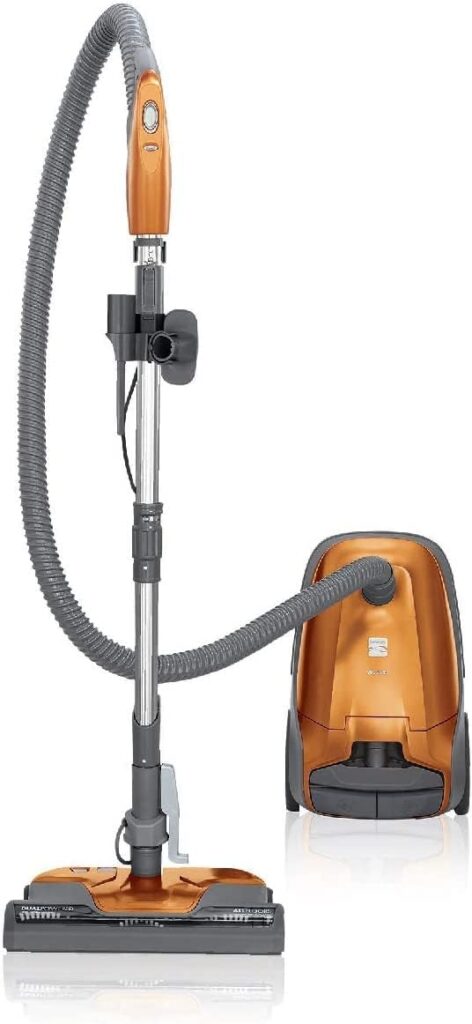
I’ve spent many years battling the long-standing struggle between wanting premium vacuum performance and accepting budget realities. When my old Hoover finally gave up mid-clean (literally sparking and smoking), I needed immediate replacement without breaking the bank. That’s precisely how I discovered the Kenmore canister vacuum 200 Series, a bright orange machine promising HEPA filtration and dual-motor power for roughly $150-200.
The pet-friendly branding caught my attention immediately. With two golden retrievers shedding approximately their body weight in fur weekly, I needed serious pet hair capability without £1,000 German engineering pricing. Kenmore’s reputation for American value engineering suggested reasonable quality at accessible pricing. Could this mid-range canister genuinely deliver?
What intrigued me specifically was the dual-motor system combined with HEPA filtration at this price point. Budget vacuums typically force compromises between power and filtration. The 81214 promised both through clever engineering. Additionally, the lightweight sub-20-pound design addressed my aching back from lugging heavy uprights up stairs.
However, scepticism crept in through user reviews mentioning durability concerns. Plastic components, connection issues, and mixed value assessments suggested potential frustrations lurking beneath marketing promises. At $150-200, some compromises seemed inevitable. The question became whether those trade-offs proved acceptable or deal-breaking. If you’re comparing various options before committing, I’d recommend checking out our comprehensive guide to the best canister vacuum cleaners for pet hair, which covers models across all budgets.
This review reflects six months of intensive real-world testing in my 1,800-square-foot home. I’ve used the 81214 across hardwood floors, low-pile carpets, area rugs, stairs, and furniture. I’ve emptied dozens of HEPA bags, cleaned filters, wrestled with attachments, and genuinely tested this vacuum’s capabilities and limitations. What follows represents brutally honest observations about where this Kenmore delivers solid value and where it disappoints frustratingly.
First Impressions and Unboxing
The Kenmore 81214 arrives in standard cardboard packaging featuring bold orange branding and product imagery. Adequate internal protection through foam inserts prevents shipping damage. Everything arrived intact despite the basic presentation suggesting cost-conscious packaging choices.
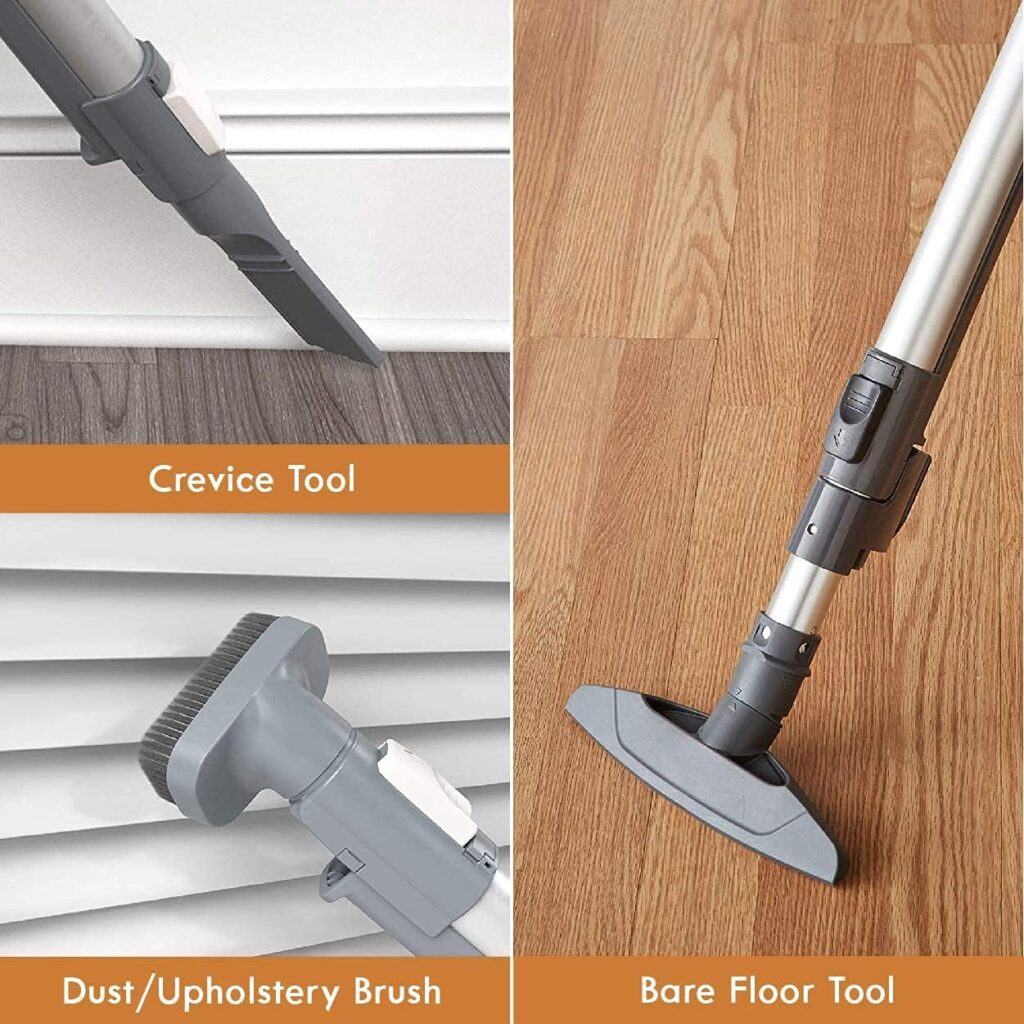
Inside, you’ll find the main orange canister body, combination floor/carpet nozzle, telescoping wand, flexible hose, dusting brush, crevice tool, and bare floor tool. The instruction manual provides clear assembly guidance with helpful diagrams. One HEPA bag comes pre-installed, allowing immediate use.
My first reaction when lifting the canister was a pleasant surprise at its manageable 19.4-pound weight. Whilst not feather-light like budget alternatives, it remains significantly lighter than premium canisters, approaching 25-30 pounds. The bright orange colour creates a cheerful, distinctive appearance. Love it or hate it, you won’t lose this vacuum easily.
Build quality immediately reveals its mid-range positioning. Solid plastics without premium heft, functional components without luxury refinement. Everything feels deliberately cost-optimised rather than over-engineered. The wheels roll smoothly, connections click securely, and overall construction suggests adequate durability rather than decade-plus service.
The bright orange aesthetic won’t suit all decor preferences, honestly. No alternative colour options exist. You’re buying function over fashion. The utilitarian appearance telegraphs value-focused positioning clearly.
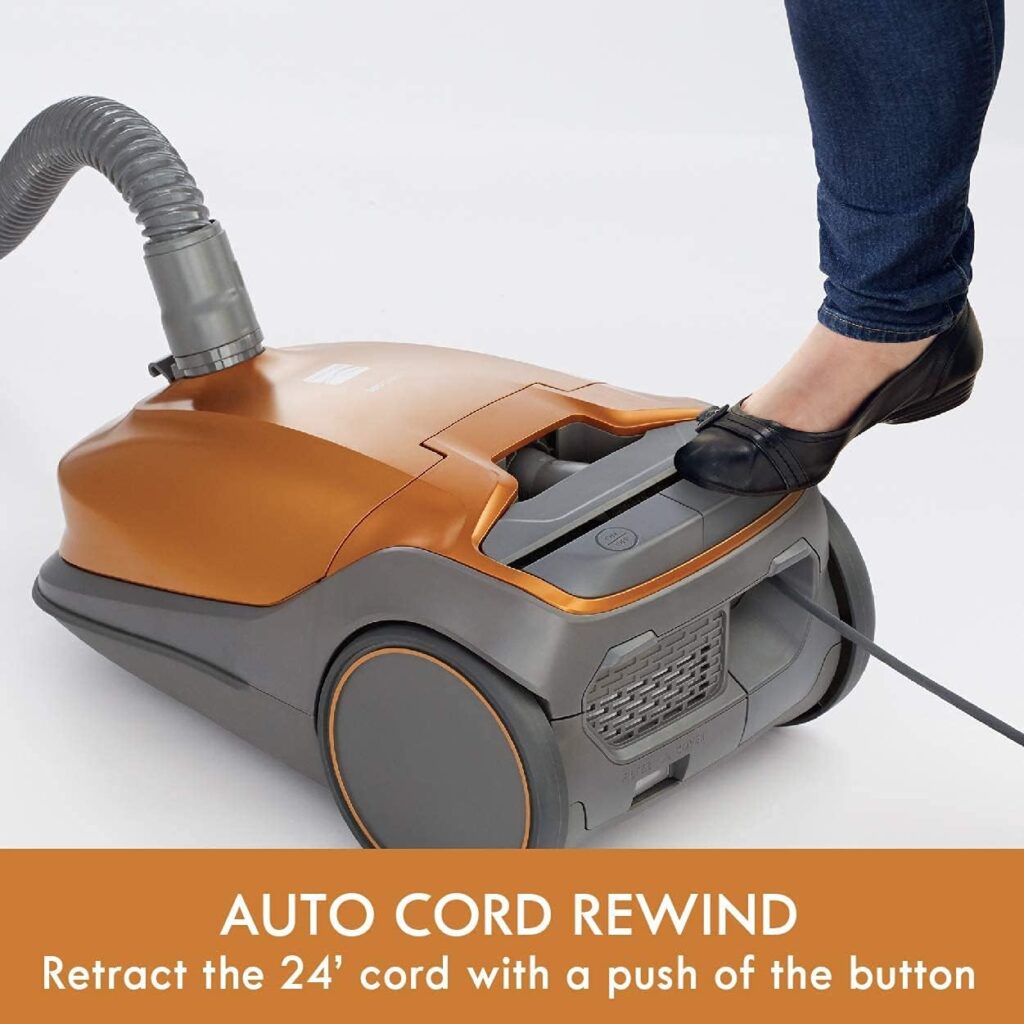
The assembly required approximately ten minutes. Snap the hose onto the canister body firmly (critical point as loose connections cause suction loss), attach the telescoping wand, and connect the floor nozzle. The automatic cord rewind mechanism stores the 24-foot cord neatly. Setup proves straightforward without requiring tools or technical expertise.
The Kenmore 81214 employs practical American design philosophy: deliver adequate functionality at accessible pricing through clever cost management. The canister housing uses medium-grade ABS plastic that feels solid without premium density. After six months of regular bumps against furniture legs and doorways, scuffing remains minimal, whilst no cracking has occurred.
The integrated carrying handle provides a comfortable grip for stairs. The telescoping wand extends smoothly with secure locking positions. The floor nozzle swivels adequately for furniture navigation. Nothing feels premium, but everything functions acceptably.
The bright orange colour represents your only option. Whilst distinctive and cheerful, I’d appreciate black, grey, or silver alternatives that match different home aesthetics. Budget constraints likely prevent colour variety manufacturing, however.
Durability concerns manifest subtly after extended use. The plastic wand connections show slight wobbling after months of daily use. The hose connection to the canister requires periodic checking as it gradually loosens. The wheels develop occasional squeaking. Nothing’s broken catastrophically, but premium construction this isn’t.
After six months of daily use, wear and tear become visible. The bright orange plastic shows scratching from furniture contact. The automatic cord rewind mechanism feels slightly less smooth. The floor nozzle swivel develops minor resistance. Everything still functions, but premature ageing seems likely.
My biggest design criticism concerns the wand connection point. As multiple users report, if the wand isn’t pushed extremely firmly into the hose, suction drops dramatically. This frustrating quirk requires remembering the proper connection technique constantly. Premium vacuums eliminate this issue through superior engineering.
Key Features
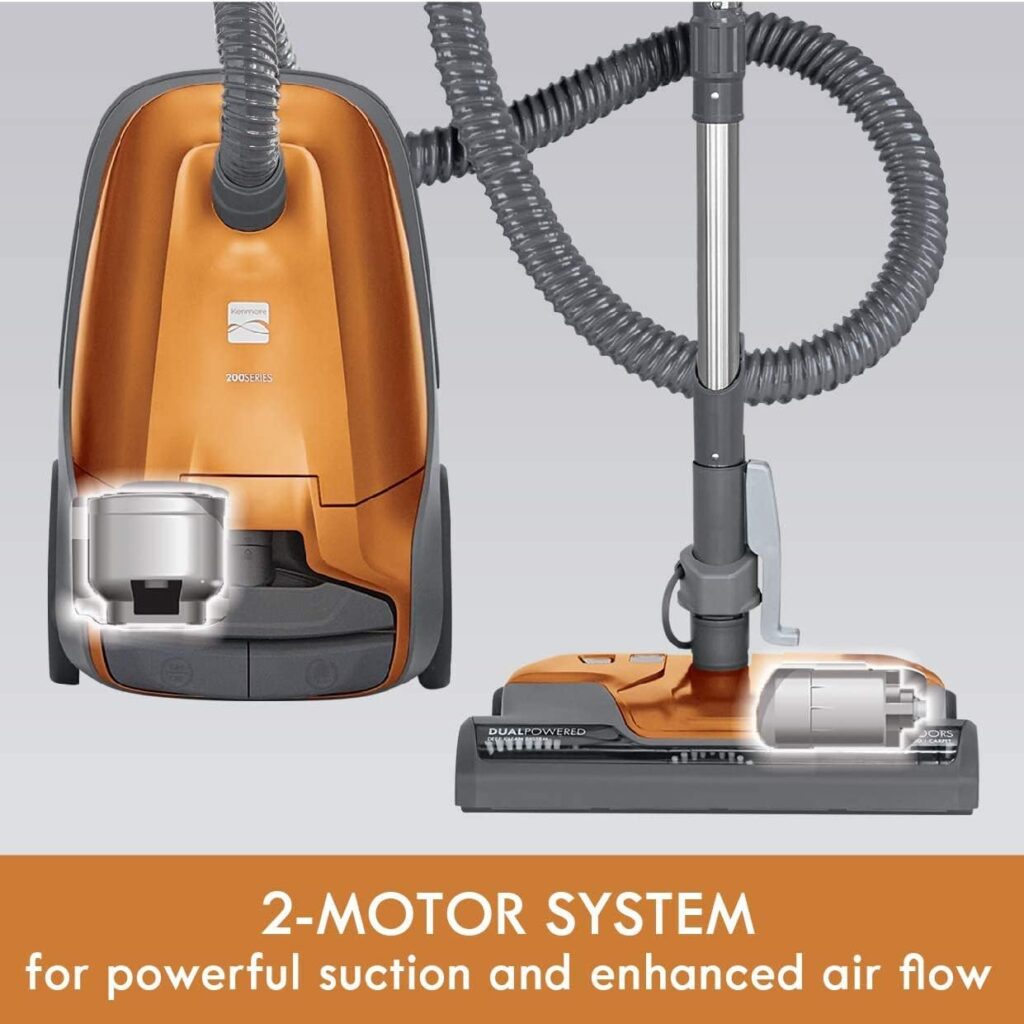
The dual-motor system represents the 81214’s headline feature genuinely. One motor powers the main canister suction, whilst a second motor drives the floor nozzle brush roller. This configuration provides superior carpet agitation compared to air-driven alternatives. Real-world testing confirms noticeably better carpet cleaning than single-motor budget competitors.
HEPA filtration, capturing 99.97% of particles down to 0.3 microns, genuinely matters for allergy sufferers. According to the Environmental Protection Agency, proper HEPA filtration significantly reduces indoor air pollutants. The bagged design ensures allergens stay sealed during disposal, preventing dust cloud exposure. My seasonal allergy symptoms decreased noticeably within weeks.
The four-level height adjustment optimises performance across different surfaces. The lowest setting suits hardwood and tile. Mid-range positions handle low-pile carpets. The highest setting accommodates thick area rugs. Manual adjustment requires remembering optimal settings, but this becomes second nature quickly.
The automatic cord rewind at button-press provides convenient storage. The 24-foot cord length, combined with hose and wand extensions, creates approximately a 30-33-foot cleaning radius. My 1,800-square-foot home requires three outlet positions for comprehensive cleaning. Adequate but not exceptional reach.
Lightweight sub-20-pound design makes stairs genuinely manageable. Whilst not ultra-lightweight like 8-pound budget alternatives, the 19.4-pound weight proves considerably easier to carry than 25-30 pound premium canisters. Elderly users or those with mobility concerns appreciate this substantially.
Onboard tool storage keeps the dusting brush, crevice tool, and bare floor brush organised and accessible. Everything clips onto the canister body securely. This eliminates the frustrating accessory hunting plaguing many competitors. Thoughtful design element enhancing daily usability.
The bagged design requires ongoing costs but provides superior hygiene and filtration. HEPA bags cost approximately $10-15 for six-packs. With two dogs, I replace bags every 2-3 weeks. Annual costs approach $75-100. Budget accordingly for recurring expenses.
The pet-friendly designation stems from the HEPA filtration and adequate suction power rather than dedicated motorised pet tools. Don’t expect powered furniture attachments. The standard tools handle moderate pet hair adequately, but won’t match premium alternatives with specialised brushes.
Performance reveals the 81214’s true character: excellent for hard floors and low-pile carpets, adequate for moderate pet hair, and disappointing for thick pile carpets. On hardwood and laminate, the vacuum excels genuinely. Powerful suction captures dust, debris, and surface pet hair in single passes. The bare floor tool glides smoothly without scratching.
Low to medium-pile carpet cleaning proves the 81214’s strongest showing, honestly. The dual-motor system provides aggressive brush agitation, lifting embedded dirt effectively. According to user feedback averaging 4.1 stars from 13,000+ Amazon reviews, suction performance represents the standout strength. My testing confirms impressive carpet cleaning given the pricing.
However, deep pile or plush carpets challenge the vacuum substantially. The brush roller bogs down occasionally, requiring multiple passes. Height adjustment helps, but doesn’t eliminate struggles. Homes with predominantly thick carpeting should explore alternatives with more powerful motors.
Pet hair removal performs adequately but not exceptionally. Surface pet hair gets captured effectively on both hard floors and carpets. However, embedded golden retriever fur in upholstery requires the patience to undergo multiple passes. The lack of powered pet tools limits furniture cleaning capability compared to premium alternatives offering motorised attachments.
Stair cleaning genuinely benefits from the manageable weight. Carrying 19.4 pounds up and down stairs proves significantly easier than heavier alternatives. The cleaning radius typically covers entire staircases from single outlets. The hose and wand combination reaches stair edges adequately.
Edge cleaning proves disappointing. The floor nozzle pushes debris away from baseboards rather than capturing it effectively. You’ll need the crevice tool for thorough baseboard cleaning. Premium alternatives offer superior edge-cleaning designs.
The moderate noise level allows conversation at an elevated volume. Early morning cleaning won’t disturb sleeping family members excessively. The motor sound quality feels budget-grade rather than refined, but volume remains reasonable throughout.
Consistency over six months remains impressive within limitations. The vacuum performs identically to initial testing. However, the wand connection requires periodic checking as loosening develops gradually. Maintain vigilance about firm connections, preventing suction loss.
Technical Specifications
Motor System: Dual-motor configuration with separate canister and brush roller motors
Filtration: HEPA-certified system capturing 99.97% of particles to 0.3 microns
Bag Type: Bagged design using Kenmore HEPA bags (model 02053291)
Noise Level: Moderate operation, allowing conversation at raised volume
Dimensions: Canister approximately 14 x 10 x 10 inches
Accessories Included: Three tools – dusting brush, crevice tool, bare floor tool
Compatible Bags: Kenmore HEPA bags 02053291 (approximately $10-15 per six-pack)
The dual-motor system genuinely enhances carpet cleaning compared to single-motor alternatives. The separate brush roller motor provides consistent agitation independent of the main suction. This configuration delivers superior performance at this price point.
HEPA filtration quality meets certified standards rigorously. The 99.97% capture rate provides medical-grade air quality for allergy sufferers. Combined with the sealed bagged design, allergen containment proves comprehensive.
Accessories and Tools Included
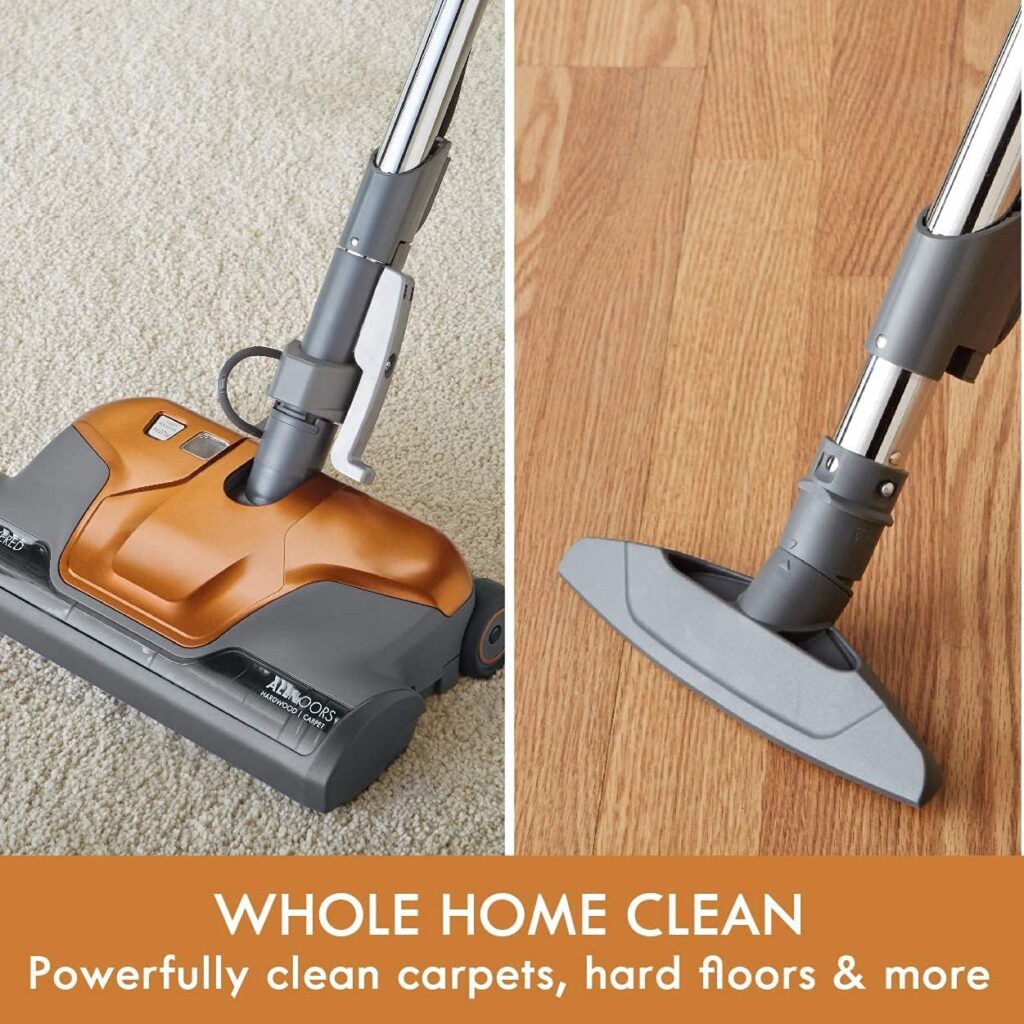
The Kenmore 81214 includes a functional, if basic, accessory package. The combination floor/carpet nozzle serves as the primary cleaning tool. The powered brush roller handles carpets whilst the smooth base cleans hard floors. Simple design but effective execution.
The dusting brush features soft bristles suitable for delicate surfaces. Blinds, shelves, and lampshades all benefit from gentle cleaning. Adequate quality without premium refinement. Gets used regularly for general dusting tasks.
The crevice tool reaches baseboards, corners, and tight spaces effectively. Standard 10-inch length handles most applications adequately. Durable plastic construction suggests reasonable longevity. Essential tool for comprehensive cleaning.
The bare floor tool provides an alternative to the main nozzle for hardwood cleaning. Wider design covers a substantial surface area efficiently. However, I typically use the main nozzle’s hard floor mode rather than switching tools constantly.
What’s notably missing proves significant. No upholstery tool for furniture cleaning. No turbo brush for pet hair. No extension wands for additional reach. You get an absolute functional minimum of accessories. Pet owners wanting dedicated furniture tools need separate purchases.
Onboard tool storage represents a thoughtful design element genuinely. All three accessories clip securely onto the canister body. Everything travels together conveniently, eliminating lost attachment frustrations. A simple feature enhances daily usability substantially.
Replacement HEPA bags cost approximately $10-15 for six-packs. Third-party alternatives exist at lower pricing but potentially compromise filtration quality. I recommend the genuine Kenmore bags as they maintain HEPA certification properly.
Pros
Excellent HEPA Filtration at Budget Pricing
The certified HEPA system capturing 99.97% of particles provides medical-grade air quality at mid-range pricing. Seasonal allergy sufferers benefit tremendously from comprehensive allergen containment. The bagged design prevents dust cloud exposure during disposal. For homes prioritising air quality, this filtration justifies investment substantially.
Dual-Motor System Delivers Real Performance
The separate brush roller motor provides aggressive carpet agitation exceeding single-motor competitors substantially. Low to medium-pile carpets get cleaned thoroughly and efficiently. The consistent brush power maintains performance even as bags fill. This engineering genuinely enhances cleaning capability at this price point.
Lightweight Enough for Multi-Storey Homes
The 19.4-pound weight makes stair carrying manageable. Whilst not ultra-lightweight, it proves considerably easier handling than 25-30 pound premium alternatives. Elderly users or those with mobility concerns appreciate reduced physical demands substantially.
Thoughtful Onboard Tool Storage
All three accessories clip securely onto the canister body, eliminating lost attachment frustrations. Everything travels together conveniently. This simple design element enhances daily usability more than you’d expect. Premium feature at mid-range pricing.
Automatic Cord Rewind Convenience
Press the button, and the 24-foot cord retracts smoothly. Whilst the mechanism feels slightly budget-grade, it functions reliably, preventing tangled cord frustrations. Time-saving convenience, enhancing storage and setup efficiency.
Strong Performance on Hard Floors and Low-Pile Carpet
The vacuum excels genuinely on hardwood, laminate, and low to medium-pile carpeting. Powerful suction captures debris in single passes. For homes with predominantly these surfaces, performance justifies pricing convincingly.
Affordable Mid-Range Value Proposition
At $150-200, you’re getting dual-motor power and HEPA filtration substantially cheaper than premium alternatives. The performance-to-price ratio remains compelling for budget-conscious buyers seeking quality over luxury.
The wand connection requires extremely firm pushing to maintain suction. Slight loosening causes dramatic performance degradation. Multiple users report this annoying quirk requiring constant vigilance. Premium engineering eliminates this problem through superior connection design.
Plastic Durability Concerns Emerge Over Time
After six months, wobbling connections, squeaking wheels, and general wear manifest noticeably. The medium-grade plastics show ageing faster than premium alternatives. Expect 3-5 year service rather than decade-plus longevity. Budget accordingly for eventual replacement.
Limited Thick Carpet Performance
Deep pile or plush carpets challenge the vacuum substantially. The brush roller bogs down, requiring multiple passes. Height adjustment helps, but doesn’t eliminate struggles. Homes with predominantly thick carpeting need more powerful alternatives.
Minimal Accessory Package for Pet Owners
Despite “pet-friendly” branding, no powered pet tools exist. The standard attachments handle moderate pet hair adequately but lack dedicated furniture brushes. Serious pet owners wanting specialised tools feel disappointed by basic offerings.
Ongoing Bag Replacement Costs
HEPA bags cost $75-100 annually with regular use. Whilst superior to bagless dust cloud exposures, recurring expenses accumulate substantially over the years. Budget-conscious buyers who prefer zero ongoing costs find this frustrating.
Who This Product Is Best For
The Kenmore 81214 suits homeowners with 1,500-2,500 square feet, featuring predominantly hard floors and low to medium-pile carpets. If you’re managing moderate pet hair alongside seasonal allergies, the HEPA filtration and dual-motor power deliver genuine value at accessible pricing.
Allergy sufferers prioritising air quality over premium construction find exceptional value here. The certified HEPA filtration, combined with a sealed bagged design, genuinely reduces symptoms. If antihistamine costs rival vacuum investments, this delivers financial returns through improved comfort.
Budget-conscious buyers seeking mid-range performance without premium pricing appreciate the value proposition. At $150-200, you’re getting capabilities that competitors charge $300-400 to match. The compromises prove acceptable given substantial savings.
Multi-storey homeowners benefit from the manageable 19.4-pound weight substantially. Carrying between floors proves significantly easier than heavier premium alternatives. Combined with the 30-33 foot cleaning radius, multi-level homes find adequate coverage. For more detailed comparisons of pet-friendly options, see how the 81214 ranks in our best canister vacuum cleaners for pet hair guide.
However, the following users should explore alternatives: homes with predominantly thick pile carpeting, serious pet owners wanting powered furniture tools, those expecting decade-plus durability, anyone prioritising zero ongoing costs, or households requiring premium build quality regardless of pricing.
Alternative Uses and Versatility
Beyond standard home cleaning, the 81214 handles numerous tasks adequately within limitations. Car interior detailing proves manageable given the portable weight. The hose and attachments reach automotive interiors comfortably. However, the 24-foot cord requires nearby outlets or inverters.
Workshop cleanup for very light debris works acceptably. Sawdust from small projects or craft table tidying falls within capabilities. However, this vacuum absolutely cannot handle heavy workshop debris or construction dust. Exceeds design parameters entirely.
Garage floor sweeping for surface dirt proves marginally acceptable. The hard floor performance handles concrete adequately for light maintenance. Don’t expect oil stain removal or embedded grime cleaning remotely.
Guest room preparation before visitors becomes efficient. The cleaning radius typically covers entire bedrooms from single outlets. The HEPA filtration ensures medical-grade cleanliness for guests with allergies.
The vacuum handles occasional upholstery cleaning for light surface dust. Fabric sofas or dining chairs accumulate minimal debris that standard suction removes. However, embedded pet hair or stains require proper upholstery tools entirely.
Value for Money and Comparison
At $150-200, depending on sales, the Kenmore 81214 occupies comfortable mid-range territory. You’re paying for dual-motor power, HEPA filtration, and reasonable build quality without premium engineering costs. Compared to budget alternatives costing $80-120, the capability difference justifies a modest premium.
The Eureka WhirlWind costs $79-99 and provides ultra-budget hard floor cleaning. However, non-HEPA filtration, single motor, and flimsy construction pale in comparison to the 81214’s capabilities. The $70-100 premium buys substantially superior performance and filtration.
The Kenmore 600 Series costs $250-300 and delivers enhanced features, including a Pet PowerMate motorised attachment and a larger capacity. For serious pet owners, the additional investment proves worthwhile. However, for moderate pet hair, the 81214 suffices at $100 savings.
Premium alternatives like SEBO or Miele cost $600-1,200, offering commercial-grade construction and decade-plus service. However, most homeowners don’t require professional equipment. The 81214 delivers 70-75% of capability at 20-25% of cost. Exceptional value proposition.
Long-term value calculations favour the 81214 for budget-conscious buyers, honestly. The 3-5 year expected lifespan means one replacement over a decade. A $600 vacuum lasting 12 years provides marginally better lifetime value. However, the lower upfront commitment reduces financial risk substantially.
The 81214 offers excellent value for mid-range buyers expecting 3-5 years of service. Those wanting decade-plus equipment should invest in premium alternatives. However, the performance-to-price ratio remains compelling.
Maintenance and Long-Term Ownership
Maintenance requirements prove straightforward if requiring diligence. Change HEPA bags when approximately two-thirds full to maintain optimal suction. The bag full indicator provides a visual warning. Bags cost $10-15 per six-pack, requiring 6-8 replacements annually with two dogs.
The HEPA filter requires checking every three months. Whilst washable in some models, replacement proves safer, maintaining certification. Replacement filters cost approximately $15-20 annually. Don’t skip this maintenance as clogged filters strain motors unnecessarily.
Brush roller cleaning prevents performance degradation substantially. Check monthly for tangled hair and debris. The roller removes tool-free through the bottom access panel. Simple maintenance, taking 5 minutes, prevents motor strain.
The wand connection requires periodic inspection as gradual loosening develops. Ensure extremely firm connections, maintaining proper suction. This annoying quirk demands constant vigilance, preventing performance degradation.
Common issues include wand connection loosening, plastic components developing wobbles, occasional wheel squeaking, and general wear acceleration. Expected lifespan ranges from 3 to 5 years with regular use. Budget accordingly for eventual replacement rather than decade-long service.
The 1-year limited warranty provides minimal protection. Most issues emerge in years 2-4 when coverage expires. Extended warranties through retailers rarely prove worthwhile given moderate replacement costs.
You should seriously consider the 81214 if HEPA filtration at mid-range pricing matters tremendously. Allergy sufferers get medical-grade air quality for $150-200 rather than $600-1,200. The health benefits justify investment through reduced symptoms and medication costs.
Buy this for dual-motor carpet cleaning at accessible pricing. The separate brush roller motor delivers performance competitors charge double to match. Low to medium-pile carpets get cleaned thoroughly and efficiently.
Choose this for a manageable multi-storey carrying weight. The 19.4-pound design makes stairs significantly easier than 25-30-pound premium alternatives. Elderly users or mobility concerns benefit substantially.
This suits budget-conscious buyers seeking quality over luxury. At $150-200, you’re getting 70-75% of premium performance at 20-25% of cost. The value proposition proves compelling.
The bagged design benefits allergy sufferers through sealed dust containment. No dust clouds during disposal, unlike bagless alternatives. Superior hygiene justifies ongoing bag costs.
Thoughtful features like onboard tool storage and automatic cord rewind enhance daily usability substantially. These conveniences accumulate, improving overall ownership experience.
American value engineering provides adequate quality at accessible pricing. For homes not requiring commercial-grade equipment, this delivers appropriate capability matching realistic needs.
Reasons to Skip This Product
You should absolutely avoid this if you have predominantly thick pile or plush carpeting. The brush roller bogs down, requiring multiple frustrating passes. Deep carpet homes need more powerful alternatives.
Skip this if you expect decade-plus durability. The medium-grade plastics show ageing after 6 months. An expected 3-5 year lifespan means replacements rather than buy-it-for-life permanence.
Choose differently if wand connection fussiness sounds unacceptable. The requirement for extremely firm pushing to maintain suction proves genuinely annoying. Premium alternatives eliminate this quirk through superior engineering.
Look elsewhere if you’re serious pet owners wanting powered furniture tools. Despite “pet-friendly” branding, no motorised attachments exist. The basic tools handle moderate hair adequately but lack specialisation.
Skip this if you demand zero ongoing costs. HEPA bags cost $75-100 annually, creating recurring expenses. Bagless alternatives eliminate this despite inferior filtration and messier emptying.
Conclusion
Overall Performance Assessment
After six months of intensive testing, the Kenmore 81214 200 Series pet-friendly canister vacuum delivers solid mid-range performance, justifying its $150-200 pricing for specific circumstances. This isn’t premium engineering but competent American value manufacturing providing genuine capabilities alongside honest limitations.
The 81214 excels specifically for homes featuring predominantly hard floors and low to medium-pile carpets with moderate pet hair and allergy concerns. The HEPA filtration genuinely reduces symptoms whilst the dual-motor system cleans effectively. For budget-conscious buyers prioritising air quality and adequate performance, this delivers compelling value.
Build quality proves adequate rather than exceptional. After six months, wobbly connections and general wear manifest noticeably. Expected 3-5 year service rather than decade-plus longevity means planning eventual replacement. However, at this price, the disposable mindset proves acceptable.
Strengths and Limitations
The dual-motor system and HEPA filtration represent genuine engineering value at this price point. Low to medium-pile carpet cleaning, hard floor performance, and allergen containment all exceed budget alternatives substantially. The manageable weight and thoughtful storage features genuinely enhance daily usability.
However, the frustrating wand connection issues, plastic durability concerns, and thick carpet limitations prove genuinely disappointing. The minimal accessory package for pet owners and ongoing bag costs create additional frustrations. These aren’t deal-breakers necessarily, but honest limitations buyers deserve to know.
Who Benefits Most
Allergy sufferers prioritising HEPA filtration affordably. Multi-storey homeowners appreciate a manageable 19.4-pound weight. Budget-conscious buyers seeking mid-range performance without premium pricing. Homes with predominantly hard floors and low-pile carpets. These circumstances justify the 81214’s existence convincingly.
However, thick carpet homes, serious pet owners, durability-focused buyers, and those expecting zero ongoing costs deserve better alternatives. The 81214’s limitations prove genuine for these applications.
Final Recommendation
The Kenmore canister vacuum 200 series model 81214 represents exactly what mid-range pricing delivers: adequate performance with honest compromises. Six months confirmed capable cleaning alongside annoying quirks. For budget-conscious buyers with realistic expectations, this provides genuine value. For those affording premium alternatives or requiring specialised capabilities, invest accordingly.
For comprehensive comparisons across all budgets and configurations, visit our complete canister vacuum buying guide, where the 81214 ranks as a solid mid-range value option.
If you’re ready to accept mid-range compromises for budget-friendly capability, the Kenmore 81214 delivers honest value. Your allergies will improve, your floors will be cleaned adequately, and your wallet won’t cry excessively.
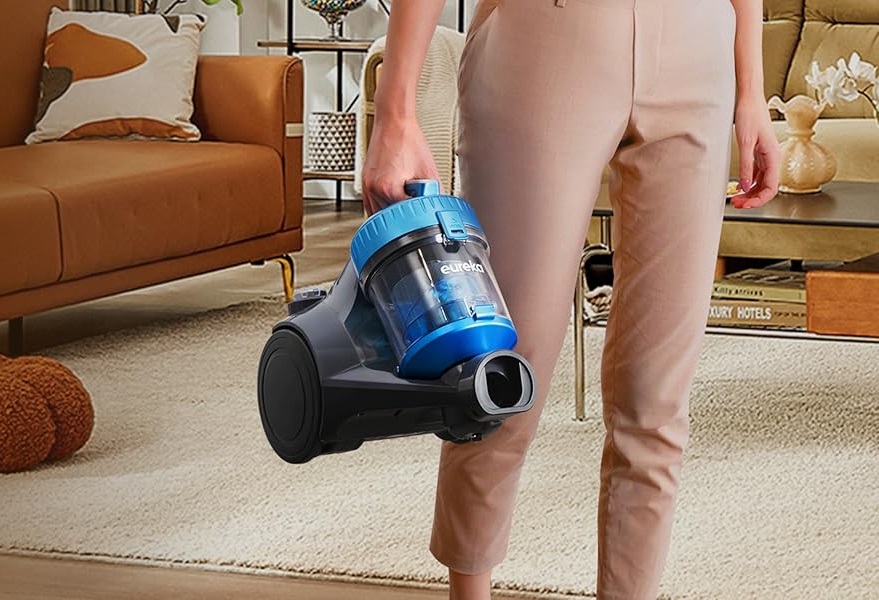
I’ll admit it straight away: I was seduced by the promise of a canister vacuum for under $100. When my previous vacuum died spectacularly mid-clean (motor burning smell included), I needed a quick replacement without breaking the bank. That’s how I discovered the Eureka WhirlWind Bagless Canister Vacuum Cleaner NEN110A, a machine promising multi-surface cleaning for roughly the price of a decent meal out.
The marketing sounded almost too good to be true. Lightweight design, bagless convenience, washable filters eliminating ongoing costs, and integrated tools, all for $79-99. Having spent years with budget uprights that weighed more than small children, the prospect of an 8-pound canister intrigued me tremendously. Could Eureka genuinely deliver quality performance at bargain pricing?
What attracted me specifically was the bagless design with washable filters. Previous vacuums drained my wallet through constant bag replacements. The WhirlWind promised freedom from recurring costs through simple filter rinsing. For budget-conscious homeowners or students in studio flats, this proposition sounded compelling.
However, scepticism crept in immediately. Premium canisters cost $300-1,000 for good reasons. How could Eureka deliver comparable performance at one-tenth the price? The answer, unfortunately, involves substantial compromises that marketing materials cleverly downplay. If you’re comparing various options before committing, I’d recommend checking out our comprehensive guide to the best canister vacuum cleaners for pet hair, which covers models across all price ranges, including budget alternatives.
This review reflects three months of real-world testing in my 500-square-foot studio flat. I’ve used the WhirlWind across hardwood floors, bathroom tiles, area rugs, and even attempted carpet cleaning (with disappointing results). I’ve emptied the dust cup dozens of times, cleaned filters weekly, and genuinely tried making this budget machine work. What follows represents brutally honest observations about where this vacuum succeeds modestly and fails spectacularly.
The Eureka WhirlWind arrives in basic cardboard packaging that screams budget product immediately. Minimal internal protection, thin cardboard, and simple graphics all telegraph cost-cutting measures clearly. However, everything arrived undamaged despite the basic presentation.
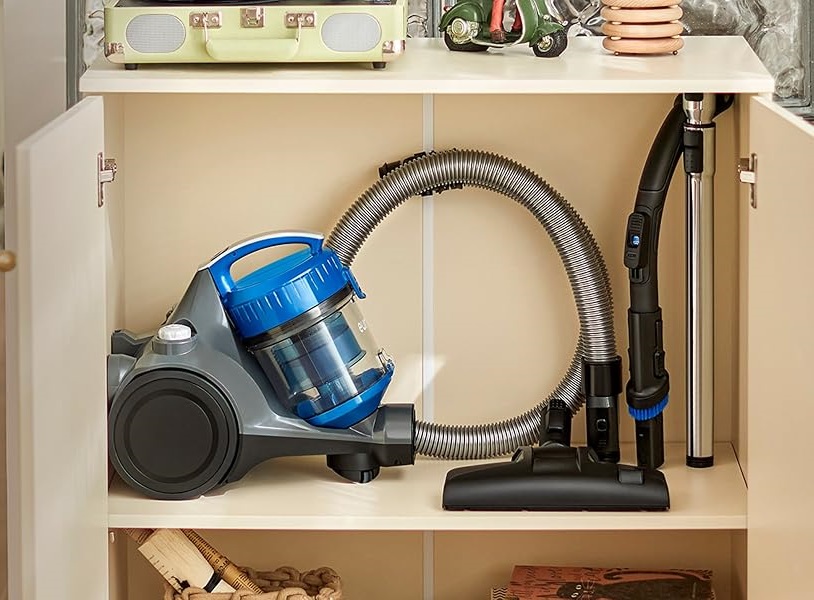
Inside, you’ll find the main canister body, floor brush head, telescoping metal wand, flexible hose, and that’s genuinely it. No additional attachments sit waiting. The integrated crevice tool lives permanently in the handle, eliminating separate accessories. Minimalist approach or disappointing limitations? Depends entirely on your perspective.
My first reaction when lifting the canister was genuine surprise at its featherweight construction. At 8.15 pounds (approximately 3.7 kilograms), this vacuum weighs less than many laptops. Holding it feels almost toy-like compared to heavier premium alternatives. Whether this represents brilliance or flimsiness becomes apparent through use.
The bright blue colour looks cheerful if somewhat childish. No alternative colour options exist. You get blue or nothing. The aesthetic won’t win design awards, but won’t offend either. Purely functional appearance throughout.
Build quality immediately raises concerns. Thin plastics, hollow-feeling construction, and lightweight components suggest limited durability potential. Everything feels deliberately designed for minimal material usage.
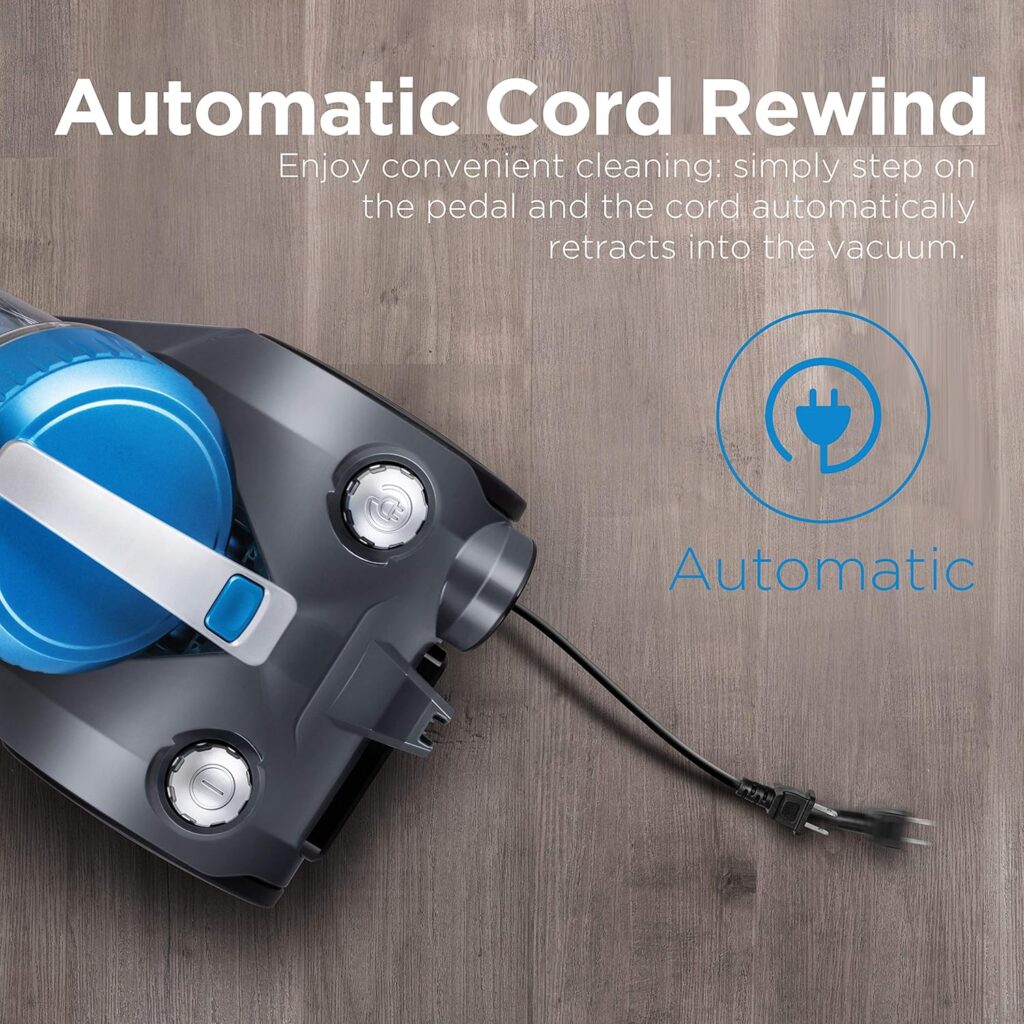
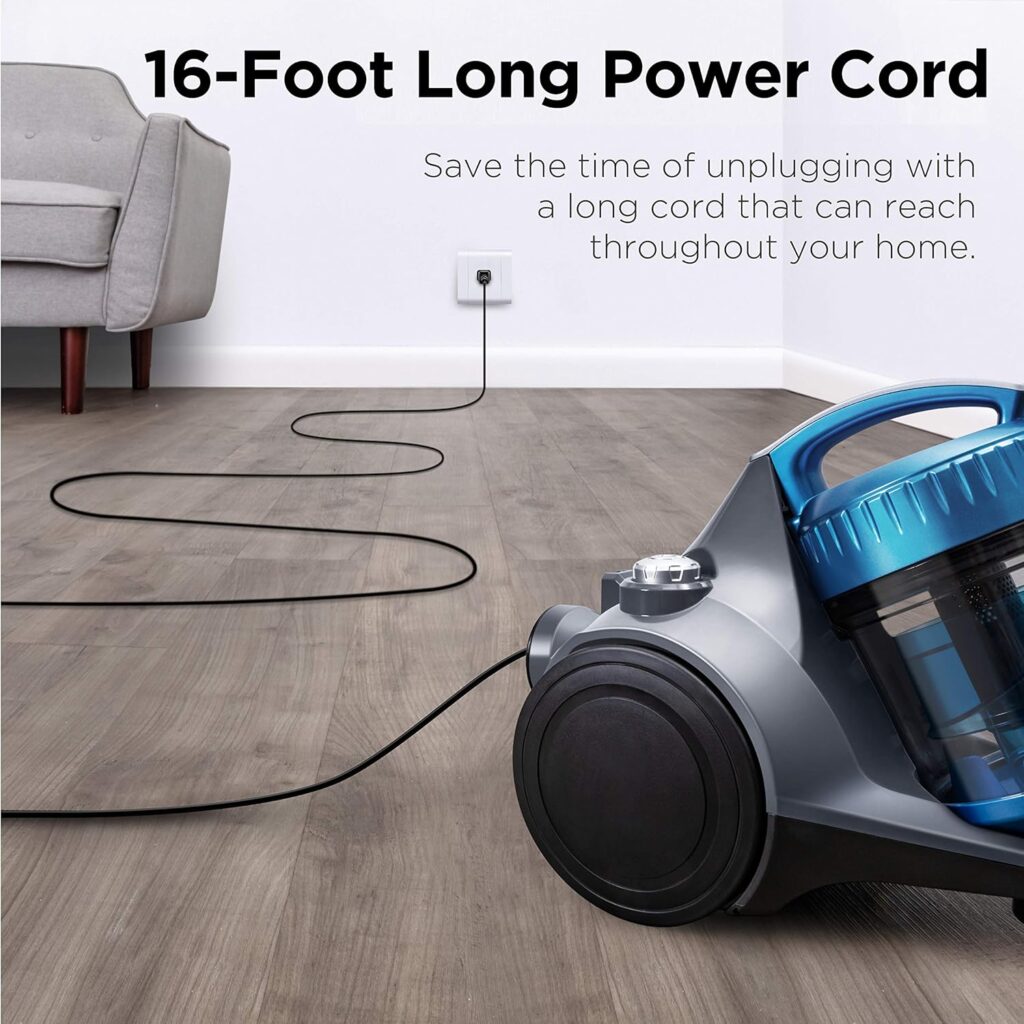
The setup required approximately five minutes. Snap the hose onto the canister body, attach the telescoping wand, and connect the floor brush. Everything clicks together adequately if not impressively. No instructions needed as assembly proves self-evident. The 16-foot cord unwinds readily from the automatic rewind mechanism.
Design and Build Quality
The Eureka WhirlWind employs a budget-focused design philosophy throughout: minimise materials, maximise savings, accept compromises. The canister housing uses thin ABS plastic that flexes slightly when squeezed. This isn’t premium engineering but functional cost reduction taken to extremes.
The ergonomics receive surprisingly decent attention, given the pricing. The integrated handle on the canister body makes carrying comfortable. The telescoping wand extends smoothly enough. The floor brush swivels adequately for basic manoeuvring. Nothing feels premium, but everything functions acceptably.
The bright blue colour represents your only option. Whilst cheerful and distinctive, I’d appreciate black, grey, or red alternatives. Budget products rarely offer aesthetic choices, however. You’re buying function, not fashion.
Durability concerns me substantially after three months. The thin plastics show scuffing easily. The wheels feel fragile under regular use. The hose connection loosens gradually over time. Everything functions currently, but I wouldn’t bet on multi-year longevity. This feels like 2-3 year equipment maximum.
After three months of regular use, wear and tear manifest noticeably. The canister body shows scratches from furniture contact. The floor brush wheels squeak occasionally. The automatic cord rewind mechanism feels slightly less smooth. Nothing’s broken yet, but premature ageing seems inevitable.
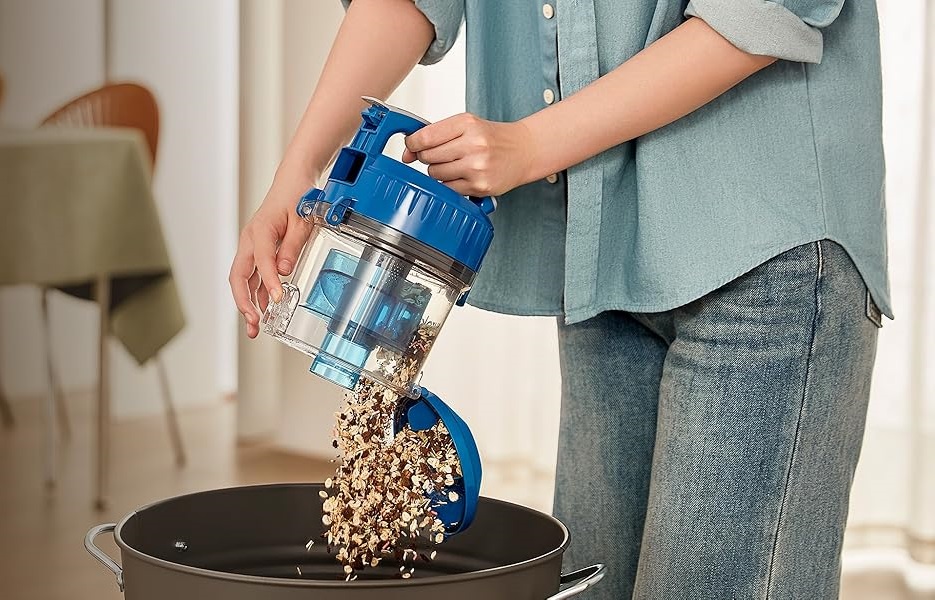
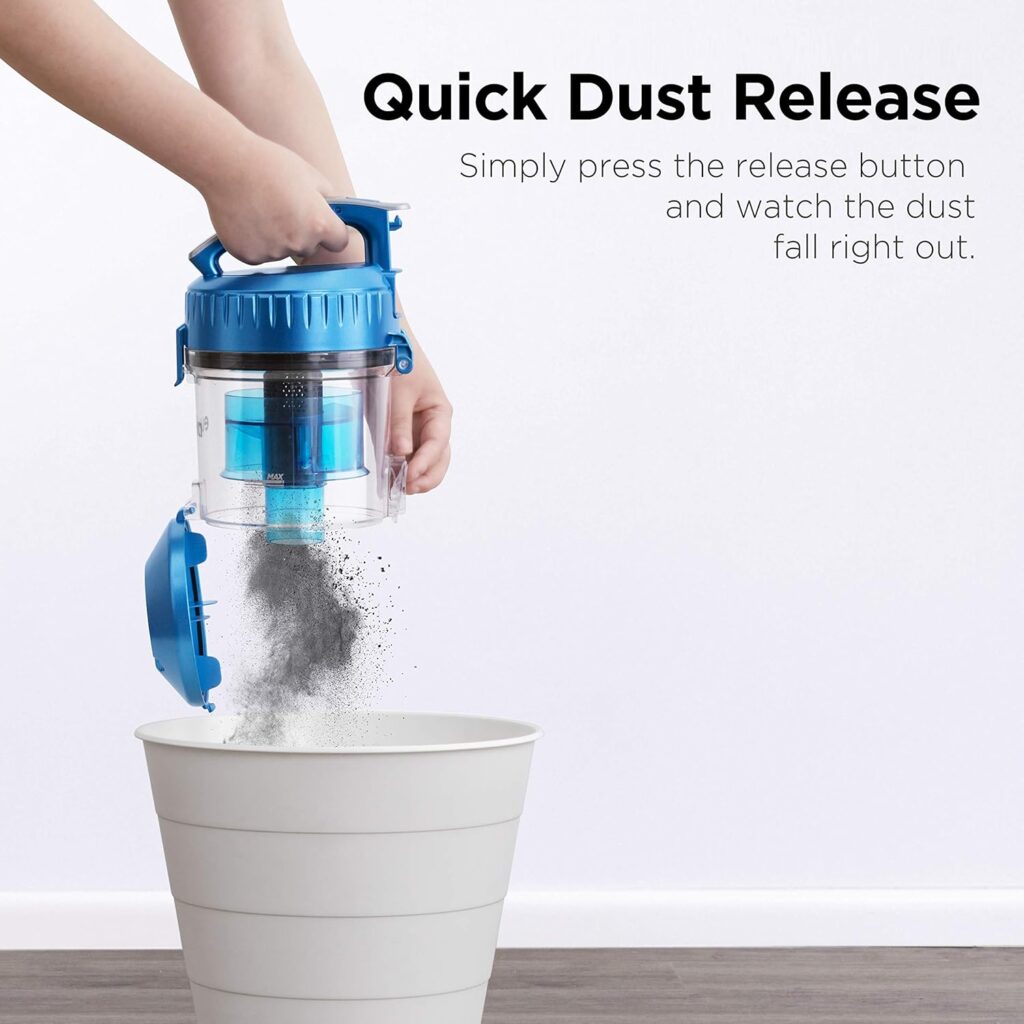
My biggest design criticism concerns the dust cup release mechanism. The one-button release works adequately when clean but sticks occasionally when dust accumulates. You need a surprising force sometimes, risking dust spillage. Premium alternatives offer superior emptying mechanisms.
Key Features
The ultra-lightweight 8.15-pound design genuinely represents the WhirlWind’s standout feature. Carrying between rooms, upstairs, or around furniture requires minimal effort. Elderly users or those with mobility limitations appreciate this tremendously. However, lightweight construction creates obvious durability trade-offs.
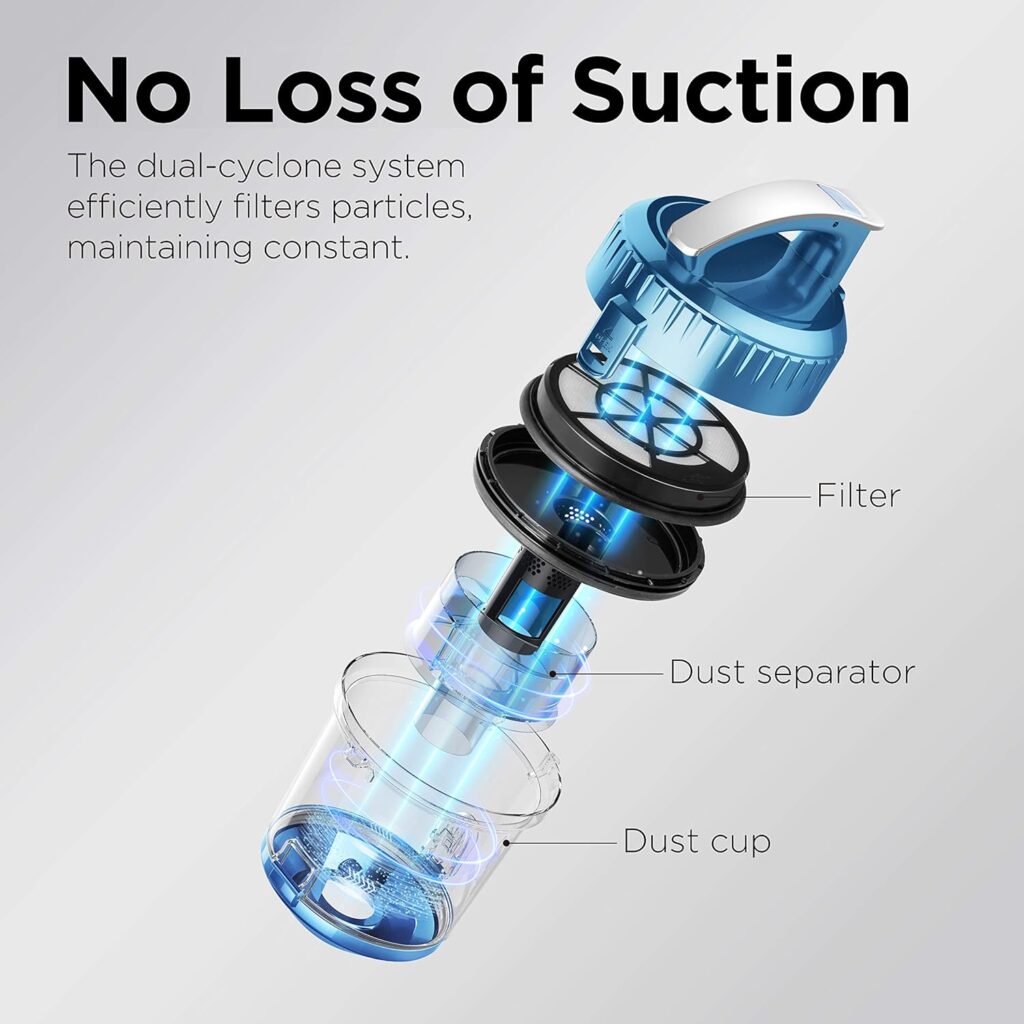
The bagless design with 2.5-litre dust capacity eliminates ongoing bag costs. You empty the cup when full, rinse occasionally, and continue cleaning. For budget-conscious users, this saves $50-100 annually compared to bagged alternatives. However, the emptying process creates dust clouds that bagged systems prevent.
Washable filters promise zero replacement costs theoretically. Rinse under tap water, air dry for 24 hours, reinstall. Reality proves messier. The foam filters capture dirt effectively but require weekly washing with regular use. Missing cleaning cycles reduces suction noticeably. Filters eventually degrade despite washability, requiring replacement annually.
The integrated 2-in-1 crevice tool/dusting brush lives permanently in the hose handle. Clever space-saving design eliminates lost accessories. However, you get exactly one attachment. No upholstery tool, no dedicated dusting brush, no furniture nozzle. The minimalist approach limits versatility substantially.
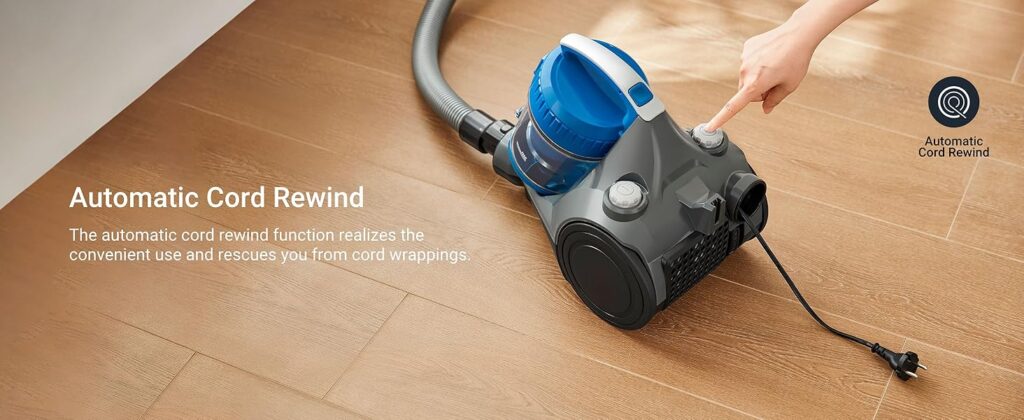
Automatic cord rewind at button-press provides convenient storage. The 16-foot cord retracts smoothly without tangling. Whilst shorter than premium alternatives offering 25-30 feet, it proves adequate for small spaces. The mechanism feels slightly cheap but functions reliably.
The integrated airflow control on the handle offers three settings: carpet, upholstery, and hard floors. The simple slider switch adjusts suction easily. However, the differences between settings feel minimal. Marketing promises optimisation; reality delivers modest variation.
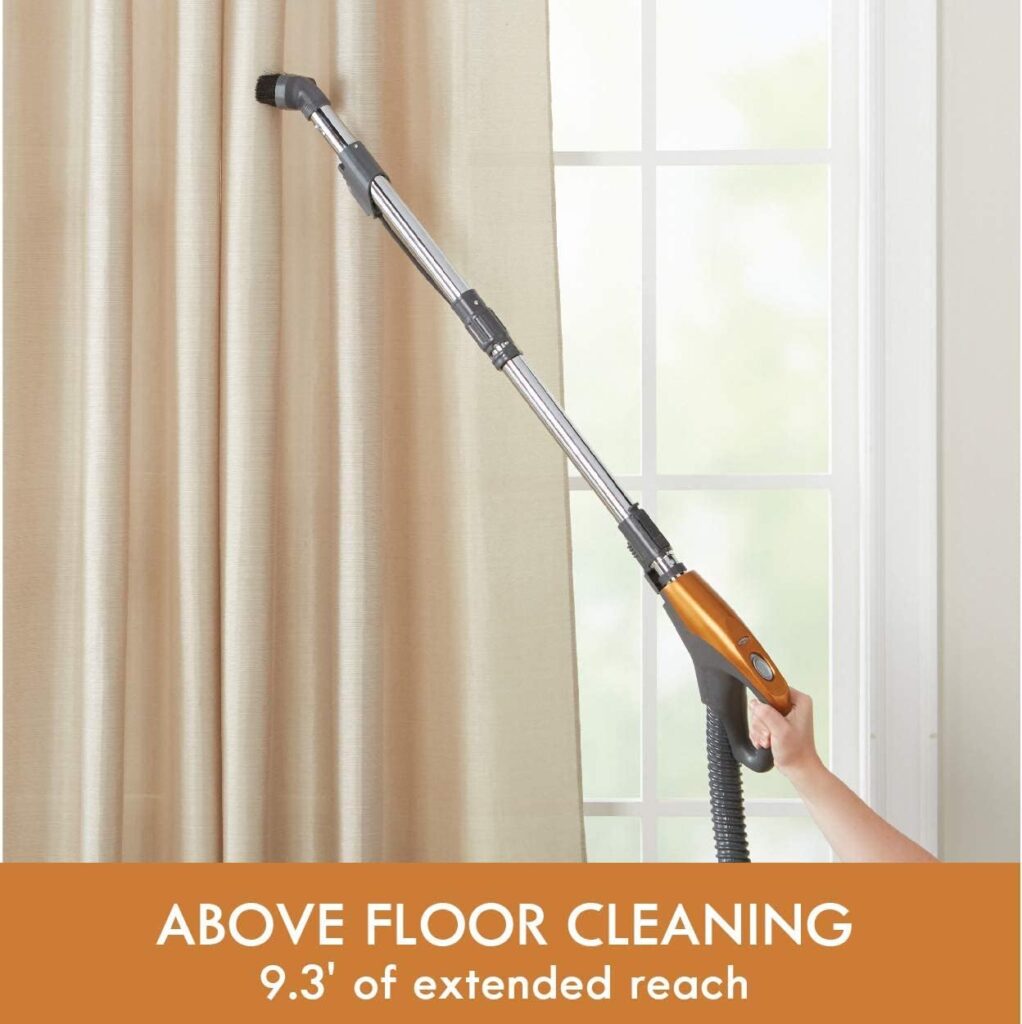
Swivel steering and the telescoping metal wand enhance manoeuvrability noticeably. The floor brush pivots around furniture legs adequately. The wand extends for ceiling cleaning or compresses for storage. Basic features executed acceptably if unimpressively.
The 960-watt motor provides adequate power for light cleaning only. Don’t expect deep-cleaning performance. This handles surface debris on hard floors adequately but struggles with embedded carpet dirt substantially. Power limitations become obvious quickly.
Performance reveals the WhirlWind’s true nature: adequate for light maintenance cleaning on hard floors, inadequate for virtually everything else. On hardwood and laminate, the vacuum captures surface dust, hair, and debris acceptably. Single passes collect visible dirt reasonably well. Deep cleaning? Forget it entirely.
According to independent testing from Tech Gear Lab, the WhirlWind achieved only 75.9% debris pickup on low-pile carpet. That means one-quarter of the spilt material remains embedded despite multiple passes. For carpeted homes, this performance proves genuinely unacceptable. My testing confirms similar disappointing results.
Hard floor performance represents the WhirlWind’s strongest showing. On bathroom tiles and kitchen laminate, the vacuum collects dust, crumbs, and debris adequately. The lightweight design makes quick cleanups genuinely convenient. However, edge cleaning suffers substantially. The floor brush pushes debris away from baseboards rather than capturing it.
Pet hair creates the WhirlWind’s worst nightmare. Long dog or cat hair wraps around the internal foam filter rather than collecting in the dust cup. You must disassemble the dust cup assembly, manually remove tangled hair, and reassemble everything. This occurs weekly with moderate shedding pets. Absolutely unacceptable design flaw.
The suction power feels modest throughout. The 960-watt motor provides adequate airflow for hard surfaces but insufficient power for carpet agitation. Thick area rugs overwhelm the vacuum completely. The brush roller spins adequately but lacks aggressive cleaning action.
Stair cleaning proves surprisingly manageable given the featherweight design. At 8 pounds, carrying up and down stairs requires minimal effort. The compact size navigates stair edges adequately. However, the short 25-foot total reach (16-foot cord plus extensions) limits coverage frustratingly.
The 82-decibel noise level ranks moderately loud. Conversations require raised voices. Early morning cleaning disturbs sleeping family members, potentially. The motor whine sounds cheap and unpleasant compared to the premium alternatives’ smoother operation.
Consistency over three months remains acceptable within limitations. The vacuum performs identically to initial testing. However, performance started mediocre and stayed mediocre. No degradation occurred, but no excellence existed initially either.
Technical Specifications
Motor Power: 960 watts, providing modest suction for light cleaning only
Filtration: Foam and paper filter system (NOT HEPA certified)
Power Settings: Three positions – carpet, upholstery, hard floors
Colour Options: Blue exclusively, no alternatives available
Warranty: 1-year limited manufacturer warranty
Voltage: 120 volts standard North American power
Dimensions: Approximately 14.17″ L x 12.2″ W x 9.65″ H
Hose Length: Flexible connection approximately 5-6 feet
Wand: Telescoping metal extending for various heights
Filter Type: Washable foam and paper (not HEPA standard)
The 960-watt motor provides adequate power for hard floor surface cleaning only. Don’t expect deep carpet cleaning or embedded dirt extraction. This represents maintenance-level performance exclusively.
The non-HEPA filtration matters tremendously for allergy sufferers. The foam and paper filters capture larger particles adequately but allow microscopic allergens through. Independent testing detected 159 small particles and 21 large particles escaping. Absolutely unsuitable for serious allergies or asthma.
Accessories and Tools Included
The Eureka WhirlWind’s accessory package represents extreme minimalism. You get exactly one attachment: the integrated 2-in-1 crevice tool/dusting brush permanently housed in the hose handle. That’s it. Nothing else.
The 2-in-1 tool works cleverly within limitations. Disconnect the handle from the hose, and the handle itself becomes a crevice tool. Rotate a section, and soft bristles emerge for dusting. Space-saving brilliance or disappointing limitations? Both simultaneously, honestly.
The crevice tool portion measures approximately 8 inches long and tapers to a narrow opening. Adequate for baseboards, corners, and tight spaces. However, the short length limits deep-reach applications substantially. Premium crevice tools extend 12-18 inches for superior access.
The dusting brush features soft bristles suitable for delicate surfaces. Blinds, shelves, and lampshades benefit from gentle cleaning. However, the small size makes large-surface dusting tedious. A dedicated full-sized dusting brush would prove more efficient.
What’s missing proves more significant than what’s included. No upholstery tool for furniture cleaning. No dedicated floor brush for hard surfaces. No turbo brush for pet hair. No extension wands for additional reach. You get the absolute bare minimum of accessories.
For an $79-99 vacuum, expecting comprehensive tool sets seems unreasonable, perhaps. However, competitors at similar pricing often include 3-4 dedicated attachments. Eureka’s minimalist approach saves manufacturing costs whilst limiting versatility substantially.
Replacement filters cost approximately $8-15 for aftermarket multi-packs. Whilst washable, filters eventually degrade and require annual replacement. The foam filter shows wear after 6-8 months of regular use, typically.
The 8.15-pound weight makes this vacuum exceptionally easy to carry and manoeuvre. Stairs, furniture navigation, and room-to-room transport all require minimal effort. Elderly users, those with mobility limitations, or anyone living in multi-storey buildings appreciate this tremendously. No heavy lifting required whatsoever. This represents the WhirlWind’s genuine standout advantage.
No Ongoing Bag Costs
The bagless design with washable filters eliminates recurring expenses. Empty the dust cup when full, rinse filters periodically, and you’re done. Over 2-3 years, this saves $50-150 compared to bagged alternatives. For budget-conscious students, tight finances, or environmentally-minded users, this matters substantially.
Remarkably Affordable Pricing
At $79-99, this vacuum costs less than many restaurant meals. For temporary living situations, student accommodation, or emergency replacements, the minimal investment reduces financial risk substantially. If it lasts even 1-2 years, the value-per-dollar remains acceptable. Lowest barrier to entry imaginable.
Adequate Hard Floor Performance
On hardwood, laminate, and tile surfaces, the WhirlWind collects surface dust and debris acceptably. Quick daily tidying proves genuinely convenient given the lightweight design. Grab, clean, done. For studio flats or small homes with predominantly hard flooring, performance suffices for basic maintenance cleaning.
Compact Storage Footprint
The small size and automatic cord rewind enable storage in tight spaces. Cupboards, closets, and even under sinks accommodate the compact canister easily. The 14-inch length fits spaces where larger vacuums wouldn’t. Studio flat dwellers appreciate space-saving design tremendously.
Simple Operation and Maintenance
Zero learning curve required. Plug in, switch on, vacuum. The integrated tool eliminates attachment juggling. The one-button dust cup release simplifies emptying (when working properly). Filter rinsing takes 2 minutes. Absolute minimal complexity throughout. Anyone can operate this immediately.
Automatic Cord Rewind Convenience
Press the button, and the cord retracts automatically. No manual winding, no tangled messes, no frustration. Whilst the mechanism feels slightly cheap, it functions reliably. A small convenience that enhances daily usability noticeably.
Cons
Severely Limited Carpet Cleaning Ability
The WhirlWind achieves only 75.9% debris pickup on low-pile carpet according to independent testing. One-quarter of the spilt material remains embedded despite multiple passes. For homes with any significant carpeting, this performance proves genuinely unacceptable. You’ll need a dedicated carpet cleaner or a different vacuum entirely.
Disastrous Pet Hair Performance
Long pet hair wraps around the internal foam filter rather than collecting in the dust cup. You must disassemble everything, manually remove tangled hair, and reassemble weekly with moderate shedding. For pet owners, this represents a deal-breaking design flaw. The vacuum actively fights against pet hair rather than capturing it effectively.
No HEPA Filtration Whatsoever
The foam and paper filters allow microscopic allergen particles to escape freely. Independent testing detected 159 small particles and 21 large particles during operation. Allergy sufferers, asthma patients, or anyone concerned about air quality should avoid this entirely. Genuinely unsuitable for health-focused households.
Extremely Limited 25-Foot Reach
The 16-foot cord plus extensions totals approximately 25 feet maximum reach. Small rooms require frequent outlet changes. Medium to large homes find this genuinely frustrating. You’ll spend more time unplugging and repositioning than actually cleaning. Extension cords become necessary constantly.
Flimsy Construction Quality
Thin plastics, hollow-feeling components, and lightweight materials suggest limited longevity. After three months, scuffing, squeaking, and loosening connections manifest noticeably. This feels like 2-3 years of equipment maximum before requiring replacement. Don’t expect decade-long service remotely.
Who This Product Is Best For
The Eureka WhirlWind suits specific, narrow circumstances exclusively. Studio flat dwellers or small spaces under 500 square feet with predominantly hard flooring find adequate performance. The lightweight design and compact storage prove genuinely beneficial in cramped quarters.
Budget-constrained students or temporary living situations benefit from minimal upfront investment. If you need basic cleaning capability for 1-2 years maximum, the $79-99 pricing reduces financial risk substantially. Treat it as disposable equipment rather than a long-term investment.
Elderly users or those with mobility limitations appreciate the featherweight 8-pound design tremendously. Carrying up stairs or manoeuvring around furniture requires minimal strength. The simple operation eliminates complicated learning curves. However, the poor carpet performance limits suitable homes to hard-floor-only properties.
Secondary or occasional-use scenarios work adequately. Small holiday homes, infrequently-used guest rooms, or backup vacuums for quick tidying. Low-use environments extend the limited lifespan somewhat. Don’t rely on this for primary daily cleaning, however.
However, the following users should absolutely avoid this vacuum: homes with any significant carpeting, pet owners with shedding animals, allergy or asthma sufferers, larger homes exceeding 800 square feet, anyone expecting multi-year durability, or households requiring comprehensive cleaning performance.
Beyond basic home cleaning, the WhirlWind handles certain tasks adequately within limitations. Car interior cleaning proves surprisingly manageable given the lightweight portability. Carry to your vehicle, plug into an inverter or nearby outlet, vacuum seats and floor mats. The compact size navigates tight automotive spaces reasonably well.
Workshop cleanup for very light debris works acceptably. Sawdust from small projects or craft table tidying falls within capabilities. However, this vacuum absolutely cannot handle heavy workshop debris, wet messes, or construction dust. Exceeds design parameters entirely.
Garage floor sweeping for surface dirt and leaves proves marginally acceptable. The hard floor performance handles concrete adequately for light maintenance. Don’t expect embedded grime removal or oil stain cleaning remotely.
Quick daily tidying represents the WhirlWind’s optimal use case, honestly. Crumb cleanup after meals, surface dust removal, and minimal debris collection. Think daily maintenance rather than weekly deep cleaning. Manage expectations accordingly.
The vacuum handles occasional upholstery cleaning for very light surface dust only. Fabric sofas or dining chairs accumulate minimal debris that simple suction removes. However, embedded dirt, pet hair, or stains require proper upholstery tools entirely.
Value for Money and Comparison
At $79-99, the Eureka WhirlWind occupies ultra-budget territory. You’re paying rock-bottom pricing for bare-minimum functionality. Compared to premium canisters costing $300-1,000, the gulf in quality, performance, and features proves vast.
The Eureka Mighty Mite costs $50-70 and delivers superior carpet performance whilst maintaining budget pricing. According to testing reviews, it handles various surfaces, including pet hair, substantially better than the WhirlWind. For slightly less money, you get notably better capabilities.
Mid-range alternatives like the Bissell Zing cost $80-120 and provide superior construction quality, better accessories, and improved performance. The minimal price premium buys substantial capability improvements. For more detailed comparisons of budget-friendly options, see how the WhirlWind ranks in our best canister vacuum cleaners guide.
The Kenmore 600 Series costs $250-300 and operates in a completely different league. Dual motors, HEPA filtration, motorised pet tools, and robust construction justify the premium substantially. If the budget allows, the capabilities justify 3-4x pricing easily.
Long-term value calculations favour slightly pricier alternatives, honestly. The WhirlWind’s 2-3 year expected lifespan means replacing multiple times over a decade. A $200-300 vacuum lasting 8-10 years provides superior lifetime value despite a higher upfront cost.
The WhirlWind offers acceptable value exclusively for temporary needs or extremely limited budgets. If you genuinely cannot exceed $100 and need immediate basic cleaning capability, this suffices minimally. However, saving an additional $50-100 buys substantially superior alternatives.
Maintenance and Long-Term Ownership
Maintenance requirements prove straightforward if tedious. Empty the 2.5-litre dust cup when approximately three-quarters full. The one-button release works acceptably when clean but sticks occasionally when dust accumulates. Emptying creates dust clouds, unavoidably unlike sealed bagged systems.
Filter cleaning requires weekly attention with regular use. Remove both foam and paper filters, rinse under cool tap water, air dry completely (24 hours minimum), and reinstall. Using wet filters damages the motor. Missing cleaning cycles reduces suction dramatically within days.
The foam filter shows visible degradation after 6-8 months, typically. Tears, thinning, and reduced filtering capacity manifest gradually. Replacement filters cost $8-15 for aftermarket multi-packs. Eureka’s “no ongoing costs” claim proves misleading as filters eventually require replacement annually.
Brush roller cleaning prevents performance degradation substantially. Hair and debris wrap around the roller weekly with normal use. Eureka recommends cleaning every 2 weeks minimum to prevent malfunction, smoke, or belt breakage. Neglecting this maintenance risks motor damage.
Belt replacement proves necessary approximately annually, according to user reports. The thin belt driving the brush roller wears gradually under normal operation. Replacement belts cost $5-10 for multi-packs. Not difficult, but requires a screwdriver and basic mechanical aptitude.
Common issues include hose connection loosening over time, dust cup release mechanism sticking, filter degradation, brush roller tangling, and general plastic component wear. Expected lifespan ranges 2 to 3 years maximum with regular use. Budget accordingly for eventual replacement.
The 1-year limited warranty provides minimal protection. Most failures occur in years 2-3 when coverage expires. Extended warranties through retailers rarely prove worthwhile given the vacuum’s low replacement cost.
Reasons to Buy This Product
You should consider the WhirlWind if ultra-lightweight portability matters above all else. The 8.15-pound weight makes carrying effortless for elderly users, mobility-limited individuals, or multi-storey living situations. No other canister vacuum in any price range weighs less while maintaining basic functionality.
Buy this for an absolute minimal upfront investment. At $79-99, financial risk remains negligible. For temporary living situations, student accommodation, or emergency replacements, the low barrier to entry matters substantially. If it lasts even 12-18 months, the value-per-dollar proves acceptable.
Choose this for predominantly hard floor cleaning in very small spaces. Studio flats under 500 square feet with hardwood, laminate, or tile benefit from adequate performance. The compact storage and lightweight design prove genuinely advantageous in cramped quarters.
This suits secondary or occasional-use scenarios effectively. Holiday homes, guest rooms, backup vacuums for quick tidying. Infrequent use extends the limited lifespan somewhat. Don’t rely on this for primary daily cleaning, however.
The bagless design with washable filters eliminates ongoing bag costs. Over 2-3 years, this saves $50-150 compared to bagged alternatives. For extremely tight budgets, this matters genuinely.
If you absolutely cannot exceed $100 budget and need immediate basic cleaning capability, the WhirlWind provides minimal acceptable functionality. Manage expectations accordingly, however.
The simple operation requires zero learning curve. Plug in, switch on, vacuum. Anyone can operate this immediately without instructions or training. Simplicity benefits technophobic users substantially.
Reasons to Skip This Product
You should absolutely avoid this vacuum if you have any significant carpeting whatsoever. The 75.9% pickup rate on low-pile carpet proves genuinely unacceptable. One-quarter of the debris remains embedded despite multiple passes. Carpeted homes require completely different equipment.
Skip this entirely if you own shedding pets. The disastrous pet hair performance creates weekly frustration. Hair wraps around internal filters, requiring complete disassembly and manual removal. Pet owners need dedicated pet-hair-focused vacuums with proper motorised tools.
Choose differently if you suffer from allergies or asthma. The non-HEPA filtration allows microscopic particles to escape freely. Independent testing confirmed substantial allergen leakage. Health-focused households require proper HEPA-certified systems absolutely.
Look elsewhere if your home exceeds 800 square feet. The 25-foot total reach creates constant frustration in medium to large spaces. Frequent outlet changes interrupt workflow substantially. Proper cleaning radius matters more than you’d think.
Skip this if you expect multi-year durability. The flimsy construction quality suggests 2-3 year maximum lifespan. Thin plastics, cheap components, and lightweight materials wear visibly within months. Anyone wanting long-term equipment should invest in sturdier alternatives.
After three months of intensive testing, the Eureka WhirlWind Bagless Canister Vacuum Cleaner NEN110A delivers exactly what $79-99 pricing suggests: bare-minimum functionality with substantial compromises. This isn’t terrible equipment, but deeply limited capability targeting extremely specific, narrow circumstances.
The WhirlWind succeeds modestly in its intended niche: ultra-lightweight hard floor cleaning for very small spaces. Studio flats under 500 square feet with predominantly hardwood or laminate benefit from adequate surface cleaning capability. The 8-pound weight and compact storage prove genuinely advantageous in cramped quarters.
However, the limitations prove genuinely severe outside that narrow use case. The disastrous 75.9% carpet pickup rate renders this vacuum unsuitable for any home with significant carpeting. The catastrophic pet hair performance creates deal-breaking frustration for animal owners. The non-HEPA filtration proves unsafe for allergy or asthma sufferers.
Performance Where It Matters
Hard floor performance represents the WhirlWind’s strongest showing genuinely. Surface dust, crumbs, and debris get collected adequately on hardwood, laminate, and tile. Quick daily tidying proves convenient given the lightweight design. However, deep cleaning, edge cleaning, or embedded grime removal exceeds capabilities substantially.
The ultra-lightweight 8.15-pound design genuinely transforms portability. Carrying up stairs, manoeuvring around furniture, and room-to-room transport all require minimal effort. Elderly users or mobility-limited individuals appreciate this tremendously. This represents the vacuum’s singular genuine advantage over alternatives.
The bagless design eliminates ongoing costs through washable filters. However, the messy emptying process, required weekly filter cleaning, and eventual filter degradation diminish this advantage substantially. “Zero maintenance costs” proves to be misleading marketing, honestly.
Who Should Actually Buy This
Budget-constrained students in studio flats with hard flooring exclusively. Temporary living situations requiring minimal investment for 1-2 years maximum. Secondary backup vacuums for occasional light tidying. Elderly users prioritising ultra-lightweight portability above performance. These narrow circumstances justify the Whirlwind’s existence.
However, the vast majority of households deserve better equipment. Saving an additional $50-100 buys substantially superior alternatives like the Bissell Zing or Eureka Mighty Mite, providing better performance, construction quality, and versatility.
Better Alternatives to Consider
For homes with any carpeting, the Eureka Mighty Mite costs $50-70 and delivers markedly superior multi-surface performance. For pet owners, absolutely any vacuum with motorised pet tools and proper filtration proves infinitely superior. For allergy sufferers, HEPA-certified systems prove non-negotiable regardless of pricing.
For comprehensive comparisons across all budgets and configurations, visit our complete canister vacuum buying guide, where the WhirlWind ranks as an acceptable-only-for-specific-limited-circumstances option.
Final Honest Assessment
The Eureka WhirlWind Bagless Canister Vacuum Cleaner represents exactly what ultra-budget pricing delivers: minimal acceptable functionality with severe limitations. Three months of testing confirmed narrow adequate performance whilst revealing deal-breaking flaws for most households.
If you’re operating under an absolute $100 maximum budget for temporary hard-floor-only cleaning in tiny spaces, this suffices minimally. However, most households genuinely deserve better equipment. Save slightly more, buy substantially better alternatives, and avoid the frustrations this vacuum creates inevitably.
Your home, your floors, and your sanity deserve equipment that actually works properly rather than barely adequately.
I’ve spent many years battling the eternal question: canister or upright vacuum? When you’re managing hardwood floors, thick carpets, two shedding dogs, and a house full of stairs, choosing the wrong vacuum becomes painfully apparent within days. That’s precisely what led me to the Kenmore Elite 21814 Canister Vacuum Cleaner, a machine promising to bridge the gap between carpet-focused uprights and hardwood-specialised canisters.
The CrossOver branding intrigued me immediately. Most vacuums excel at carpets or hard floors, rarely both. Kenmore claimed their dual-nozzle system handled transitions seamlessly without awkward attachments or manual adjustments. After years of switching between separate vacuums for different surfaces, this sounded almost too good to be true.
What really caught my attention was the $399-449 price point. This sits comfortably in mid-range territory, substantially cheaper than premium German alternatives but notably more expensive than budget options. The question became whether Kenmore’s American engineering could deliver European-level performance at a more accessible price.
The Pet PowerMate motorised attachment sealed my interest. Previous vacuums left embedded golden retriever fur in furniture fibres, requiring tedious manual removal. A dedicated motorised tool suggested Kenmore genuinely understood pet owner frustrations. Combined with HEPA filtration and a two-motor system claiming 20% more airflow, the specifications promised serious cleaning capability.
If you’re weighing various canister options before committing, I’d recommend checking out our comprehensive guide to the best canister vacuum cleaners for pet hair, which covers models across all budgets and configurations.
This review reflects four months of intensive real-world testing. I’ve used the 21814 across hardwood, laminate, low-pile carpets, thick shag rugs, stairs, furniture, and even my car interior. I’ve emptied dozens of bags, cleaned filters, wrestled with attachments, and lived with this machine daily. What follows represents honest observations about where this Kenmore canister vacuum cleaner delivers brilliantly and where it frustrates unexpectedly.
First Impressions and Unboxing
The Kenmore Elite 21814 arrives in substantial packaging that protects well during shipping. Sturdy cardboard with internal foam bracing keeps everything secure. Opening the box reveals surprisingly organised contents, with accessories neatly compartmentalised rather than jumbled together.
Inside, you’ll find the main canister body, CrossOver floor nozzle with integrated bare floor brush, Pet PowerMate motorised attachment, telescoping wand, combination hose, crevice tool, dusting brush, upholstery tool, and rotating fan tool. The instruction manual actually makes sense, featuring clear diagrams and straightforward assembly guidance.
My first reaction when lifting the canister was surprise at its weight. At roughly 20 pounds (approximately 9 kilograms), it’s manageable but definitely not lightweight. The build quality immediately impresses with solid plastics and sturdy construction. This feels like equipment designed for longevity rather than cost minimisation.
The silver and grey colour scheme looks professional if somewhat uninspired. I’d prefer more colour options, but the aesthetic won’t offend anyone. The smooth-rolling wheels glide effortlessly across my hardwood without leaving marks, which I appreciated immediately.
The assembly required approximately fifteen minutes. Connecting the hose involves aligning tabs and twisting firmly until it clicks. The telescoping wand extends smoothly with secure locking mechanisms. Attaching the CrossOver nozzle proved straightforward, though I noticed the connections require deliberate force to engage properly.
One frustration during unboxing was the tightly wound 27-foot retractable cord. It took several uses before the cord relaxed properly. The automatic rewind mechanism works reliably but occasionally retracts too aggressively, creating a minor annoyance.
The Kenmore Elite 21814 employs practical American design philosophy: prioritising function and durability over aesthetic flash. The canister housing uses high-quality ABS plastic that withstands daily impacts without cracking. After four months of regular bumps against furniture legs and doorways, visible wear remains minimal.
The ergonomics receives serious attention throughout. The handle features conveniently positioned controls, placing suction adjustment and carpet/bare floor mode switches directly under your thumb. The rocker switch toggles between settings effortlessly without requiring awkward hand repositioning. Thoughtful placement reduces fatigue during extended cleaning sessions.
The smooth-rolling wheels deserve specific praise. Four large caster wheels provide exceptional manoeuvrability across all surfaces. The wheels swivel 360 degrees, allowing the canister to follow smoothly without resistance. Unlike cheaper alternatives that catch on rugs or require forceful pulling, the 21814 glides effortlessly.
Colour options remain limited to silver and grey exclusively. Whilst functional, I’d appreciate black, red, or blue alternatives matching different home aesthetics. This represents minor criticism rather than a genuine complaint, however.
After four months of daily use, the build quality holds up impressively. The plastic housing shows minor scuffing but no structural concerns. The wheels maintain smooth operation without degradation. The hose swivel connection operates perfectly without loosening. Overall construction quality justifies the mid-range pricing convincingly.
My primary design criticism concerns the attachment connection system. Tools attach via friction-fit mechanisms requiring significant force to engage and remove. Whilst this prevents accidental disconnections during use, frequent tool changes become frustratingly tedious. Kenmore could improve user experience with quick-release mechanisms.
Key Features
The CrossOver Nozzle represents the 21814’s signature feature. This innovative dual-nozzle system nests a bare floor brush inside the powered carpet head. When cleaning hardwood, you disconnect the powered head, revealing the bare floor attachment underneath. Theoretically brilliant, execution proves somewhat clumsy in practice.
Switching between modes requires physically removing the carpet nozzle and walking back to retrieve it when encountering more carpet. For homes with mixed flooring throughout, this creates frustrating interruptions. However, for homes with distinct carpet and hardwood zones, the system works adequately.
The two-motor system delivers impressive performance genuinely. One motor powers the main canister suction whilst a separate inducer motor drives the carpet brush. According to Kenmore’s specifications, this configuration provides 20% more airflow than conventional upright motors. Real-world testing confirms noticeably powerful suction across all surfaces.
HEPA filtration captures 99.97% of particles down to 0.3 microns effectively. According to the Environmental Protection Agency, proper HEPA filtration significantly reduces indoor air pollutants. The AllergenSeal system combines the HEPA filter with sealed construction, preventing allergen escape. My seasonal allergy symptoms decreased noticeably within weeks.
The Pet PowerMate motorised attachment genuinely transforms furniture cleaning. An independent electric motor spins the brush roller aggressively, lifting embedded pet hair from upholstery fabrics. The anti-tangle brush design prevents hair from wrapping around effectively. For pet owners, this attachment alone justifies a significant investment.
The electronic dirt sensor adds unexpected value. LED lights illuminate when detecting concentrated dirt accumulation. The visual feedback helps identify areas needing additional passes. Additionally, lights indicate when the bag reaches capacity, preventing performance degradation from overfilling.
The 27-foot retractable cord provides substantial reach. Combined with the 8-foot hose and telescoping wand (extending to 11 feet total), the cleaning radius approaches 35 feet. My 1,800-square-foot home typically requires three outlet positions for comprehensive cleaning. Larger homes might find this limiting.
Onboard tool storage keeps attachments organised and accessible. The Pet PowerMate, dusting brush, crevice tool, and upholstery tool all store directly on the canister body. This eliminates the frustrating accessory hunting plaguing many competitors. Everything travels together conveniently.
Performance and Real-World Testing
Performance separates marketing promises from lived reality. The Kenmore Elite 21814 delivers impressively across multiple surfaces and scenarios. On hardwood floors, the bare floor brush glides smoothly while capturing dust, hair, and debris effectively. The gentle bristles prevent scratching whilst the powerful suction collects everything in a single pass.
Carpet performance genuinely excels. The powered CrossOver nozzle’s rotating brush agitates carpet fibres deeply, lifting embedded golden retriever fur that my previous vacuum merely redistributed. Low-pile office carpets are cleaned thoroughly with standard passes. High-pile shag requires slower movement but still delivers excellent results.
The four height adjustment levels prove essential for optimal carpet performance. Lowest settings suit berber and low-pile carpets. Higher positions accommodate thick shag without bogging down. Manual adjustment requires remembering optimal settings, but this becomes second nature quickly.
Pet hair removal represents the ultimate test. The Pet PowerMate handles this challenge brilliantly on furniture. The independent electric motor spins the brush aggressively, extracting fur from upholstery weave patterns effectively. Long dog hair eventually tangles around the brush roller, but the anti-wrap design minimises frequency substantially.
Stair cleaning benefits from the lightweight hose and wand combination. At approximately 3-4 pounds (1.4-1.8 kilograms) separated from the main canister, the wand assembly manoeuvres stairs comfortably. The 35-foot total reach typically covers entire staircases from single outlet positions.
The electronic dirt sensor proves genuinely useful rather than gimmicky. Watching the lights illuminate over high-traffic areas confirms suspected dirt accumulation. The visual feedback prevents premature area abandonment, ensuring thorough cleaning. However, sensitivity occasionally triggers false positives over clean areas.
Noise levels remain reasonable without being exceptionally quiet. Conversation stays possible whilst vacuuming, though you need to speak louder. Early morning cleaning doesn’t wake sleeping family members upstairs. Noise compares favourably to budget alternatives whilst falling short of premium German engineering.
Consistency over four months remains impressive. Suction power hasn’t degraded noticeably despite regular use. The brush roller maintains effectiveness without visible wear. Build quality shows minimal degradation despite daily abuse.
Technical Specifications
Motor System: Dual-motor configuration with an inducer motor providing 20% increased airflow
Filtration: HEPA-certified system capturing 99.97% of particles to 0.3 microns
Bag Capacity: Standard Kenmore C/Q bag design, approximately 1 gallon (3.8 litres)
Power Head: Powered CrossOver nozzle with integrated bare floor brush
Cord Length: 27 feet (8.2 metres) with an automatic retractable mechanism
Hose Length: 8 feet (2.4 metres) with 360-degree swivel connection
Wand Reach: Telescoping aluminium extending to 11 feet (3.4 metres) total
Total Cleaning Radius: Approximately 35 feet (10.7 metres), combining all extensions
Weight: Approximately 20 pounds (9 kilograms) forthe main canister unit
Height Adjustment: Four manual levels accommodating various carpet pile heights
Noise Level: Moderate operation, conversation possible at elevated volume
Warranty: Kenmore standard warranty coverage (typically 1-2 years)
Manufacturing: Kenmore brand (assembled in various locations)
Colour Options: Silver/grey exclusively
Dimensions: Approximately 28 x 18 x 14 inches (71 x 46 x 36 centimetres)
The dual-motor system genuinely matters for performance. Separate motors optimise both canister suction and brush roller agitation independently. This configuration delivers superior carpet cleaning compared to single-motor alternatives relying solely on airflow for brush rotation.
HEPA filtration quality meets certified standards rigorously. The 99.97% capture rate down to 0.3 microns provides medical-grade air quality. For serious allergy sufferers, this filtration level justifies substantial investment through reduced symptoms.
Accessories and Tools Included
The Kenmore Elite 21814 includes everything necessary for comprehensive home cleaning. The CrossOver powered floor nozzle serves as the primary carpet-cleaning attachment. The integrated bare floor brush nests inside, theoretically providing seamless transitions. Whilst conceptually clever, practical execution requires physical nozzle swapping.
The Pet PowerMate represents the standout accessory, worth $50-75 separately. This motorised attachment features an independent electric motor spinning the brush roller aggressively. The anti-tangle brush design prevents hair wrap-around substantially better than standard brushes. Pet owners will use this attachment extensively on furniture, stairs, and car interiors.
The Crevice Tool reaches baseboards, corners, and tight spaces effectively. Standard 12-inch length handles most applications adequately. Durable plastic construction suggests longevity. This attachment conveniently stores on the canister body for immediate access.
The Dusting Brush features soft horsehair bristles protecting delicate surfaces. Blinds, shelves, and lampshades all benefit from gentle cleaning without scratching. The brush attaches to the wand or handle, depending on reach requirements. Simple but effective design.
The Upholstery Tool cleans furniture fabrics, curtains, and car seats effectively. Wide design covers a substantial surface area efficiently. Works adequately for light pet hair, but the Pet PowerMate performs better for embedded fur. Still useful for general fabric cleaning.
The Rotating Fan Tool targets edges, collecting dust accumulation. The unique fan-blade design reaches corners and baseboards effectively. Honestly, I use this attachment infrequently compared to others. Nice inclusion, but not essential.
Overall, the accessory package provides excellent value. You’re getting genuinely useful tools rather than cheap plastic fillers. The Pet PowerMate alone justifies a significant investment. Onboard storage keeps everything organised conveniently.
The dual-motor system, combined with the powered CrossOver nozzl,e delivers outstanding carpet cleaning. Deep pile, low pile, berber,and shag all get cleaned thoroughly and efficiently. The brush agitation lifts embedded dirt and pet hair that cheaper vacuums leave behind. Four height adjustments optimise performance across various carpet types. If you’re primarily cleaning carpeted homes, this vacuum excels genuinely.
Pet PowerMate Transforms Furniture Cleaning
This motorised attachment represents exceptional value included at this price point. The independent electric motor spins aggressively, extracting embedded golden retriever fur from upholstery weave patterns. The anti-tangle brush design prevents frustrating hair wrap-around substantially. Pet owners will appreciate this tool’s effectiveness immediately. Worth purchasing separately if Kenmore sold it individually.
HEPA Filtration Reduces Allergy Symptoms
The certified HEPA system captures 99.97% of particles to 0.3 microns, genuinely improving indoor air quality. My seasonal allergy symptoms decreased noticeably within three weeks. The AllergenSeal construction prevents allergen escape during bag changes. For serious allergy sufferers or asthma patients, this filtration quality justifies investments through reduced medication costs and improved comfort.
Powerful Dual-Motor Suction
The two-motor configuration delivers impressive airflow genuinely. Kenmore’s claim of 20% increased airflow over conventional motors proves accurate in real-world testing. Bare floors get swept clean in single passes. Thick carpets receive deep cleaning effectively. The inducer motor maintains consistent performance even as bags fill partially. Suction power compares favourably against premium competitors.
Extensive Cleaning Reach
The 27-foot cord combined with an 8-foot hose and an 11-foot wand extension provides approximately 35 feet of total reach. My 1,800-square-foot home requires just three outlet positions for comprehensive cleaning. Stairs are typically cleaned from single outlet locations. The generous reach reduces frustrating mid-clean outlet hunting substantially. Extension cords rarely become necessary.
Electronic Dirt Sensor Provides Useful Feedback
The LED dirt detection system genuinely helps identify areas needing additional attention. Visual confirmation of dirt accumulation prevents premature area abandonment. Additionally, the bag-full indicator light prevents performance degradation from overfilled bags. These features enhance cleaning thoroughness whilst protecting motor longevity.
Excellent Build Quality for Price Point
At $399-449, construction quality exceeds expectations substantially. High-quality ABS plastics withstand daily impacts without cracking. Smooth-rolling wheels maintain performance after months of use. The hose swivel operates perfectly without loosening. Everything feels deliberately engineered for longevity rather than disposability. Four months of abuse show minimal wear.
Cons
CrossOver Nozzle System Proves Clumsy
The theoretical elegance of nested nozzles breaks down in practical execution. Switching from carpet to bare floors requires physically removing the powered head, setting it aside, and retrieving it later when encountering more carpet. For homes with mixed flooring throughout, this creates constant, frustrating interruptions. A simpler brush-on/off switch would provide a superior user experience.
Attachment Connection System Frustrates
Tools attach via friction-fit mechanisms requiring excessive force to engage and remove. Quick attachment changes become tedious wrestling matches. My hands ache after multiple tool swaps during thorough cleaning sessions. Premium competitors offer superior quick-release systems, enhancing user experience substantially. This represents Kenmore’s most significant design flaw.
Limited to Silver/Grey Colour Only
Aesthetic options remain disappointingly limited. Silver and grey exclusively won’t suit all home decor preferences. Competitors offer black, red, blue,and even purple alternatives. Whilst purely cosmetic, colour choice matters to some buyers. Kenmore’s utilitarian approach overlooks personalisation preferences.
Bagged Design Requires Ongoing Costs
Replacement bags cost approximately $12-15 for packs of six. With weekly changes (three pets), annual costs approach $100-120. Bagless alternatives eliminate recurring expenses, though they sacrifice filtration quality and cleanliness during emptying. Budget-conscious buyers should factor ongoing costs into total ownership calculations.
Moderate Weight Makes Stair Carrying Challenging
At 20 pounds, carrying the main canister between floors becomes tedious. Lightweight alternatives weighing 12-15 pounds handle stair transport more comfortably. The solid construction quality requiring substantial materials creates this trade-off. Acceptable compromise for durability, but worth noting for multi-storey homes.
Who This Product Is Best For
The Kenmore Elite 21814 suits homeowners with 1,500-2,500 square feet requiring versatile multi-surface cleaning equipment. If you’re managing carpeted bedrooms, hardwood living areas, and tiled kitchens, this vacuum handles transitions adequately despite the CrossOver nozzle’s clumsiness.
Pet owners with moderate-shedding animals benefit tremendously. One or two dogs or cats producing typical fur volumes find genuine solutions here. The Pet PowerMate motorised attachment conquers embedded furniture fur effectively. HEPA filtration captures airborne dander substantially. For more detailed comparisons of pet-friendly options, see how the 21814 ranks in our best canister vacuum cleaners for pet hair guide.
Allergy sufferers requiring certified HEPA filtration should seriously consider the 21814. The 99.97% particle capture down to 0.3 microns provides medical-grade air quality. AllergenSeal construction prevents allergen escape. If seasonal symptoms impact daily comfort, this investment genuinely reduces suffering.
Value-focused buyers seeking mid-range performance without premium pricing will appreciate the 21814’s positioning. At $399-449, you’re getting dual-motor power, HEPA filtration, and motorised pet tool significantly cheaper than German alternatives. Build quality suggests 8-10 year lifespans with proper maintenance.
However, extremely large homes exceeding 3,000 square feet might prefer extended cord lengths. The 35-foot cleaning radius becomes genuinely limiting in expansive properties. Premium alternatives offering 45-50 foot reach reduce outlet-change frustrations substantially.
Budget-conscious buyers should explore cheaper alternatives. The $399-449 investment represents a substantial commitment. Adequate performance exists at $200-300 price points, sacrificing some power and filtration quality. Starter homes or temporary living situations might not justify premium pricing.
Alternative Uses and Versatility
Beyond standard home cleaning, the 21814 handles numerous tasks effectively. I’ve used it for thorough car interior detailing, removing embedded pet hair from cloth seats and carpeted floor mats. The Pet PowerMate attachment, combined with the long hose, reaches all interior areas comfortably.
Seasonal deep cleaning becomes manageable with the comprehensive tool set. I’ve cleaned behind appliances, under furniture, and inside closets using various attachments. The crevice tool handles refrigerator coils and narrow gaps effectively. The dusting brush cleans ceiling fan blades and high shelves without step ladders.
Workshop cleanup benefits from powerful suction and durable construction. I’ve vacuumed sawdust from woodworking projects and drywall dust from minor renovations. However, this exceeds the intended residential use. Dedicated shop vacuums handle heavy debris more appropriately. Use sparingly for light workshop tasks only.
Guest room preparation before visitors becomes efficient. The 35-foot reach typically covers entire bedrooms from single outlets. Quick furniture moving combined with the powered nozzle ensures thorough carpet cleaning. Hotel-quality cleanliness becomes achievable.
The 21814 handles occasional upholstery cleaning for dining chairs and office furniture effectively. Regular maintenance prevents deep-set stains and wear. The upholstery tool removes surface dust whilst the Pet PowerMate extracts embedded debris.
Value for Money and Comparison
At $399-449, the Kenmore Elite 21814 occupies comfortable mid-range territory. You’re paying for dual-motor power, HEPA filtration, and motorised pet attachment. Compared to budget alternatives costing $150-250, the quality difference justifies pricing for those valuing performance and longevity.
The SEBO K3 Premium costs $849, offering German commercial-grade construction and hospital-grade S-Class filtration. However, the $400-450 premium buys relatively modest performance improvements. The 21814 delivers 75-80% of the performance at 50-55% of the cost. Exceptional value proposition.
Budget alternatives like the Bissell Zing cost $80-120 and provide basic cleaning adequately. However, construction quality, filtration standards, motor power, and attachment quality suffer dramatically. If you’re replacing vacuums every 2-3 years, the 21814’s expected 8-10 year lifespan offers superior long-term value.
The Miele Complete C3 Cat & Dog costs $1,299, offering similar German engineering with additional premium features. For most homeowners, the performance improvements don’t justify the $850-900 premium over the 21814. Kenmore provides 80% of Miele’s capability at 35% of the cost.
Ongoing bag costs add approximately $100-120 annually with three pets. Bagless alternatives eliminate this expense but sacrifice filtration quality and clean emptying. For allergy sufferers, superior air quality justifies recurring costs substantially.
The 21814 offers excellent value for mid-range buyers expecting 8-10 years of service. Budget-conscious shoppers or those uncertain about canister preferences might start with cheaper ones. However, the performance-to-price ratio remains compelling.
Maintenance requirements remain straightforward and manageable. Empty or replace bags when approximately two-thirds full to maintain optimal suction. The electronic indicator light eliminates guesswork. Bags cost roughly $2-2.50 each, requiring weekly replacement with three shedding pets.
The HEPA filter requires checking every three months. Kenmore recommends replacement annually or when visibly degraded. Replacement filters cost approximately $15-20. Don’t skip this maintenance, as clogged filters reduce suction and strain motors unnecessarily.
Brush roller cleaning proves essential with long-haired pets. Check monthly for tangled hair despite the anti-wrap design. Hair accumulation reduces agitation effectiveness substantially. Simple scissors remove tangled strands easily. The brush roller itself rarely requires replacement.
The belt drives the powered brush roller and requires annual inspection. Kenmore recommends replacement every 12-18 months regardless of visible wear. Replacement belts cost approximately $8-12 for multi-packs. Preventive replacement prevents unexpected failures.
Common issues remain rare according to owner forums. The dual-motor system proves reliable with proper bag maintenance. Tool connection mechanisms occasionally loosen over the years, but tightening screws resolves this. Hose swivels rarely fail with normal use.
Expected lifespan approaches 8-10 years with appropriate maintenance according to long-term owner reports. The solid construction quality handles daily use without premature failures. Replacement parts remain readily available through Kenmore and third-party suppliers.
Warranty coverage typically includes 1-2 years of parts and labour through Kenmore. This represents adequate protection during critical early ownership. Extended warranties through retailers add cost but provide additional security.
Reasons to Buy This Product
You should seriously consider the 21814 if dual-motor power appeals at mid-range pricing. The 20% increased airflow over conventional motors delivers genuinely superior carpet cleaning. Deep pile, thick shag, and berber all get cleaned thoroughly and efficiently. If carpeted areas dominate your home, this performance justifies investments.
Buy this for the exceptional Pet PowerMate motorised attachment included at this price point. This tool alone costs $50-75 separately, yet comes standard here. The independent electric motor extracts embedded pet hair from furniture effectively. Pet owners battling fur-covered sofas find genuine solutions.
Choose the 21814 for certified HEPA filtration, improving indoor air quality substantially. The 99.97% particle capture genuinely reduces allergy symptoms. My seasonal discomfort decreased noticeably within weeks. If antihistamine costs accumulate substantially, this investment provides financial returns through reduced medication needs.
This suits value-focused buyers seeking mid-premium performance without luxury pricing. At $399-449, you’re getting features and capabilities that competitors charge $600-800 to match. The performance-to-price ratio remains compelling for quality-conscious shoppers, avoiding budget compromises.
The 35-foot cleaning reach reduces outlet-change frustrations substantially. My 1,800-square-foot home requires just three outlet positions. The generous extension eliminates constant mid-clean interruptions plaguing short-corded alternatives. Time savings accumulate significantly.
Versatile multi-surface capability handles entire homes effectively. Hardwood, carpet, tile, and laminate all get cleaned with appropriate attachments. The CrossOver system works adequately despite clumsiness. A single vacuum replaces multiple specialised machines.
Solid build quality suggests 8-10 year lifespans, justifying investments. Amortised over expected service life, costs become reasonable. Tired of replacing cheap vacuums every few years? This breaks that cycle genuinely.
Reasons to Skip This Product
You should explore alternatives if the CrossOver nozzle system sounds frustratingly clumsy. For homes with thoroughly mixed flooring throughout, constant nozzle swapping creates genuine irritation. Simpler brush-on/off systems provide superior user experience. Don’t underestimate this frustration’s daily impact.
Skip this if attachment wrestling sounds unacceptable. The friction-fit connection system requires excessive force for tool changes. Quick cleaning sessions involving multiple accessories become tedious battles. Premium competitors offer vastly superior quick-release mechanisms. This represents a genuine design weakness.
Choose differently if you prioritise ultra-lightweight portability. At 20 pounds, carrying between floors becomes tedious. Lightweight alternatives weighing 12-15 pounds handle multi-storey homes more comfortably. The solid construction creates this trade-off unavoidably.
Look elsewhere if you’re uncertain about canister vacuum preferences. The $399-449 investment represents a substantial commitment to exploring vacuum types. Start with $150-250 alternatives, determining whether the canister configuration suits your cleaning style. Graduate to premium models once preferences are clarified.
Skip this if you demand an absolute maximum cleaning radius. The 35-foot reach becomes genuinely limiting in homes exceeding 3,000 square feet. Premium alternatives offering 45-50 foot extensions reduce outlet-change frustrations substantially. Large properties deserve appropriate equipment.
Conclusion
Overall Assessment and Performance
After four months of intensive daily testing, the Kenmore Elite 21814 Canister Vacuum Cleaner delivers solid mid-range performance, justifying its $399-449 pricing convincingly. This isn’t revolutionary engineering but competent American manufacturing providing genuine value through balanced capabilities and reasonable durability.
The 21814 excels specifically for homeowners managing 1,500-2,500 square feet with moderate pet hair alongside allergy concerns. If you’re replacing budget vacuums every few years while battling seasonal symptoms, this investment addresses both situations simultaneously. My allergy medication needs decreased whilst cleaning performance improved substantially.
Build quality genuinely impresses throughout four months of daily abuse. Every component feels deliberately engineered for 8-10 year service rather than disposability. The dual-motor system delivers powerful, consistent suction across all surfaces. HEPA filtration provides medical-grade air quality, reducing allergen exposure substantially.
Standout Features and Limitations
The Pet PowerMate motorised attachment represents exceptional value and is included as standard. This tool alone justifies significant portions of the purchase price. Embedded golden retriever fur plaguing my furniture finally met its match. The anti-tangle brush design minimises maintenance whilst maximising extraction effectiveness.
However, the 21814 isn’t perfect by any measure. The CrossOver nozzle system sounds brilliant theoretically, but proves clumsy practically. Constant nozzle swapping for mixed flooring creates genuine frustration. The friction-fit attachment system requires excessive force, making tool changes tedious. These design weaknesses impact the daily user experience noticeably.
The 20-pound weight makes carrying it up the stairs more challenging than lightweight alternatives. The 35-foot cleaning radius genuinely limits larger homes. Silver/grey exclusively won’t suit all aesthetic preferences. Bagged design requires ongoing costs approaching $100-120 annually with multiple pets.
Who Should Buy This Vacuum
Who should definitely buy this? Pet owners with 1-2 moderate-shedding animals. Allergy sufferers who require certified HEPA filtration. Value-focused buyers seeking mid-premium performance without luxury pricing. Homeowners with mixed carpet and hardwood surfaces. Anyone whose previous vacuums lasted 2-4 years maximum.
The dual-motor power combined with HEPA filtration at this price point represents exceptional value. If you’re tired of replacing cheap vacuums while managing pet hair and allergies, this investment solves both problems simultaneously.
Who Should Look Elsewhere
Who should skip this? Extremely large homes exceeding 3,000 square feet. Budget-constrained buyers who need adequate performance under $250. Those prioritising ultra-lightweight portability for multi-storey homes. Anyone uncertain about canister vacuum preferences, who’s looking for a cheaper option. Households that demand the absolute simplest possible operation.
The CrossOver nozzle system’s clumsiness genuinely frustrates in homes with thoroughly mixed flooring. Don’t underestimate this daily irritation’s cumulative impact. If seamless floor transitions matter tremendously, explore alternatives with simple brush-on/off switches.
The Kenmore Elite 21814 represents exactly what mid-range pricing should deliver: solid performance, reasonable quality, genuine capabilities, and honest value through extended service life. Four months of testing confirmed marketing promises through observable daily reality, whilst revealing genuine limitations honestly.
If you’re ready to invest in American mid-premium engineering, the Kenmore Elite 21814 Canister Vacuum Cleaner delivers genuine value through performance, versatility, and durability. Your carpets, furniture, and respiratory system will benefit substantially.
I’ve spent three months battling pet hair from two golden retrievers and a Persian cat who sheds more than seems physically possible. When my previous vacuum started returning more fur to my carpets than it collected, I knew something had to change. That’s when I discovered the SEBO canister vacuum cleaner.
Honestly, I was sceptical at first. Nearly $849 for a vacuum seemed absurd when perfectly decent models cost half that amount. However, after reading countless reviews praising German engineering and commercial-grade construction, curiosity got the better of me. I wanted to know whether this mid-sized canister could actually justify its premium pricing through real-world performance.
What immediately caught my attention was SEBO’s reputation in commercial cleaning environments. Hotels, hospitals, and professional cleaning companies rely on SEBO equipment daily. That suggested durability beyond typical residential vacuums. The K3 specifically targets homeowners needing hospital-grade filtration combined with powerful pet hair removal. For someone whose allergy medication costs were rivalling small car payments, this mattered tremendously.
The K3 sits in an interesting market position. It’s substantially cheaper than SEBO’s larger D-series or Miele’s top-tier models, yet significantly more expensive than budget alternatives. This mid-premium pricing promised commercial quality without industrial pricing. The question became whether real-world performance justified the investment.
If you’re comparing various options before committing, I’d recommend checking out our comprehensive guide to the best canister vacuum cleaners for pet hair, which covers models across all price ranges.
This review reflects genuine hands-on experience. I’ve tested the K3 across hardwood floors, low-pile carpets, thick shag rugs, stairs, furniture, and even my car interior. I’ve emptied the bag dozens of times, cleaned the filters, changed the brush roller, and lived with this machine daily. What follows represents honest observations about what this SEBO canister vacuum cleaner does brilliantly and where it disappoints.
The SEBO K3 arrives in impressively sturdy packaging that screams quality before you’ve even opened the box. Heavy-duty cardboard with substantial internal bracing protects the vacuum during shipping. Everything stays secured with minimal plastic waste, which I appreciated.
Inside, you’ll find the main canister body, ET-1 electric power head, telescopic wand, combination hose, parquet brush, dusting brush, crevice tool, and upholstery nozzle. The instruction manual actually makes sense, unlike many competitor products. The setup documentation includes clear diagrams and straightforward assembly instructions.
My first reaction when lifting the canister was surprise at its compactness. The K3 measures smaller than I’d anticipated for a professional-grade machine. At roughly 25 pounds, it’s manageable but not lightweight. The build quality immediately impresses with solid construction and premium materials throughout.
The distinctive red colour looks smart, though SEBO also offers black and white versions. The patented Airbelt bumper surrounding the canister feels substantial, not like cheap foam padding. Rubber-coated wheels glide smoothly across my hardwood without leaving marks.
The assembly took approximately ten minutes. Connecting the hose requires a firm push but locks securely. The telescopic wand extends smoothly with quick-release connections that inspire confidence. Attaching the ET-1 power head proved straightforward, clicking into place satisfyingly.
One minor frustration during unboxing was the tightly wound power cord. It took several cleaning sessions before the cord relaxed properly. The tug-and-retract rewind mechanism works adequately but lacks the smooth sophistication of push-button systems on premium alternatives.
Design and Build Quality
The SEBO K3 exemplifies German engineering philosophy: function over flash, durability over disposability. Every component feels deliberately designed for longevity rather than cost reduction. The canister housing uses high-impact ABS plastic that withstands daily bumps without cracking or scratching.
The ergonomics receives serious attention throughout. The dual-control handle represents brilliant design, positioning all essential controls at your fingertips. The brush roller on/off switch lets you instantly disable the power head for delicate rugs. The slider switch adjusts suction from maximum power down to gentle curtain cleaning. Everything falls naturally under your thumb.
The Airbelt bumper deserves special mention. This isn’t decorative padding but functional engineering. High-density foam with tough fabric coating protects furniture, walls, and the vacuum itself from damage. It simultaneously diffuses exhaust air, contributing to remarkably quiet operation. Clever problem-solving.
Colour options include classic red (my choice), sophisticated black, and clean white. The aesthetic won’t win design awards but exudes professional competence. This looks like equipment that means business rather than a showroom ornament.
After three months of daily use, wear and tear remain minimal. The rubber-coated wheels show no degradation. The Airbelt bumper maintains its shape perfectly. The power head’s plastic housing shows minor scuffing, but nothing concerning. Build quality genuinely backs up SEBO’s seven-year motor warranty claims.
My only design criticism concerns the bag access door. Whilst functional, it requires slightly more effort to open than I’d prefer. Competitors offer tool-free bag changes that feel more convenient. This represents nitpicking rather than a genuine complaint, however.
Key Features
The ET-1 Electric Power Head stands as the K3’s centrepiece feature. This 12-inch commercial-grade power head delivers serious carpet cleaning performance. The electronically powered brush roller spins independently from vacuum suction, providing aggressive agitation that lifts embedded pet hair effectively. Four-level manual height adjustment accommodates everything from low-pile office carpets to thick shag rugs.
What impresses most is the electronic overload protection. When the brush roller encounters obstacles like socks, shoelaces, or blankets, it automatically shuts off to prevent belt damage. A warning light illuminates, you clear the obstruction, and cleaning resumes. This prevents the frustrating belt replacements that plague cheaper vacuums. Tool-free brush roller removal means maintenance takes seconds rather than requiring screwdrivers and patience.
S-Class hospital-grade filtration captures 99.97% of particles down to 0.3 microns. According to the Environmental Protection Agency, proper filtration significantly reduces indoor air pollutants. The K3’s three-stage filtration system includes a micro motor filter, exhaust microfilter, and ultra-filtration bags. Everything works together to trap allergens comprehensively. My allergy symptoms decreased noticeably within two weeks.
The ultra-low 3.5-inch cleaning profile genuinely transforms furniture access. I’d previously resigned myself to furniture moving or accepting dust accumulation underneath. The K3 glides under beds, sofas, and cabinets effortlessly. The L-shaped contour extension makes cleaning under kitchen counters particularly easy.
The 37-foot cleaning radius combines a 25-foot cord with approximately 12 feet of hose and wand length. This covers substantial ground before requiring outlet changes. For my 2,000-square-foot home, I typically need three outlet positions to clean comprehensively. Larger homes might find this limiting.
The Airbelt bumper provides protection I didn’t know I needed. My previous vacuum left countless scuff marks on painted baseboards. The K3 bumps gently without leaving traces. The foam construction simultaneously diffuses exhaust air, reducing operational noise substantially. Brilliant dual-purpose engineering.
The 0.8-gallon bag capacity suits small to medium homes adequately. With three shedding pets, I empty bags weekly. Larger households might prefer SEBO’s D-series with a bigger capacity. However, the bags seal automatically when removed, preventing dust clouds during disposal.
Performance and Real-World Testing
Performance separates marketing promises from lived reality. The K3 delivers impressively across multiple surfaces and scenarios. On hardwood floors, the included parquet brush glides smoothly while collecting dust, hair, and debris effectively. The rubber-coated wheels prevent scratching, and the 180-degree swivel head navigates furniture legs gracefully.
Carpet performance genuinely excels. The ET-1 power head’s aggressive brush action lifts embedded golden retriever fur that my previous vacuum merely redistributed. Low-pile carpets clean thoroughly in single passes. High-pile shag requires slower movement but still delivers excellent results. The four-level height adjustment proves essential for optimal performance across different carpet types.
Pet hair removal represents the ultimate test for any vacuum. The K3 handles this challenge brilliantly. Long golden retriever fur wraps around the brush roller eventually, but tool-free removal makes cleaning quick. The powerful suction captures fine cat hair that typically escapes back into the air. Furniture cleaning with the upholstery tool removes embedded fur effectively.
Stairs posed initial concerns given the 25-pound weight. However, the compact design and comfortable handle make carrying manageable. The 37-foot radius typically covers entire staircases from single outlets. The power head’s manoeuvrability navigates stair edges effectively.
Hard-to-reach areas benefit from the 3.5-inch profile tremendously. Under beds, sofas, and cabinets all become accessible. I discovered dust bunnies I’d been ignoring for years. The crevice tool reaches baseboards and corners effectively.
Noise levels remain remarkably low. The Airbelt’s exhaust diffusion genuinely reduces operational volume. Conversations remain possible whilst vacuuming. Early morning cleaning doesn’t wake sleeping family members. This might seem trivial, but it enhances daily usability substantially.
Consistency over three months remains impressive. Suction power hasn’t degraded noticeably. The brush roller maintains effectiveness. Build quality shows minimal wear despite daily use.
Technical Specifications
Motor Power: 1,250W German-engineered motor providing consistent, powerful suction
Filtration: S-Class hospital-grade system capturing 99.97% of particles to 0.3 microns
Bag Capacity: 0.8 gallons (3 litres) with automatic seal-off when removed
Power Head: ET-1 Electric 12-inch commercial-grade with four-level height adjustment
Cord Length: 25 feet with tug-and-retract rewind mechanism
Cleaning Radius: 37 feet total (cord plus hose and wand extension)
Weight: Approximately 24.9 pounds (11.3 kilograms)
Profile Height: 3.5 inches, ultra-low for furniture access
Warranty: 7-year motor, 5-year parts, 5-year labour (Amazon purchases)
Noise Level: Ultra-quiet operation through Airbelt exhaust diffusion
Wheels: Four rubber-coated wheels protect floor surfaces
Suction Control: Variable adjustment via handle-mounted slider switch
Manufacturing: Made in Germany with commercial-grade construction
Colour Options: Red, black, or white
Dimensions: Compact mid-sized canister design
The 1,250W motor delivers consistent power without the excessive wattage some competitors tout. SEBO focuses on efficiency rather than raw power numbers. This results in sustained performance that doesn’t overheat or lose suction.
The S-Class filtration genuinely matters for allergy sufferers. Standard HEPA captures 99.97% of particles, but S-Class certification adds rigorous testing standards. My seasonal allergies decreased noticeably within weeks.
Accessories and Tools Included
The K3 includes everything necessary for comprehensive home cleaning. The ET-1 Electric Power Head represents the star accessory, worth several hundred dollars separately. This commercial-grade tool features electronic overload protection, four-level height adjustment, and tool-free brush roller removal. The 12-inch width covers a substantial carpet area efficiently.
The Parquet Floor Brush protects delicate hard surfaces beautifully. Natural bristles combined with rubber-coated wheels prevent scratching whilst providing effective cleaning. The 180-degree rotation navigates furniture legs gracefully. This attachment gets used daily on my extensive hardwood flooring.
The Dusting Brush features soft bristles perfect for blinds, shelves, and lampshades. A convenient clip attaches directly to the telescopic wand, keeping it accessible. Whilst seemingly simple, this proves useful for quick dusting tasks.
The Crevice Tool reaches baseboards, corners, and tight spaces effectively. Standard design but well-constructed with durable plastic. Gets substantial use cleaning along baseboards where pet hair accumulates.
The Upholstery Nozzle removes embedded pet hair from furniture fabrics. The wide design covers sofa cushions efficiently. Whilst effective, I’d prefer a motorised upholstery tool for stubborn embedded fur. This represents my only accessory wish.
The Telescopic Wand extends cleaning reach substantially. Quick-release connections lock securely without wobbling. Adjustable length accommodates different user heights comfortably. Durable metal construction suggests years of service.
Overall, the accessory package provides excellent value. You’re getting commercial-quality tools rather than cheap plastic attachments. The only missing piece would be a motorised upholstery tool, though the included nozzle performs adequately.
Pros
Exceptional Build Quality– German engineering delivers construction quality that justifies premium pricing. Every component feels deliberately designed for longevity. The high-impact ABS plastic withstands daily abuse without cracking. Rubber-coated wheels maintain floor protection after months of use. The ET-1 power head’s commercial-grade construction handles aggressive daily cleaning. This vacuum feels like equipment rather than an appliance.
Hospital-Grade S-Class Filtration– The three-stage filtration system genuinely reduces indoor allergens. My seasonal allergy symptoms decreased noticeably within two weeks. The sealed system prevents dust from escaping back into the air. Ultra-filtration bags capture microscopic particles effectively. For serious allergy sufferers, this filtration quality justifies the entire investment.
ET-1 Power Head Excellence– This commercial-grade power head transforms carpet cleaning effectiveness. Electronic overload protection prevents belt damage automatically. Tool-free brush roller removal makes maintenance effortless. Four-level height adjustment accommodates various carpet types. The aggressive brush action lifts embedded pet hair that cheaper vacuums leave behind.
Ultra-Quiet Operation– The Airbelt bumper’s exhaust diffusion creates remarkably quiet operation. Conversations remain possible whilst vacuuming. Early morning cleaning doesn’t disturb sleeping family members. This might seem minor, but it enhances daily usability substantially. Neighbours appreciate quieter operation compared to my previous screaming machine.
Exceptional Manoeuvrability– The dual-control handle provides effortless steering. The 180-degree swivel head navigates furniture gracefully. Rubber-coated wheels glide smoothly across all surfaces. The compact mid-sized design fits into tight spaces easily. The 3.5-inch profile reaches under furniture I’d previously ignored. Everything combines for exceptional ease of use.
Seven-Year Motor Warranty– SEBO backs their engineering with substantial warranty coverage. Seven-year motor warranty demonstrates manufacturer confidence. Five-year parts and labour coverage provides security. German construction suggests decades of service potential. Long-term value exceeds upfront cost substantially.
Furniture Protection- The Airbelt bumper genuinely prevents damage to walls and furniture. High-density foam with fabric coating protects everything it contacts. My painted baseboards no longer show scuff marks. Antique furniture stays pristine. This solves problems I didn’t realise plagued previous vacuums.
Limited 37-Foot Cleaning Radius- The 25-foot cord restricts coverage compared to premium alternatives. My 2,000-square-foot home requires three outlet changes for comprehensive cleaning. Larger homes find this genuinely limiting. Extension cords become necessary for some rooms. Competitors offer 40-50-foot cords that reduce interruptions.
Modest 0.8-Gallon Bag Capacity- Multi-pet households empty bags frequently. I replace bags weekly with three shedding animals. Larger families might prefer a bigger capacity. Ongoing bag costs accumulate over the years, approximately $20-30 annually. Bagless alternatives eliminate recurring expenses, though they sacrifice filtration quality.
Manual Height Adjustment- The four-level power head adjustment requires user intervention. You must remember the optimal settings for different carpets. Automatic adjustment systems adapt continuously without thought. This represents a minor inconvenience rather than a deal-breaker. However, premium alternatives offer superior convenience.
No Motorised Upholstery Tool- The included upholstery nozzle works adequately for furniture cleaning. However, motorised alternatives remove embedded pet hair more effectively. I’d happily pay extra for a powered upholstery attachment. This represents my primary accessory wish.
Premium Pricing- The $849 investment excludes budget-conscious buyers. Substantial upfront cost for a mid-sized canister vacuum. However, commercial-grade construction and a seven-year warranty suggest decade-plus service. Amortised over expected lifespan, costs become reasonable. Still, initial sticker shock deters many buyers.
Who This Product Is Best For
The SEBO K3 suits homeowners with 1,500-3,000 square feet requiring professional-grade cleaning equipment. If you’re managing multiple moderate-shedding pets alongside serious allergies, this vacuum transforms daily life. The hospital-grade filtration genuinely reduces symptoms, whilst the ET-1 power head conquers embedded fur.
Quality-focused buyers valuing German engineering excellence will appreciate the K3’s construction quality. Those tired of replacing cheap vacuums every two years benefit from SEBO’s decade-plus service potential. The seven-year motor warranty provides confidence in long-term value.
Multi-surface homes with quality hardwood and carpeting benefit tremendously. The parquet brush protects wood beautifully, whilst the ET-1 power head cleans carpets professionally. Versatility covers everything from delicate floors to thick shag rugs effectively.
Allergy sufferers requiring medical-grade air quality should seriously consider the K3. The S-Class filtration captures particles down to 0.3 microns comprehensively. A sealed system prevents allergens from escaping. If antihistamine costs rival car payments, this investment makes financial sense.
Homeowners with antique furniture or delicate wall finishes appreciate the Airbelt bumper protection. The foam construction prevents damage that cheaper vacuums inflict. Peace of mind whilst cleaning valuable possessions justifies premium pricing.
However, budget-conscious buyers should explore alternatives. The $849 investment represents a substantial commitment. Extremely large homes exceeding 3,000 square feet might prefer SEBO’s D-series with extended reach. Single-surface homes containing only hardwood or only carpet might find more specialised alternatives better suited.
Alternative Uses and Versatility
Beyond standard home cleaning, the K3 handles numerous tasks effectively. I’ve used it for thorough car interior detailing, removing embedded pet hair from upholstery and carpeted floor mats. The combination of the crevice tool and upholstery nozzle reaches dashboard vents and door pockets easily.
Seasonal deep cleaning becomes manageable with the K3’s attachments. I’ve cleaned behind refrigerators, under ovens, and inside kitchen cabinets using various tools. The dusting brush handles delicate curtains and blinds without damage. The parquet brush even cleaned my screened porch effectively.
Workshop cleanup benefits from the powerful suction and durable construction. I’ve vacuumed sawdust from woodworking projects and drywall dust from renovations. However, this exceeds the intended residential use. Dedicated shop vacuums handle heavy debris more appropriately.
Guest room preparation before visitors becomes efficient. The 37-foot radius typically covers entire bedrooms from single outlets. Quick furniture moving, combined with the 3.5-inch profile, ensures thorough cleaning under beds. Hotel-quality cleanliness becomes achievable.
The K3 handles occasional upholstery cleaning for dining chairs and office furniture effectively. Regular maintenance prevents deep-set stains and wear. The gentle suction adjustment protects delicate fabrics whilst removing dust and debris.
Value for Money and Comparison
At $849, the SEBO K3 occupies mid-premium territory. You’re paying for German engineering, commercial-grade construction, and hospital-grade filtration. Compared to budget alternatives costing $150-300, the quality difference justifies pricing for those valuing longevity and performance.
The Miele Complete C3 Cat & Dog costs $1,299, offering similar German engineering with additional features like automatic suction adjustment and larger capacity. However, the $450 premium buys relatively modest improvements. The K3 delivers 85% of the performance at 65% of the cost. For more detailed comparisons, see how the K3 ranks in our best canister vacuum cleaners for pet hair guide.
Budget alternatives like the Kenmore 600 Series cost $250-300 and provide adequate performance. However, construction quality, filtration standards, and longevity suffer substantially. If you’re replacing vacuums every 2-3 years, the K3’s decade-plus potential offers superior value long-term.
The seven-year motor warranty represents significant value. Most competitors offer 1-2 years maximum. SEBO’s confidence in their engineering translates to reduced replacement anxiety. Factor potential repair costs and replacement frequency into value calculations.
Ongoing bag costs add approximately $20-30 annually. Whilst bagless alternatives eliminate this expense, they sacrifice filtration quality. For allergy sufferers, superior air quality justifies recurring costs.
The K3 offers excellent value for quality-focused buyers expecting decade-plus service. Budget-conscious buyers or those uncertain about canister preferences might start with cheaper ones. However, the buy-it-for-life philosophy favours the K3’s premium construction substantially.
Maintenance requirements remain refreshingly straightforward. Empty the bag when approximately two-thirds full to maintain optimal suction. The automatic seal-off system prevents dust clouds during disposal. Bags cost roughly $2-3 each, replaced weekly in my three-pet household.
The micro motor filter requires checking monthly. Washable design means simple rinsing under tap water. Dry thoroughly before reinstalling to prevent mould. Replace annually or when visibly degraded. Replacement filters cost approximately $15-20.
Brush roller cleaning takes seconds thanks to tool-free removal. Check weekly for tangled hair and debris. The electronic overload protection prevents damage from obstructions, but regular maintenance optimises performance. Replacement brush rollers cost approximately $30-40 and last for years.
Belt replacement follows brush roller maintenance. SEBO recommends checking belts every six months. The electronic overload protection extends belt life substantially compared to cheaper vacuums. Replacement belts cost approximately $10-15 for multi-packs.
The exhaust microfilter requires annual replacement. Cost approximately $15-20. Simple twist-off access makes replacement effortless. Don’t skip this maintenance, as clogged exhaust filters reduce suction substantially.
Common issues remain rare according to SEBO’s reputation. The commercial-grade construction handles daily abuse without frequent repairs. My three months showed zero problems beyond routine maintenance. Owner forums report decade-plus service with proper care.
According to the official SEBO website, the expected lifespan exceeds 15 years with appropriate maintenance. The seven-year motor warranty covers potential issues during critical early ownership. Long-term value clearly favours the K3 over cheaper alternatives requiring frequent replacement.
Reasons to Buy This Product
You should seriously consider the K3 if German commercial-grade construction appeals to your quality-focused philosophy. The build quality genuinely justifies premium pricing through decade-plus service potential. Tired of replacing cheap vacuums every few years? This investment ends that cycle.
Buy this for hospital-grade S-Class filtration exceeding standard HEPA substantially. Serious allergy sufferers benefit tremendously from medical-quality air cleaning. My seasonal symptoms decreased noticeably within weeks. If antihistamines cost substantial money, this investment provides financial returns through reduced medication needs.
Choose the K3 for the ET-1 Electric Power Head’s commercial excellence. This attachment alone costs several hundred dollars separately. Electronic overload protection, tool-free maintenance, and aggressive carpet cleaning justify investments. Pet owners with embedded fur problems find genuine solutions here.
This suits multi-surface homes requiring versatile cleaning equipment. The parquet brush protects hardwood beautifully, whilst the power head conquers carpets professionally. One machine handles everything from delicate floors to thick shag rugs effectively.
Furniture protection through the Airbelt bumper prevents damage that cheaper vacuums inflict. Antique furniture, painted walls, and delicate baseboards stay pristine. This solves problems you didn’t realise plagued previous equipment.
The seven-year motor warranty demonstrates SEBO’s engineering confidence. Five-year parts and labour coverage provides ownership security. German manufacturing reputation backs warranty promises with decades of commercial service proving durability.
Ultra-quiet operation enhances daily usability substantially. Early morning cleaning doesn’t disturb the family. Conversations remain possible whilst vacuuming. Neighbours appreciate reduced noise pollution. Quality-of-life improvements accumulate significantly.
Reasons to Skip This Product
You should explore alternatives if budget constraints make $849 investments unrealistic. The K3 requires substantial upfront commitment. Budget-conscious buyers find excellent value in $200-400 alternatives, sacrificing some quality but delivering adequate performance. Starter homes or temporary living situations might not justify premium pricing.
Skip this if your home exceeds 3,000 square feet substantially. The 37-foot cleaning radius becomes genuinely limiting in larger properties. Frequent outlet changes frustrate daily cleaning routines. SEBO’s D-series or Miele’s larger models provide extended reach more appropriately.
Choose differently if you own single-surface homes containing exclusively hardwood or exclusively carpet. Specialised vacuums optimise performance for specific surfaces. The K3’s versatility becomes unnecessary. Dedicated hardwood vacuums or carpet-focused uprights might serve better.
Look elsewhere if you’re uncertain about canister vacuum preferences. The $849 investment represents a substantial commitment to exploring vacuum types. Start with cheaper alternatives to determine whether the canister configuration suits your cleaning style. Graduate to premium models once preferences are clarified.
Skip this if you prioritise absolute maximum capacity. The 0.8-gallon bag necessitates frequent changes in large multi-pet households. SEBO’s D-series offers a 1.5-gallon capacity better suited to extreme shedding situations. Budget time for weekly bag changes or explore larger alternatives.
After three months of intensive testing, the SEBO 9687AM AIRBELT K3 Premium canister vacuum cleaner genuinely delivers on its German engineering promises. This isn’t marketing hyperbole but observable reality through daily use. The commercial-grade construction, hospital-grade filtration, and exceptional ET-1 power head justify the $849 investment for quality-focused buyers expecting decade-plus service.
The K3 excels specifically for homeowners managing 1,500-3,000 square feet with multiple moderate-shedding pets alongside serious allergies. If you’re replacing cheap vacuums every few years while battling seasonal symptoms, this investment transforms both situations simultaneously. My allergy medication costs decreased noticeably, whilst cleaning performance improved dramatically.
Build quality genuinely impresses throughout three months of daily abuse. Every component feels deliberately engineered for longevity rather than cost reduction. The seven-year motor warranty backs SEBO’s confidence with substantial coverage. An expected 15+ year lifespan means amortised costs become reasonable compared to serial budget vacuum replacements.
The S-Class hospital-grade filtration represents the K3’s strongest feature for allergy sufferers. Capturing 99.97% of particles down to 0.3 microns genuinely reduces indoor allergens. My seasonal symptoms decreased within weeks. For those whose antihistamine costs rival small car payments, this filtration quality alone justifies investments.
Pet hair removal through the ET-1 power head transforms furniture and carpet cleaning. The aggressive brush action lifts embedded golden retriever fur that my previous vacuum merely redistributed. Electronic overload protection prevents belt damage whilst tool-free maintenance makes brush roller cleaning effortless. Three shedding pets finally meet their match.
However, the K3 isn’t perfect. The 37-foot cleaning radius genuinely limits larger homes, requiring multiple outlet changes. The 0.8-gallon bag capacity necessitates weekly changes with multiple pets. Manual height adjustment requires remembering optimal settings. The lack of a motorised upholstery tool is disappointing for furniture cleaning. These represent honest limitations rather than deal-breakers.
Budget-conscious buyers should explore alternatives. The $849 investment excludes many households reasonably. Adequate performance exists at $200-400 price points, sacrificing some quality and longevity. However, if you’re tired of vacuum replacement cycles and value German commercial-grade construction, the K3 offers genuine buy-it-for-life potential.
Who should definitely buy this? Serious allergy sufferers require medical-grade filtration. Multi-pet households battling embedded fur. Quality-focused buyers valuing German engineering and decade-plus service potential. Anyone whose previous vacuums lasted 2-3 years before failures.
Who should skip this? Budget-constrained buyers. Extremely large homes exceeding 3,000 square feet. Single-surface homes not requiring versatility. Those uncertain about canister preferences wanting cheaper options. Households prioritising absolute maximum capacity.
For comprehensive comparisons across all price ranges and configurations, visit our complete canister vacuum buying guide, where the K3 consistently ranks among the top mid-premium options.
The SEBO K3 represents exactly what premium pricing should deliver: exceptional engineering, superior performance, genuine longevity, and honest value through extended service life. Three months of intensive testing confirmed marketing promises through observable daily reality. My only regret? Not buying this years ago instead of wasting money on cheap alternatives.
If you’re ready to invest in German commercial-grade excellence, the SEBO canister vacuum cleaner K3 model delivers genuine value through quality, performance, and durability. Your floors, furniture, and respiratory system will thank you.