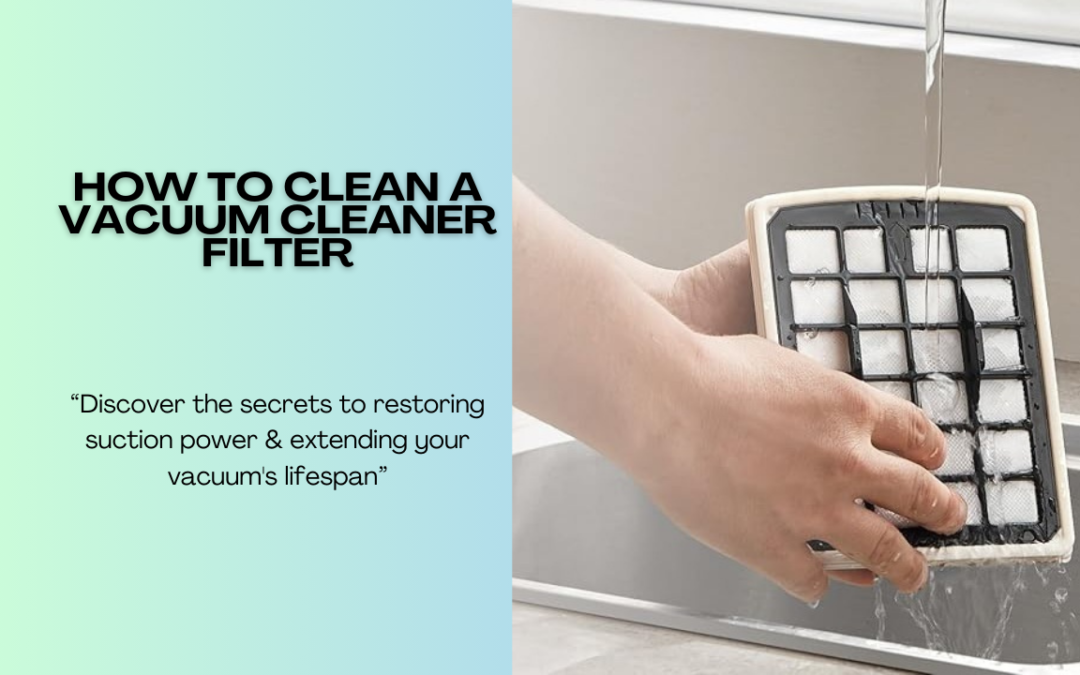
Discover The Secrets To Restoring Suction Power & Extending Your Vacuum’s Lifespan
There’s something profoundly frustrating about vacuuming your floors whilst noticing the suction feels weaker than it did last month. You’re pushing harder, making multiple passes over the same spot, and wondering whether your vacuum’s simply given up on life. Before you consider replacing the entire unit, I’ve got news that’ll save you hundreds of pounds. The culprit behind your vacuum’s lacklustre performance is almost certainly a clogged, dirty filter desperately crying out for attention. Learning how to clean a vacuum cleaner filter represents one of the most important maintenance tasks you’ll ever perform on your cleaning equipment.
Yet surprisingly, most people completely ignore their filters until suction becomes virtually non-existent. I’ve watched friends spend $300-500 on replacement vacuums when a simple fifteen-minute filter cleaning would have restored performance completely. It’s genuinely painful to witness.
What drew me to write this comprehensive guide was discovering how many misconceptions surround filter maintenance. Some people believe filters last forever without cleaning. Others think all filters are disposable and require constant replacement. The reality sits somewhere between these extremes, depending on your specific vacuum type and filter design. Understanding proper filter cleaning techniques dramatically extends your vacuum’s lifespan while maintaining optimal suction power and air quality.
The benefits of regular filter cleaning extend beyond just restored suction. Clean filters improve indoor air quality by effectively capturing allergens and dust particles. They reduce energy consumption by allowing your vacuum’s motor to operate efficiently. They prevent expensive repairs caused by motor strain from restricted airflow. Most importantly, they save money by eliminating premature vacuum replacement. If you’re looking to invest in a quality vacuum that’s worth maintaining properly, check out our guide to the best vacuum cleaners to find models with excellent filtration systems.
I’ve spent years maintaining various vacuum types across different households. I’ve cleaned washable filters, replaced disposable ones, and learned through trial and error which methods actually work versus those creating more problems. This guide represents genuine practical experience rather than theoretical advice. I’ll share what genuinely works for restoring filter performance, what mistakes to avoid, and how to determine whether your filter needs cleaning or replacement.
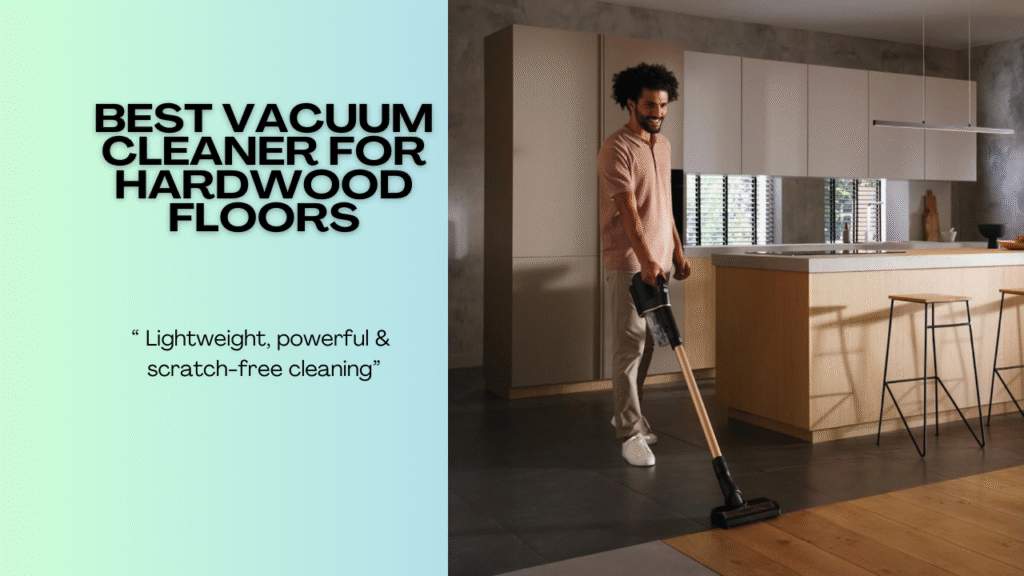
Check Out Our List Of The Best Vacuums For Hardwood Floors in 2026
Understanding Different Filter Types
Before diving into cleaning techniques, you need to understand what type of filter your vacuum uses. Different filter designs require dramatically different maintenance approaches. Using the wrong cleaning method can permanently damage certain filters whilst proving ineffective on others.
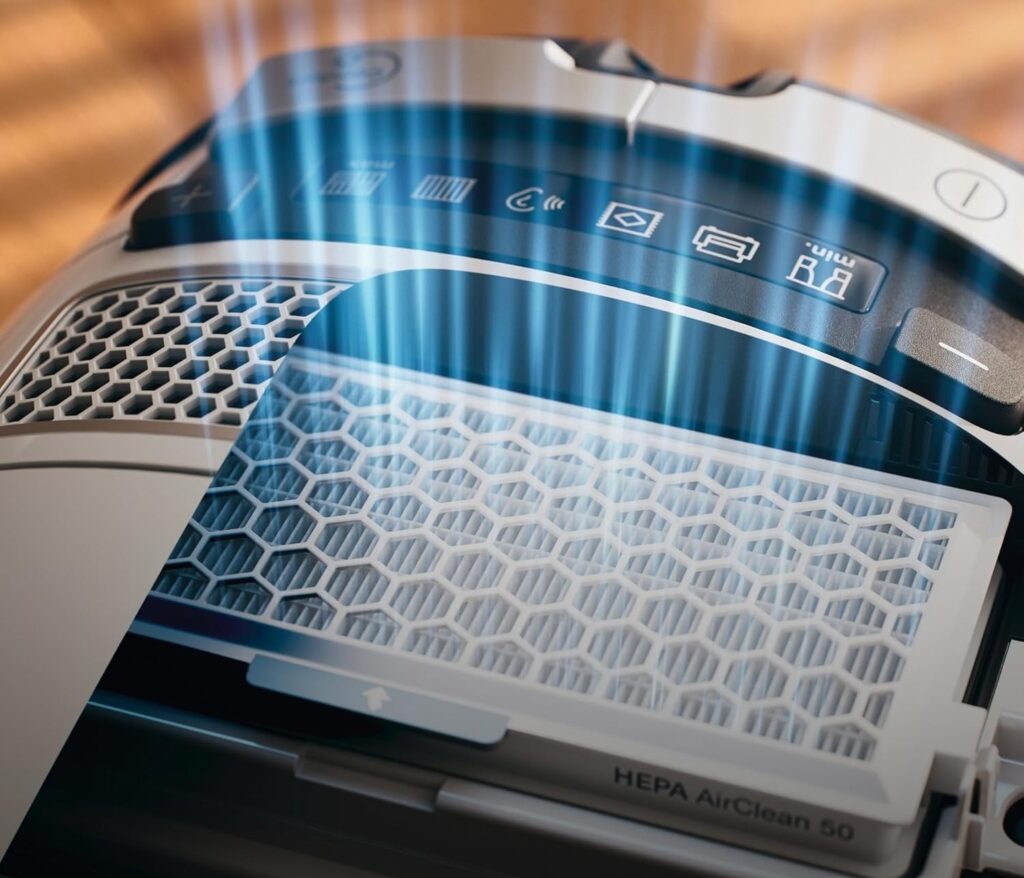
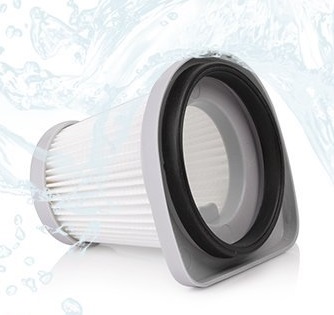
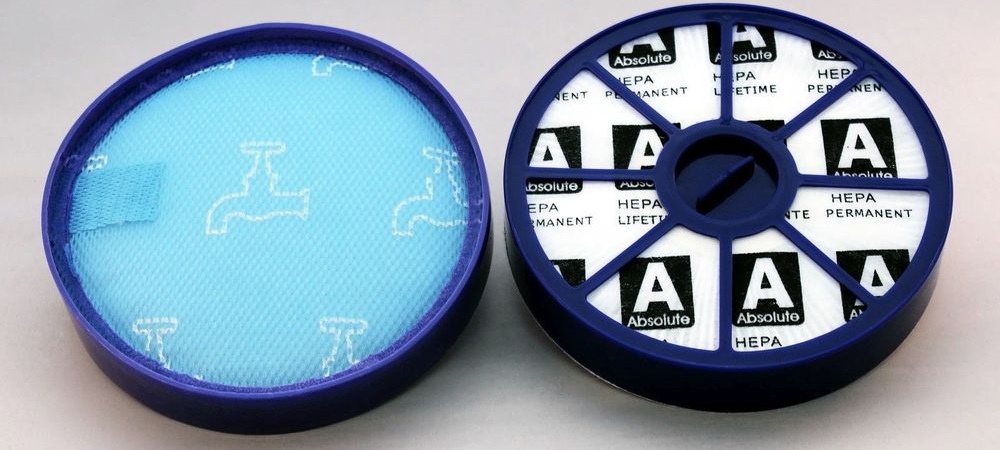
HEPA filters represent the gold standard for allergen capture. These high-efficiency particulate air filters trap 99.97% of particles down to 0.3 microns. Some HEPA filters are washable, whilst others are strictly disposable. Check your manufacturer’s documentation before attempting any cleaning. Washable HEPA filters typically feature rigid plastic frames with pleated filter media. Disposable HEPA filters often use cardboard frames that would disintegrate when wet.
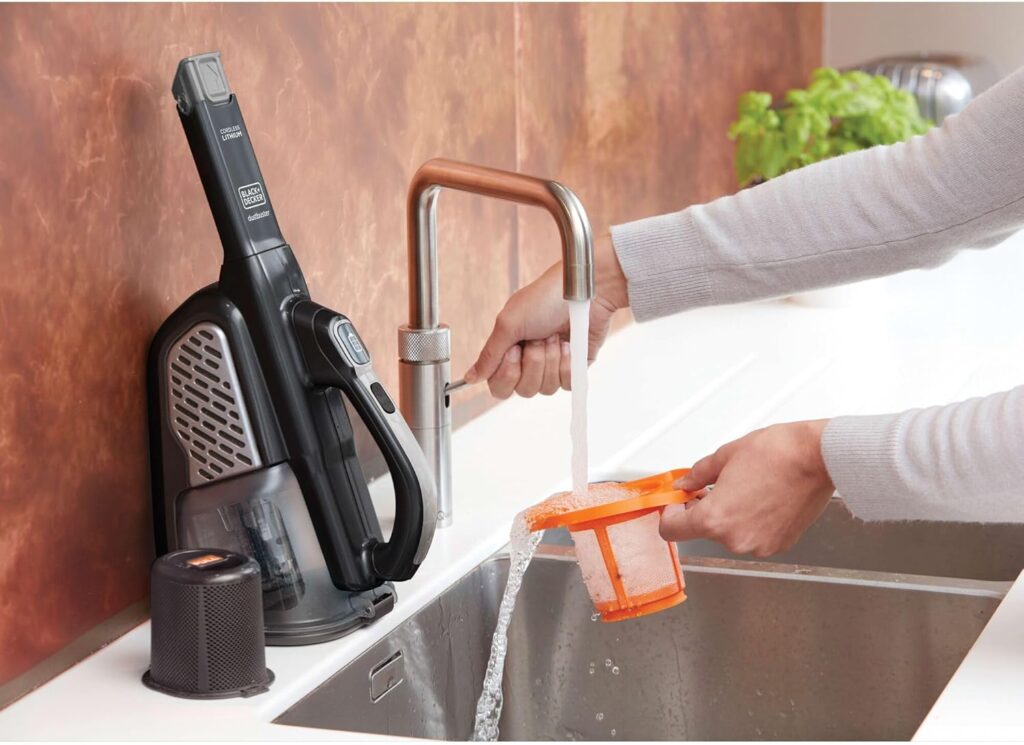
Foam filters are almost universally washable and extremely durable. These sponge-like filters capture larger particles and protect the motor from debris. Cordless stick vacuums frequently use foam pre-filters combined with other filter types. The foam material withstands repeated washing without degradation. Simply rinse under running water until the water runs clear.
Felt or cloth filters sit between foam and HEPA in terms of filtration efficiency. Most felt filters are washable, though some cheaper versions are disposable. The fabric construction captures medium-sized particles effectively. These filters benefit from gentle hand washing rather than aggressive scrubbing that might damage the fibres.
Cartridge filters feature pleated paper or synthetic material, maximising surface area for particle capture. Many cartridge filters are washable despite their paper-like appearance. However, some use genuine paper that would be destroyed by water. Again, manufacturer guidance proves essential. According to the Environmental Protection Agency, proper filter maintenance significantly impacts indoor air quality and vacuum performance.
Understanding your specific filter type before attempting cleaning prevents expensive mistakes. Consult your vacuum’s user manual or check the manufacturer’s website for definitive guidance. When in doubt, err on the side of caution and contact customer service for clarification.
Benefits of Regular Filter Cleaning
The advantages of maintaining clean vacuum filters extend far beyond restored suction power. Regular filter cleaning delivers multiple benefits affecting your vacuum’s performance, your home’s air quality, and your wallet’s health. Understanding these benefits motivates consistent maintenance rather than neglect until performance becomes unacceptable.
Restored suction power represents the most immediately noticeable benefit. Clogged filters restrict airflow dramatically, forcing your vacuum’s motor to work harder whilst delivering weaker cleaning performance. A properly cleaned filter restores suction to near-original levels within minutes. The difference proves genuinely shocking when you’ve adapted to a gradually declining performance over months.
Improved indoor air quality benefits everyone, particularly those with allergies or asthma. Dirty filters become saturated with captured particles, reducing their effectiveness at trapping additional allergens. Some particles may even blow back into your home’s air. Clean filters maintain optimal particle capture, preventing allergen recirculation. For households with pets or allergy sufferers, this benefit alone justifies regular maintenance.
An extended vacuum lifespan saves substantial money over time. Motors forced to operate against restricted airflow experience increased wear and heat buildup. This stress shortens motor life significantly, leading to premature vacuum failure. Clean filters allow proper airflow, reducing motor strain and extending overall vacuum lifespan by years. The fifteen minutes spent cleaning filters can literally add years to your vacuum’s service life.
Reduced energy consumption lowers your electricity bills whilst benefiting the environment. Vacuums with clogged filters consume more power attempting to maintain suction through restricted airways. Clean filters allow efficient motor operation at lower power levels. The savings per cleaning session prove minimal, but they compound over hundreds of uses throughout your vacuum’s lifetime.
Prevention of expensive repairs represents another significant advantage. Overheating motors caused by restricted airflow can fail catastrophically, requiring professional repair or complete replacement. Regular filter cleaning prevents this scenario entirely. The cost of replacement filters or cleaning supplies pales compared to motor repair bills ranging from $100-300.
Versatility of Filter Cleaning Methods
The beauty of filter maintenance lies in its adaptability to different filter types, vacuum models, and available resources. Multiple cleaning approaches exist, allowing you to choose methods that match your specific situation. Understanding this versatility ensures you can maintain your vacuum regardless of circumstances.
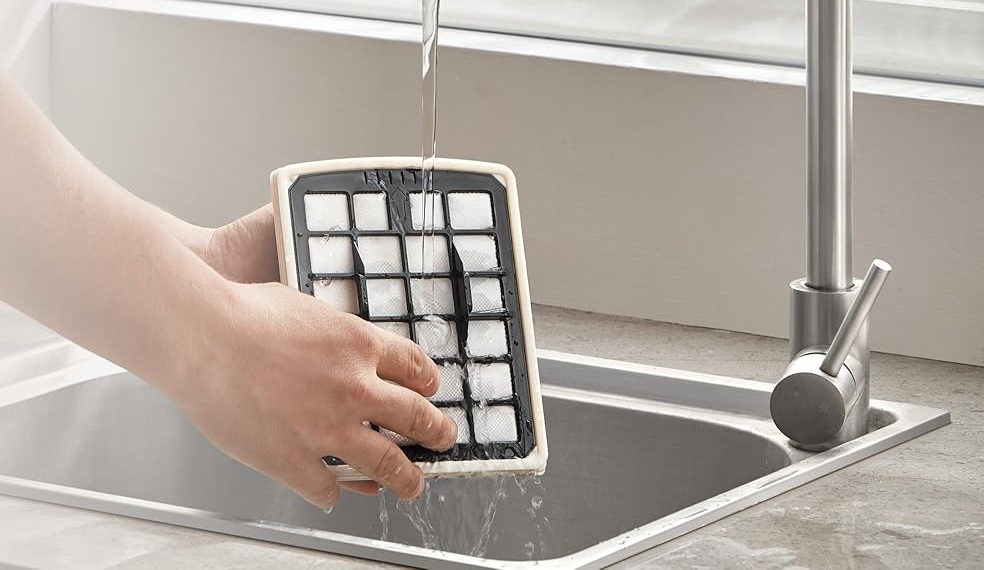
Rinse-and-dry methods work brilliantly for washable filters. Simply hold the filter under running water until the water runs clear. Gently squeeze foam filters to expel trapped dirt without twisting or wringing. Allow complete drying for 24-48 hours before reinstalling. This approach costs nothing beyond water and requires minimal time investment.
Compressed air cleaning suits have filters that shouldn’t get wet. Many vacuum shops and garages provide compressed air access. Blow air through the filter from the clean side, forcing debris out the dirty side. This method proves effective for pre-motor filters and some HEPA designs. The technique works outdoors to avoid redistributing dust indoors.
Soft brush cleaning removes surface debris without water. Use a soft-bristled brush, gently removing visible dust and debris from filter surfaces. This approach works well for monthly maintenance between deeper cleanings. The method proves particularly useful for filters requiring infrequent washing to preserve their effectiveness.
Vacuum-to-vacuum cleaning sounds circular, but it works surprisingly well. Use a second vacuum with a brush attachment, gently removing debris from your primary vacuum’s filter. This technique suits filters between full cleanings, extending intervals between washings. The approach proves convenient when you lack time for complete filter drying.
Replacement represents the ultimate cleaning method for disposable filters. Some filters simply aren’t designed for washing and require periodic replacement. Follow manufacturer recommendations for replacement intervals. Whilst this approach costs more, it ensures optimal filtration performance. Budget approximately $10-30 annually for replacement filters, depending on your vacuum model. If you’re considering upgrading to a vacuum with better filter maintenance options, see our comprehensive comparison in our best vacuum cleaners for pet hair guide.
Environmental Considerations
Filter maintenance decisions impact environmental sustainability more than most people realise. Choosing between washable and disposable filters, selecting cleaning products, and managing filter disposal all carry environmental consequences. Making informed choices reduces your ecological footprint whilst maintaining cleaning effectiveness.
Washable filters dramatically reduce landfill waste compared to disposable alternatives. A single washable filter lasting 3-5 years replaces dozens of disposable filters otherwise destined for landfills. The manufacturing energy required for replacement filters compounds this environmental impact. Choosing vacuum models with washable filters represents an eco-conscious purchasing decision.
Water consumption during filter cleaning remains relatively minimal. Thorough filter rinsing typically uses 2-5 litres of water. This consumption pales compared to other household water use, like showering or dishwashing. However, collecting rinse water for garden use where appropriate maximises water efficiency. The dirty water contains organic matter beneficial for certain plants.
Cleaning product selection affects environmental impact significantly. Plain water proves sufficient for most filter cleaning without requiring chemical cleaners. When cleaning products become necessary for stubborn buildup, choose environmentally friendly, biodegradable options. Harsh chemicals aren’t required for effective filter cleaning and introduce unnecessary environmental harm.
Proper disposal of genuinely worn-out filters matters environmentally. Some filters contain materials requiring special disposal consideration. Check local recycling programmes accepting vacuum filters. Many councils now accept small appliance components through specific recycling streams. When recycling proves impossible, at least ensure proper general waste disposal rather than littering.
Energy efficiency improvements from clean filters reduce your carbon footprint indirectly. Vacuums operating efficiently consume less electricity, reducing fossil fuel consumption at power plants. This indirect benefit compounds over your vacuum’s lifetime. The cumulative energy savings from regular filter maintenance prove surprisingly substantial.
Extending vacuum lifespan through proper maintenance represents perhaps the most significant environmental benefit. Manufacturing new vacuums consumes substantial resources, including plastics, metals, and energy. Each additional year you extract from your current vacuum delays resource consumption for replacement manufacturing. This longevity proves far more environmentally beneficial than any single maintenance decision.
Impact on Vacuum Noise Levels
The relationship between filter cleanliness and vacuum noise levels surprises most people. Dirty filters don’t just reduce suction—they dramatically increase operating noise through multiple mechanisms. Understanding this connection helps diagnose filter problems through audio cues alone.
Clogged filters force motors to work harder, generating increased mechanical noise. The motor spins faster, attempting to maintain suction against restricted airflow. This increased RPM produces higher-pitched, more intense motor sounds. The noise difference between clean and clogged filters can exceed 10-15 decibels, representing a substantial audible increase.
Airflow turbulence creates whistling or whining sounds when filters become partially blocked. Air forced through restricted passages generates high-frequency noise similar to wind through gaps. These sounds indicate airflow obstruction requiring immediate filter attention. The whistling typically worsens as blockage severity increases.
Vibration amplification occurs when unbalanced airflow causes components to resonate. Dirty filters create uneven air pressure throughout the vacuum’s internal pathways. This imbalance causes housing components to vibrate at frequencies they wouldn’t experience with clean filters. The resulting rattling or buzzing adds to the overall noise levels.
Motor strain from restricted airflow shortens bearing life, eventually causing grinding noises. Bearings operating under excessive load wear prematurely. This wear manifests as grinding, squealing, or groaning sounds during operation. By the time these sounds appear, motor damage may already be substantial. Regular filter cleaning prevents this progressive deterioration.
Reduced noise levels from clean filters improve user experience substantially. Quieter operation makes vacuuming less unpleasant, potentially encouraging more frequent cleaning. The noise reduction benefits households with young children, pets, or noise-sensitive individuals. Maintaining clean filters proves especially important for early morning or late evening cleaning sessions.
Testing filter cleanliness through audio cues provides a convenient diagnostic tool. If your vacuum sounds noticeably louder than remembered, check the filters before assuming motor problems. The sound change often precedes obvious suction loss, allowing proactive maintenance. Trust your ears, they provide a reliable early warning of filter issues.
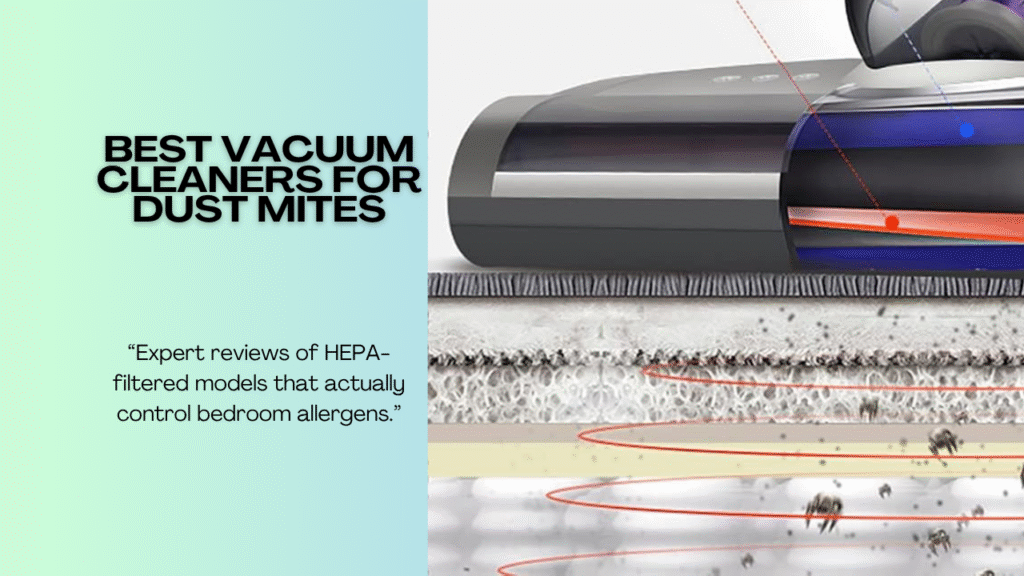
Check Out Our List Of The Best Vacuum Cleaners For Dust Mites with HEPA filtration
Brand-Specific Maintenance Recommendations
Different vacuum manufacturers provide varying guidance for filter maintenance. Understanding brand-specific recommendations ensures you maintain your vacuum according to the manufacturer’s engineering specifications. Following these guidelines protects warranty coverage whilst optimising performance.
Dyson emphasises washable filter maintenance across their cordless stick vacuum range. Their guidance recommends monthly filter washing under cold running water without detergent. They specifically warn against dishwasher cleaning or tumble drying, which would damage filter components. Dyson filters require complete drying for 24 hours before reinstallation. Their newer models feature reminder notifications through digital displays.
Shark provides detailed filter maintenance guidance varying by model series. Their upright vacuums typically use foam and felt filters, requiring monthly washing. Shark recommends gentle hand washing with warm water and mild soap. Their robotic vacuums feature different maintenance schedules with filters needing replacement every 3-6 months, depending on usage. According to Shark’s official maintenance documentation, proper filter care extends vacuum lifespan significantly.
Miele takes a premium approach with mostly disposable filters requiring annual replacement. Their HEPA filters are specifically designed as disposable components, ensuring optimal filtration. Miele argues that washing HEPA filters degrades filtration efficiency below acceptable standards. They recommend filter replacement as preventive maintenance rather than waiting for performance degradation.
Hoover’s guidance varies dramatically between budget and premium models. Budget uprights often feature basic foam filters requiring frequent washing. Premium models may include genuine HEPA filters with longer replacement intervals. Hoover emphasises checking model-specific documentation rather than assuming universal maintenance procedures.
Bissell provides practical, user-friendly maintenance guidance across their product range. They clearly identify washable versus disposable filters in product documentation. Bissell’s wet-dry vacuums require especially vigilant filter maintenance given their demanding operating conditions. Their guidance emphasises complete filter drying before storage, preventing mould growth.
Budget-Friendly Filter Maintenance
Filter maintenance needn’t strain your budget. Multiple cost-effective approaches maintain optimal vacuum performance without expensive products or frequent filter replacement. Understanding these budget-friendly options ensures consistent maintenance regardless of financial constraints.
Plain water represents the most economical cleaning solution for washable filters. Thorough rinsing under running water removes the majority of trapped dirt and debris. No special cleaning products are required for routine maintenance. The cost amounts to literally pennies in water charges, making this approach accessible to everyone.
Homemade cleaning solutions work excellently for stubborn filter buildup. Mix mild dish soap with warm water, creating a gentle cleaning solution. Soak filters for 10-15 minutes, loosening embedded dirt. Rinse thoroughly, ensuring no soap residue remains. This approach costs perhaps 5-10 pence per cleaning session whilst delivering professional results.
Preventive maintenance reduces overall filter replacement costs. Emptying dustbins before reaching capacity prevents excessive filter loading. Using pre-motor filters where available protects the main filters from heavy debris. These simple habits extend filter lifespan substantially without additional expense.
Generic replacement filters offer significant savings over branded alternatives. Many third-party manufacturers produce compatible filters for popular vacuum models. These alternatives typically cost 40-60% less than original equipment filters whilst delivering comparable performance. Ensure compatibility before purchasing to avoid fitment issues.
Filter cleaning tools require minimal investment. A soft brush costing $2-3 lasts for years whilst enabling effective filter maintenance. Compressed air cans cost $5-8 and provide dozens of cleaning sessions. These one-time investments deliver ongoing value through extended filter life.
Extending filter lifespan through proper care maximises value. Allowing complete drying prevents mould, requiring premature replacement. Gentle handling avoids tears or damage necessitating disposal. Storing filters properly between uses maintains their condition. These practices cost nothing whilst substantially extending filter service life. For vacuums with excellent filter longevity and easy maintenance, explore our recommendations in our best cordless vacuum cleaners guide.
Proper Maintenance Procedures
Understanding correct filter cleaning procedures ensures effective maintenance without damage. Following these step-by-step guidelines delivers optimal results whilst protecting your vacuum’s filtration system. The process varies slightly depending on filter type but follows general principles.
Begin by consulting your vacuum’s user manual for specific guidance. Manufacturers provide detailed instructions tailored to their filter designs. This documentation identifies whether filters are washable or disposable. Following manufacturer guidance protects warranty coverage whilst ensuring proper maintenance.
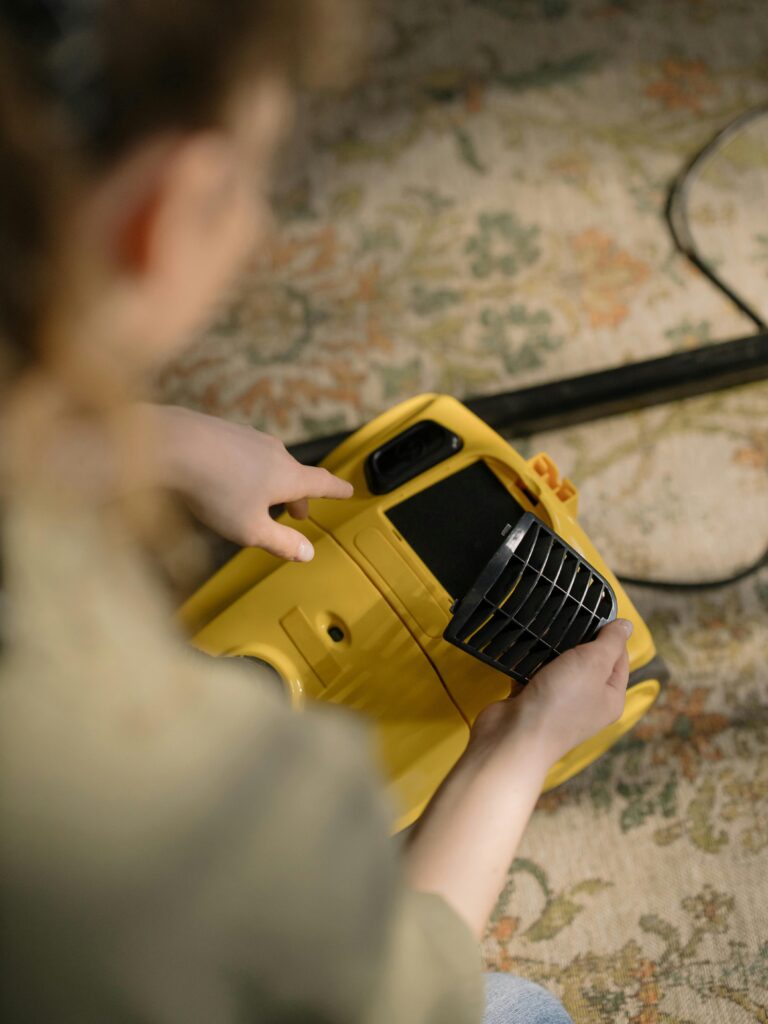
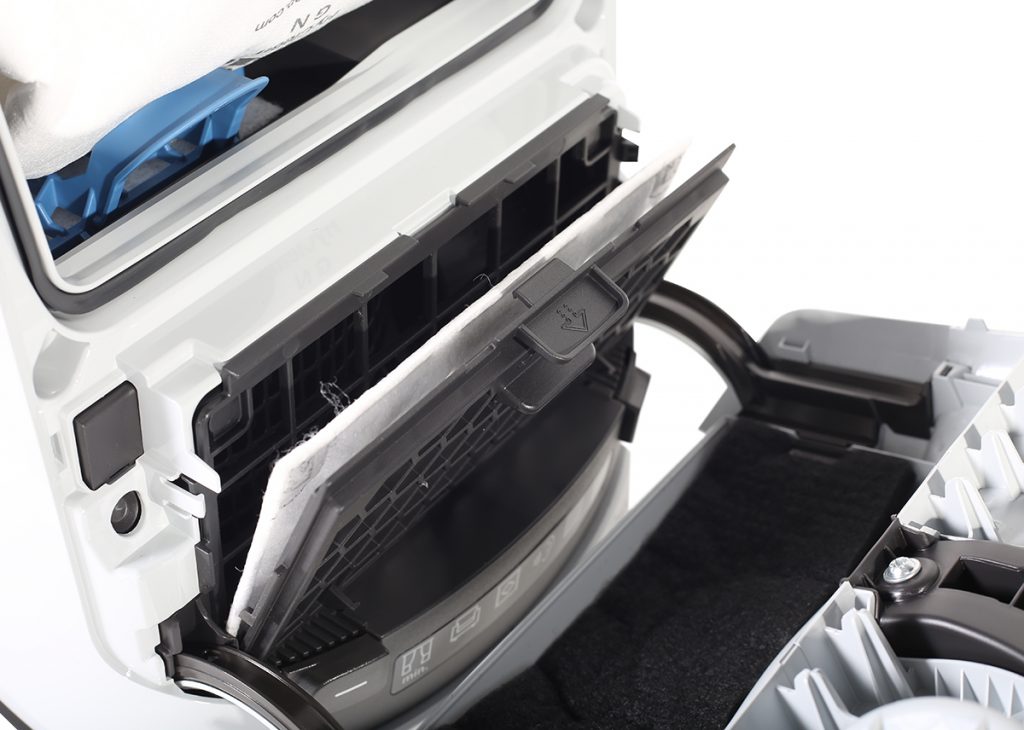
Remove filters carefully to avoid damage. Locate filter access points, typically behind dustbin compartments or top covers. Note filter orientation and positioning for correct reinstallation. Some vacuums use multiple filters requiring removal in specific sequences. Take photographs if needed, documenting the original configuration.
Tap or shake filters outdoors, removing loose surface debris. Hold filters over a bin or outdoors, preventing indoor dust redistribution. Gentle tapping dislodges accumulated particles without requiring water. This preliminary step reduces subsequent washing requirements.
Rinse washable filters thoroughly under running water. Use lukewarm water rather than hot, which might damage certain materials. Direct water flow from the clean side toward the dirty side, forcing debris out rather than deeper into the filter media. Continue rinsing until the water runs completely clear.
Gently squeeze foam filters, expelling trapped water and debris. Avoid twisting or wringing actions that might tear foam material. Use pressing motions instead, compressing foam gently and releasing repeatedly. This technique removes water whilst preserving foam integrity.
Apply a mild cleaning solution for stubborn buildup. Mix small amounts of dish soap in water, creating a gentle cleaning solution. Soak filters for 10-15 minutes, loosening embedded dirt. Rinse thoroughly afterwards, ensuring complete soap removal. Soap residue affects filtration performance and might damage motors.
Allow complete drying for 24-48 hours before reinstallation. Position filters in well-ventilated areas away from direct heat sources. Ensure both surfaces receive adequate airflow. Installing damp filters risks mould growth and motor damage. Patience during drying prevents these problems entirely.
Inspect filters during cleaning for damage requiring replacement. Check for tears, holes, or deteriorated materials. Foam filters showing compression or hardening need replacement. HEPA filters with damaged pleats require disposal. Identifying damage early prevents poor vacuum performance.
Understanding Filter Warranties
Filter warranties vary significantly between manufacturers and vacuum models. Understanding warranty coverage helps you make informed decisions about maintenance versus replacement. However, filter warranties often differ from overall vacuum warranties, creating potential confusion.
Most vacuum warranties exclude filters as consumable items. Manufacturers consider filters similar to light bulbs—components requiring periodic replacement during normal use. However, some premium brands include filter replacement within warranty periods. Carefully review warranty terms, identifying what’s actually covered.
Miele typically includes one set of replacement filters with new vacuum purchases. Their premium positioning extends to comprehensive warranty coverage. However, subsequent filter replacements fall on the owner. This approach provides initial coverage whilst acknowledging filters’ consumable nature.
Dyson offers generous washable filter warranties covering manufacturing defects. If filters develop structural problems like torn seals or damaged frames, warranty coverage typically applies. However, normal wear from proper use and maintenance isn’t covered. Documentation proving proper maintenance helps warranty claims.
Budget brands rarely provide specific filter warranties beyond general vacuum coverage. This limitation reflects their lower price points and business models. Filter replacement becomes an expected ownership cost with these brands. Factor this ongoing expense into total ownership calculations.
Extended warranties purchased separately might include filter coverage. Review extended warranty terms carefully before purchasing. Some retailers offer service plans, including routine maintenance items like filters. These plans make financial sense for expensive vacuum models with costly replacement filters.
Warranty claims require proper maintenance documentation. Manufacturers might deny claims if filters show evidence of misuse or neglect. Washing non-washable filters, using harsh chemicals, or failing to follow manufacturer guidelines can void warranties. Maintaining cleaning records protects warranty rights.
Understanding warranty limitations helps budget for filter maintenance. If warranties don’t cover filters, allocate funds for replacement or cleaning supplies. This planning prevents surprise expenses from derailing household budgets. Calculate annual filter costs when comparing vacuum models during purchase decisions.
Check Out Our List Of The Best Vacuum Cleaners For Dust Mites with HEPA filtration
Common Filter Cleaning Challenges
Even with proper techniques, certain filter cleaning challenges arise regularly. Understanding these issues and their solutions prevents frustration whilst ensuring effective maintenance. Many problems have simple fixes once you identify the underlying cause.
Filters remaining dirty after thorough washing indicate embedded debris. Some particles penetrate deeply into filter media, resisting simple rinsing. Solution involves extended soaking in warm water with mild detergent. Allow 30-60 minutes soaking time, loosening stubborn deposits. Multiple rinse cycles might prove necessary to achieve truly clean filters.
Persistent odours after cleaning suggest microbial growth within filter materials. Bacteria and mould developing in damp filters create musty smells. Solution requires adding white vinegar to rinse water, creating a hostile environment for microbes. Mix one part vinegar with three parts water, soak filters for 15-20 minutes, then rinse thoroughly. Ensure complete drying afterwards, preventing recurrence.
Filters taking excessively long to dry frustrate many users. Thick foam filters or complex pleated designs retain moisture stubbornly. The solution involves improving air circulation around drying filters. Position near fans or in warm, dry areas. Gently squeeze excess water before drying. Consider purchasing spare filters, allowing continuous vacuum use whilst others dry.
Filter damage during cleaning occurs through excessive force or improper technique. Torn foam, separated seals, or damaged pleats render filters useless. Prevention requires gentle handling throughout the cleaning process. Use appropriate water pressure, avoiding high-pressure settings. Support filters properly during handling, preventing stress on weak points.
Difficulty determining when filters are truly clean challenges many users. Some dirt remains visually apparent despite thorough cleaning. Solution involves accepting that washable filters rarely look pristine. Focus on functionality rather than appearance. If water runs clear and filters feel clean when squeezed, they’re adequately maintained.
Reinstallation problems after cleaning indicate incomplete drying or improper orientation. Swollen filters from retained moisture won’t fit properly. Incorrect positioning prevents proper sealing. Solution requires verifying complete dryness through touch and allowing additional drying time if needed. Reference photographs taken during removal, ensuring correct reinstallation orientation.
Maximising Filter Cleaning Efficiency
Optimising your filter maintenance routine saves time whilst delivering better results. These efficiency tips streamline the cleaning process without compromising thoroughness. Implementing these strategies makes regular maintenance less burdensome, encouraging consistent filter care.
Schedule filter cleaning during natural vacuum use breaks. Clean filters whilst performing other household tasks like laundry or dishwashing. This multitasking approach eliminates dedicated filter cleaning time. The filters soak whilst you complete other chores, then rinse and set to dry before moving on.
Keep spare filters enabling continuous vacuum use. Purchase an extra set of washable filters or keep spare disposables on hand. When filters need cleaning or replacement, swap them immediately and continue vacuuming. Clean the removed filters at your convenience rather than halting cleaning sessions. This strategy particularly benefits large homes requiring extended vacuum sessions.
Create a dedicated filter drying station, streamlining the process. Designate a specific area with good airflow for filter drying. Keep a small drying rack or clean towels available. Having established a drying space eliminates searching for suitable locations each time. The consistent setup speeds the entire maintenance routine.
Batch clean multiple filters together when possible. If you own multiple vacuums or your model uses several filters, clean everything simultaneously. This batching eliminates repeatedly setting up and cleaning up for individual filter maintenance. The efficiency gains prove substantial over time.
Use calendar reminders, ensuring consistent maintenance schedules. Set monthly alerts on smartphones or mark calendars specifically for filter maintenance. These reminders prevent neglect until performance degrades noticeably. Proactive maintenance proves far easier than addressing severely clogged filters.
Inspect filters briefly during every dustbin emptying. This quick check takes seconds but provides an early warning of excessive buildup. When filters look particularly dirty during routine checks, schedule cleaning immediately rather than waiting for scheduled maintenance. This flexibility prevents performance degradation between scheduled cleanings.
Optimise drying time through strategic positioning. Place filters near dehumidifiers, heating vents, or in warm, dry areas. Increased ambient temperature and reduced humidity accelerate drying substantially. Avoid direct heat sources like radiators that might damage materials, but take advantage of naturally warm, dry locations.
Recommended Filter Cleaning Frequency
Determining optimal filter cleaning frequency depends on multiple factors, including usage intensity, household conditions, and filter type. Understanding these variables helps you establish personalised maintenance schedules delivering optimal vacuum performance without excessive cleaning.
Standard usage in average homes typically requires monthly filter cleaning. This frequency suits households vacuuming 2-3 times weekly without exceptional dirt or pet hair. Monthly maintenance prevents significant performance degradation whilst remaining manageable. Mark calendars or set reminders, ensuring consistent monthly cleaning.
Heavy usage or challenging conditions demand more frequent attention. Homes with multiple pets, young children, or high traffic patterns accumulate debris faster. These situations might require bi-weekly filter cleaning, maintaining adequate suction. Commercial vacuum use definitely requires weekly or even daily filter maintenance, depending on workload.
Light usage in smaller homes or single-person households might allow extended intervals. Vacuuming once weekly in compact spaces with minimal debris allows 6-8 week cleaning intervals. However, monitor performance carefully, ensuring suction remains adequate. Extended intervals risk damaging motors through restricted airflow, even with light use.
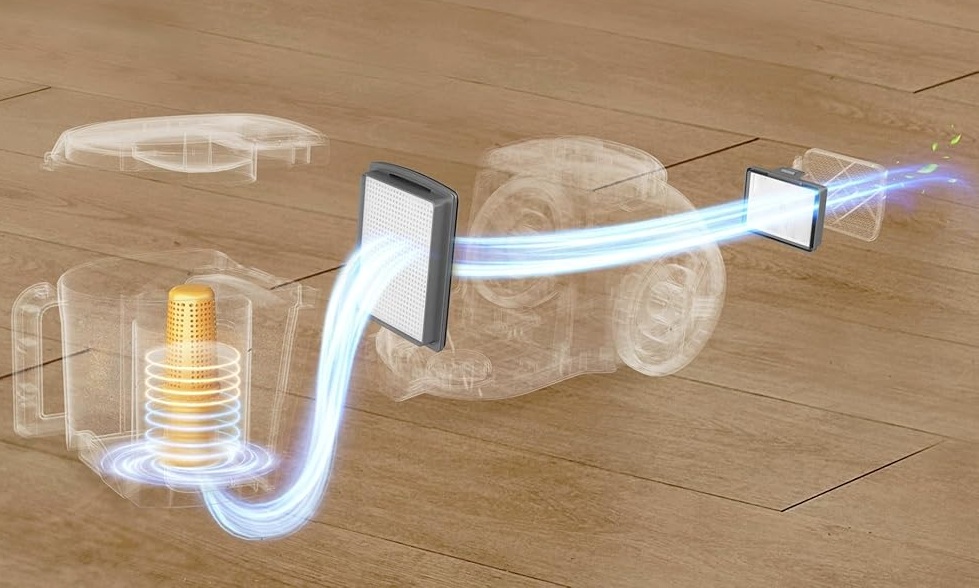
Pre-motor filters typically require more frequent attention than exhaust filters. Pre-motor filters encounter concentrated debris before cyclonic separation or bagging. These filters accumulate dirt faster, requiring weekly inspection and monthly cleaning. Exhaust filters handling already-filtered air might last 2-3 months between cleanings.
HEPA filters often feature different maintenance schedules than standard filters. According to the Asthma and Allergy Foundation of America, maintaining clean filtration systems proves essential for managing indoor allergens. Some HEPA filters require replacement every 6-12 months rather than washing. Consult manufacturer guidance for specific recommendations.
Seasonal variations might necessitate schedule adjustments. Spring and autumn often bring increased dust and pollen into homes. Consider increasing filter cleaning frequency during these seasons. Summer might allow reduced frequency in air-conditioned homes with controlled environments.
Performance monitoring provides the most accurate scheduling guidance. If vacuum suction noticeably decreases before scheduled maintenance, increase cleaning frequency. If filters look clean at scheduled intervals, extend the timeline slightly. Personalise schedules based on actual performance rather than rigid calendars. For vacuums offering superior filtration systems worth maintaining diligently, explore our top recommendations in our complete vacuum buying guide.
Proper Filter Storage Between Uses
Proper filter storage proves just as important as cleaning technique. Correct storage practices extend filter lifespan whilst preventing contamination, requiring additional cleaning. Understanding storage best practices protects your investment in quality filters.
Store completely dry filters in clean, dry locations. Any residual moisture encourages mould and mildew growth, ruining filters. Verify absolute dryness through touch before storage. If any dampness remains, continue drying. The patience required for complete drying prevents expensive, premature replacement.
Use sealed containers or plastic bags to protect filters from dust accumulation. Clean filters exposed to household dust between uses require re-cleaning before installation. Sealed storage maintains filter cleanliness indefinitely. Clear containers allow visual confirmation of stored filter condition without opening the packaging.
Avoid storing filters in damp locations like bathrooms or unheated garages. These environments promote mould growth even in seemingly dry filters. Humidity alone can cause problems. Choose storage locations with consistent, moderate humidity levels. Bedroom cupboards or hallway storage typically provide suitable environments.
Store spare filters near vacuum locations for convenient access. Keeping replacement or backup filters close to where you vacuum eliminates searching during maintenance. This accessibility encourages regular filter changes rather than postponing them because you can’t locate spares.
Label stored filters identifying their specific vacuum model. If you own multiple vacuums, filter confusion causes frustration. Simple labels indicating “Dyson V15” or “Shark Navigator” eliminate guesswork. This organisation proves especially valuable in households with several vacuum types.
Protect filters from physical damage during storage. Avoid crushing or compressing filters under other items. Maintain their original shape, preventing permanent deformation affecting fitment. Dedicated storage containers provide this protection whilst keeping filters organised.
Check stored filters periodically for unexpected deterioration. Even proper storage doesn’t guarantee indefinite filter preservation. Materials can degrade over time from age alone. Annual inspection of stored spares ensures they remain usable when needed.
Check Out Our List Of The Best Vacuum Cleaners For Dust Mites with HEPA filtration
Conclusion
Understanding how to clean a vacuum cleaner filter properly represents one of the most valuable maintenance skills you’ll develop. This relatively simple task delivers remarkable benefits, including restored suction power, improved air quality, extended vacuum lifespan, and substantial cost savings. The fifteen minutes invested in regular filter maintenance prevent hundreds of pounds in premature vacuum replacement or professional repairs.
Throughout this guide, I’ve shared practical techniques learned through years of maintaining various vacuum types. The key takeaway involves recognising that filter maintenance isn’t optional—it’s essential for optimal vacuum performance. Neglecting this simple task creates a cascade of problems, including poor cleaning performance, increased energy consumption, elevated noise levels, and ultimately premature vacuum failure.
The versatility of filter cleaning approaches ensures everyone can maintain their vacuum regardless of budget or available time. Whether using simple water rinsing, compressed air cleaning, or replacement with affordable generic filters, multiple options exist. Choose methods matching your specific situation rather than feeling constrained by perceived limitations.
Environmental considerations surrounding filter maintenance prove increasingly important. Choosing washable filters over disposable alternatives dramatically reduces landfill waste. Proper disposal of genuinely worn-out filters respects environmental responsibilities. The indirect energy savings from efficiently operating vacuums compound over the years of use.
Brand-specific maintenance recommendations deserve careful attention. Following manufacturer guidance protects warranty coverage whilst optimising performance. However, the fundamental principles of how to clean a vacuum cleaner filter remain consistent across brands. Understanding these principles allows confident maintenance regardless of the specific vacuum model.
Common challenges like persistent odours, extended drying times, or stubborn embedded dirt have straightforward solutions. Don’t let these temporary obstacles discourage regular maintenance. The long-term benefits far outweigh occasional frustrations. Consider challenges as learning opportunities to improve your maintenance skills.
Establishing consistent cleaning schedules prevents performance degradation before it becomes noticeable. Monthly maintenance suits most households, though your specific situation might require adjustments. Monitor vacuum performance between scheduled cleanings, adjusting frequency as needed. Trust your observations over rigid schedules.
Proper storage between uses extends filter lifespan substantially. Complete drying before storage prevents mould growth. Sealed containers protect filters from dust contamination. These simple practices ensure filters remain ready for immediate use when needed.
The financial savings from proper filter maintenance prove substantial over your vacuum’s lifetime. Avoiding premature replacement saves $200-500. Preventing motor repairs saves another $100-300. These savings dwarf the minimal cost of filter cleaning supplies or occasional replacements.
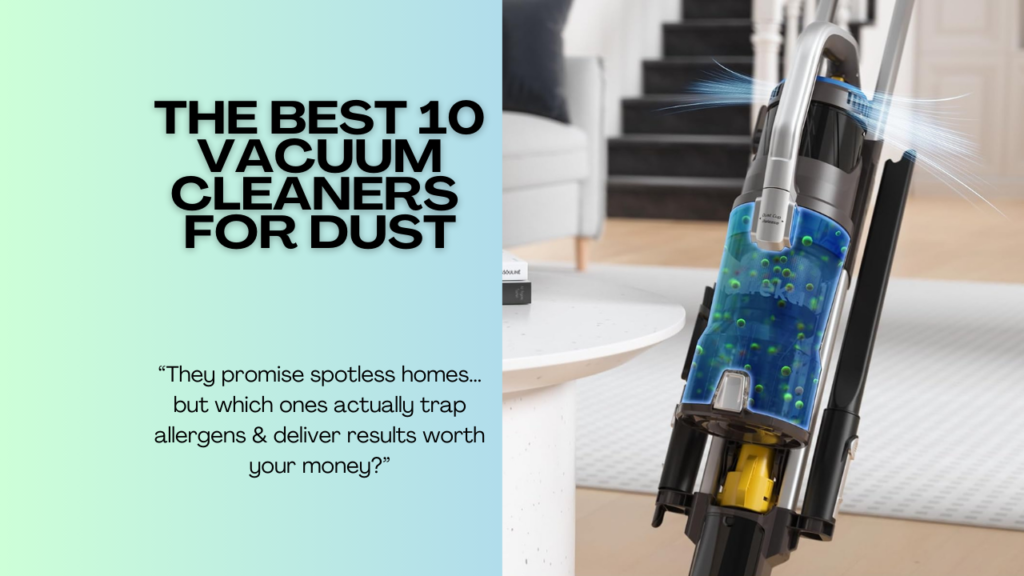
For those seeking vacuums with excellent filtration systems worth maintaining properly, I encourage exploring quality models designed for long-term ownership. Regular filter maintenance maximises your investment in these premium machines. For comprehensive vacuum recommendations with superior filtration, visit our complete guide to the best vacuum cleaners for detailed comparisons across all price points and feature sets.
Remember, learning how to clean a vacuum cleaner filter properly transforms vacuum ownership from frustrating decline to consistent, reliable performance. Take these fifteen minutes monthly, follow the guidance provided here, and enjoy years of optimal cleaning performance from your vacuum investment.