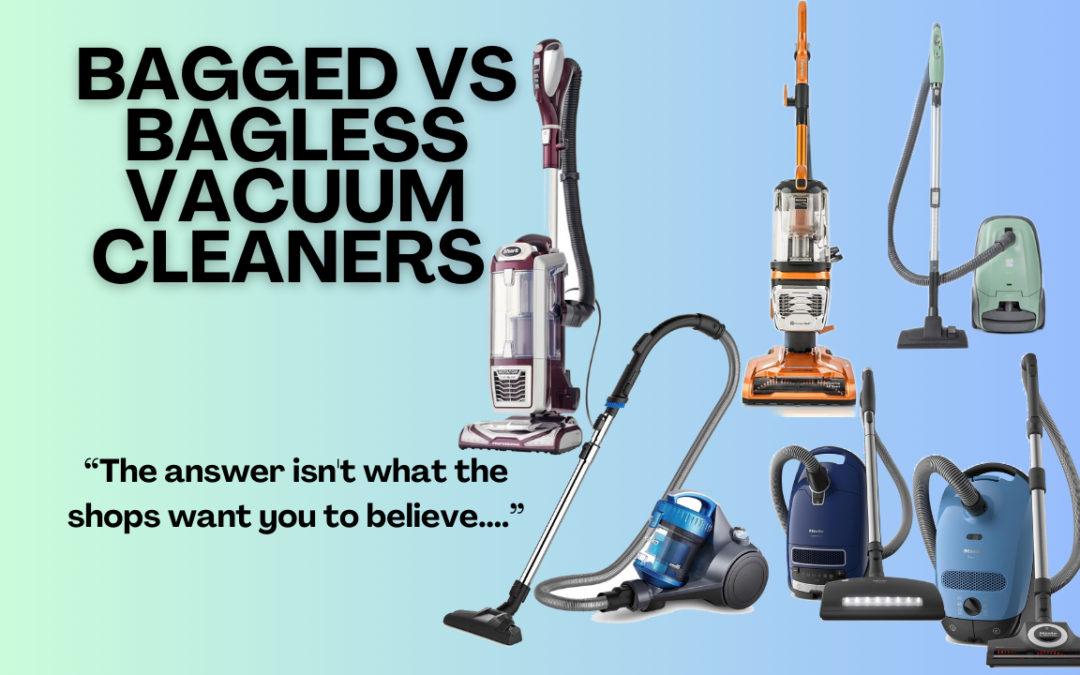
Here’s something nobody tells you when you’re buying a vacuum. That salesperson enthusiastically pushing bagless technology? They’re not necessarily giving you the whole truth. I learned this the hard way after spending three years with a bagless vacuum, convinced I was saving money by avoiding replacement bags. Spoiler alert: I wasn’t. The bagless vacuums vs bagged vacuums debate has become surprisingly emotional.
People defend their choice with the passion usually reserved for football teams or pizza toppings. I’ve had friends lecture me about environmental responsibility whilst emptying dust clouds into their bins. I’ve watched others spend small fortunes on replacement bags whilst insisting they’re cheaper long-term. The reality? Both camps are partly right and partly deluded.
What frustrates me about this debate is how marketing has twisted simple facts. Manufacturers present bagless technology as modern innovation, making bagged systems obsolete. Meanwhile, premium brands defend bagged systems as superior filtration technology worth the ongoing cost. The truth lives somewhere messier in the middle.
I’ve now used both systems extensively across different vacuum models and price points. I’ve dealt with the disgusting dust clouds from bagless emptying. I’ve grumbled about buying replacement bags quarterly. I’ve compared maintenance costs, cleaning performance, and long-term reliability. This guide shares what I’ve actually learned rather than repeating marketing claims.
Now, let me walk you through the genuine differences that actually matter in daily use.
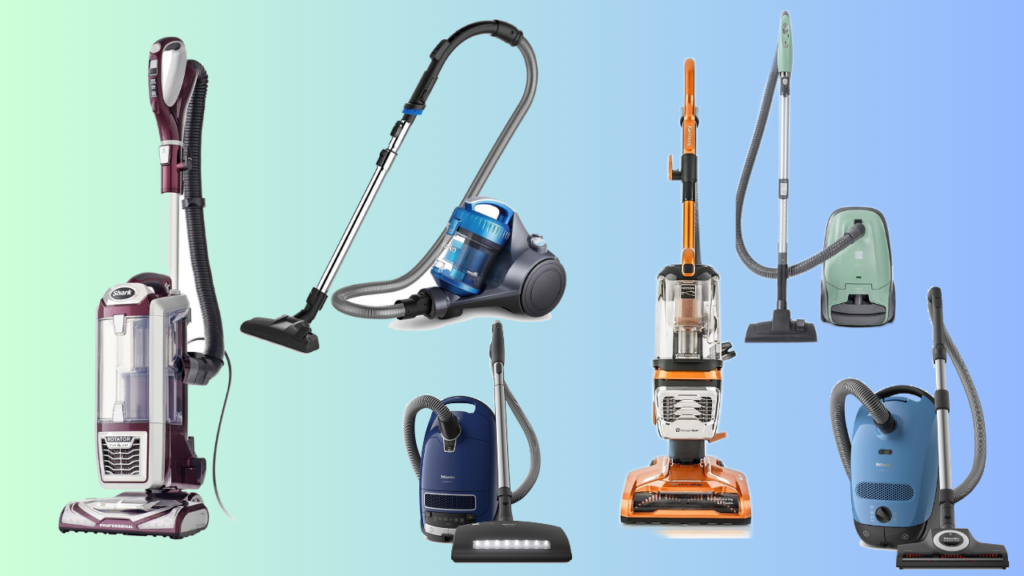
What to Look for When Choosing Between Bagless and Bagged Vacuums
Your Budget Reality Check
Let’s talk money honestly. Bagless vacuums appear cheaper initially because you’re not buying bags. However, this simplistic math ignores replacement filter costs. Most bagless systems require filter replacements every 6-12 months. These filters cost $15-40, depending on your model.
Bagged vacuums require, obviously, replacement bags. Quality bags cost $20-30 for packs of 8-12. With typical use, you’ll change bags monthly. That’s roughly $30-40 annually. Surprisingly similar to bagless filter costs, isn’t it?
The real cost difference emerges over 5-10 years. Premium bagged systems often feature lifetime filters needing only occasional rinsing. Budget bagless systems require frequent filter replacements alongside eventual cyclone cleaning complications. According to Consumer Reports’ vacuum cost analysis, total ownership costs between formats differ less than most people assume.
Calculate your actual projected costs before deciding. Factor in your usage frequency, home size, and chosen vacuum quality tier. The cheapest upfront option rarely proves cheapest long-term.
Your Tolerance for Mess
This matters more than most people admit. Emptying bagless vacuum canisters exposes you directly to collected dust, allergens, pet dander, and general nastiness. No matter how carefully you empty them, some dust escapes. I’ve tried every technique imaginable. Dust still happens.
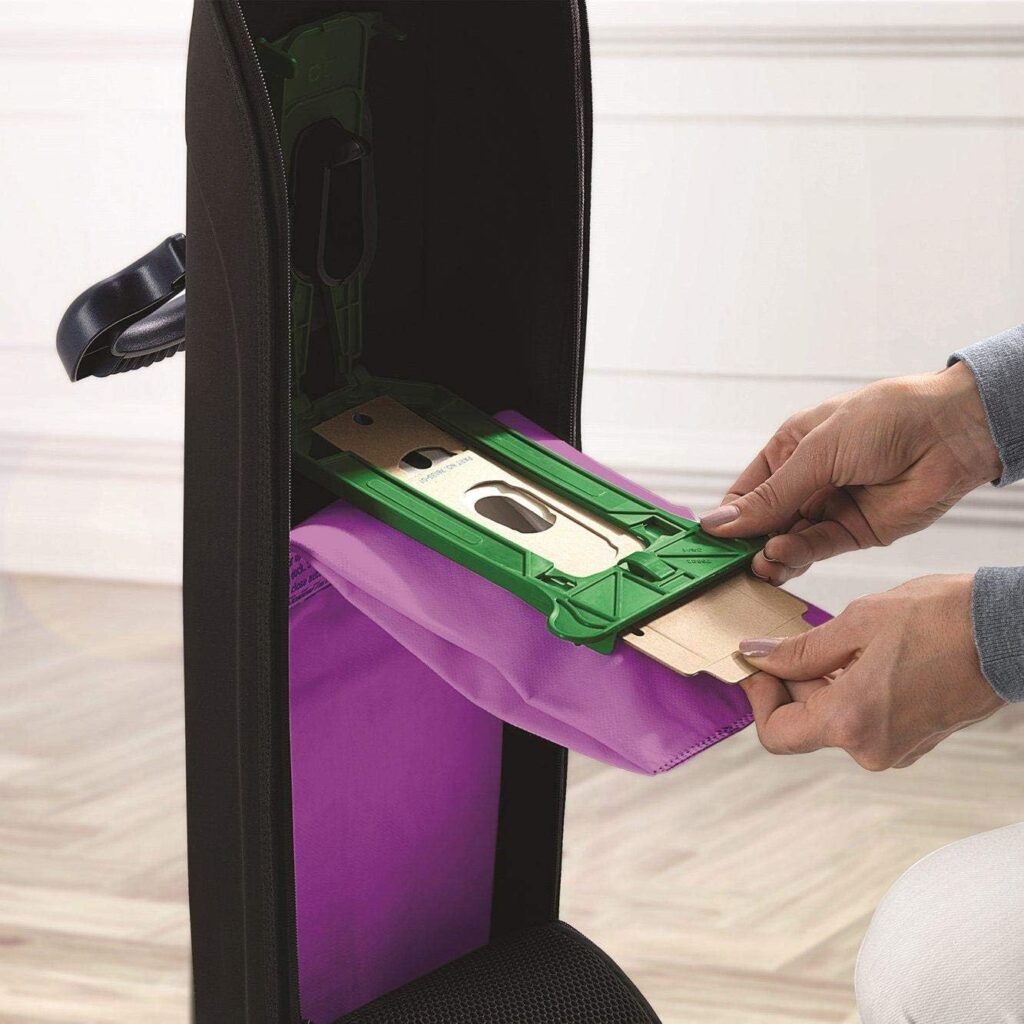
Bagged systems contain everything hygienically within sealed disposable bags. Remove the full bag, bin it, install a fresh one. No dust exposure. For allergy sufferers, this difference proves genuinely significant rather than trivial marketing spin.
However, bags can split if overfilled or if sharp debris punctures them. I’ve experienced this twice, creating vacuum-destroying messes requiring complete disassembly and cleaning. Bagless systems avoid this specific nightmare scenario.
Your Physical Capabilities
Bagless canisters require bending to floor level for emptying. The dirt cup releases downward typically. For elderly users or those with mobility limitations, this repeated bending proves challenging.
Bagged systems position the bag changes at more comfortable heights, usually. The bag compartment opens without excessive bending. This ergonomic advantage matters significantly for some users whilst seeming irrelevant to others.
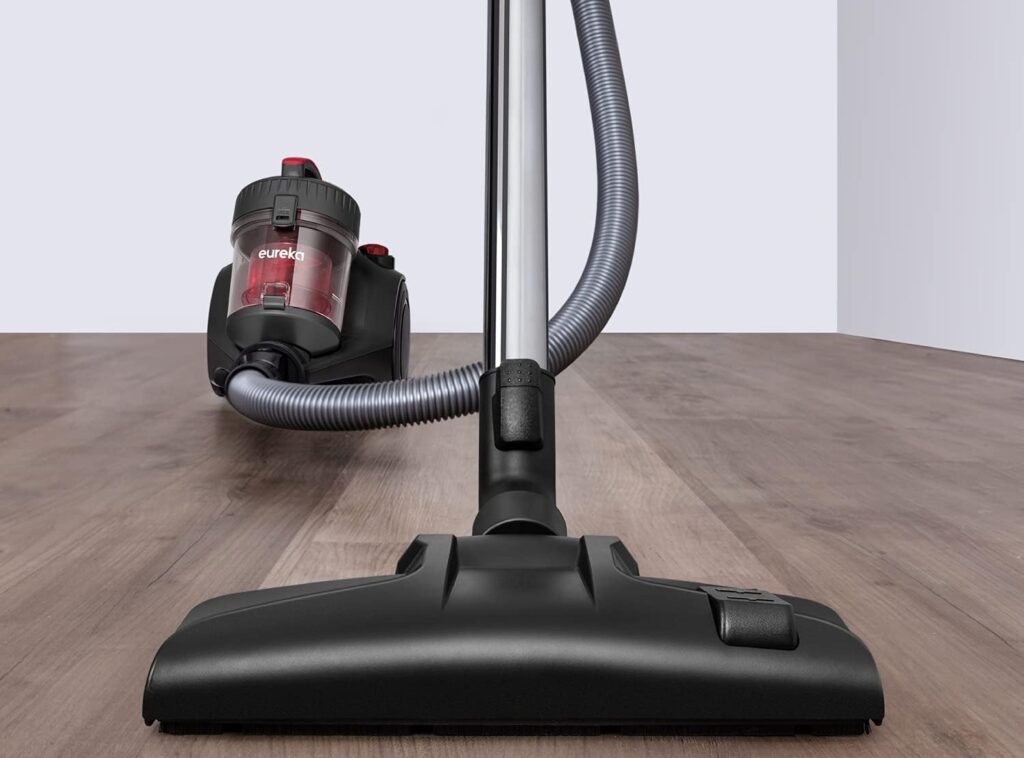
Benefits of Bagless Vacuum Systems
No Recurring Bag Purchases
The obvious advantage everyone mentions first. You’ll never run out of bags at inconvenient moments. You’ll never make special trips to stores seeking compatible bags for discontinued models. This convenience matters genuinely.
I’ve experienced the frustration of discovering my vacuum bag supply depleted mid-cleaning. It’s annoying. Bagless systems eliminate this specific irritation.
However, you still need replacement filters eventually. The “no ongoing costs” marketing proves somewhat misleading. You’re swapping one consumable for another, not eliminating consumables.
If you’re comparing specific models, check out our guide to the best bagless vacuum cleaners to see top-rated options
Visual Feedback on Cleaning Performance
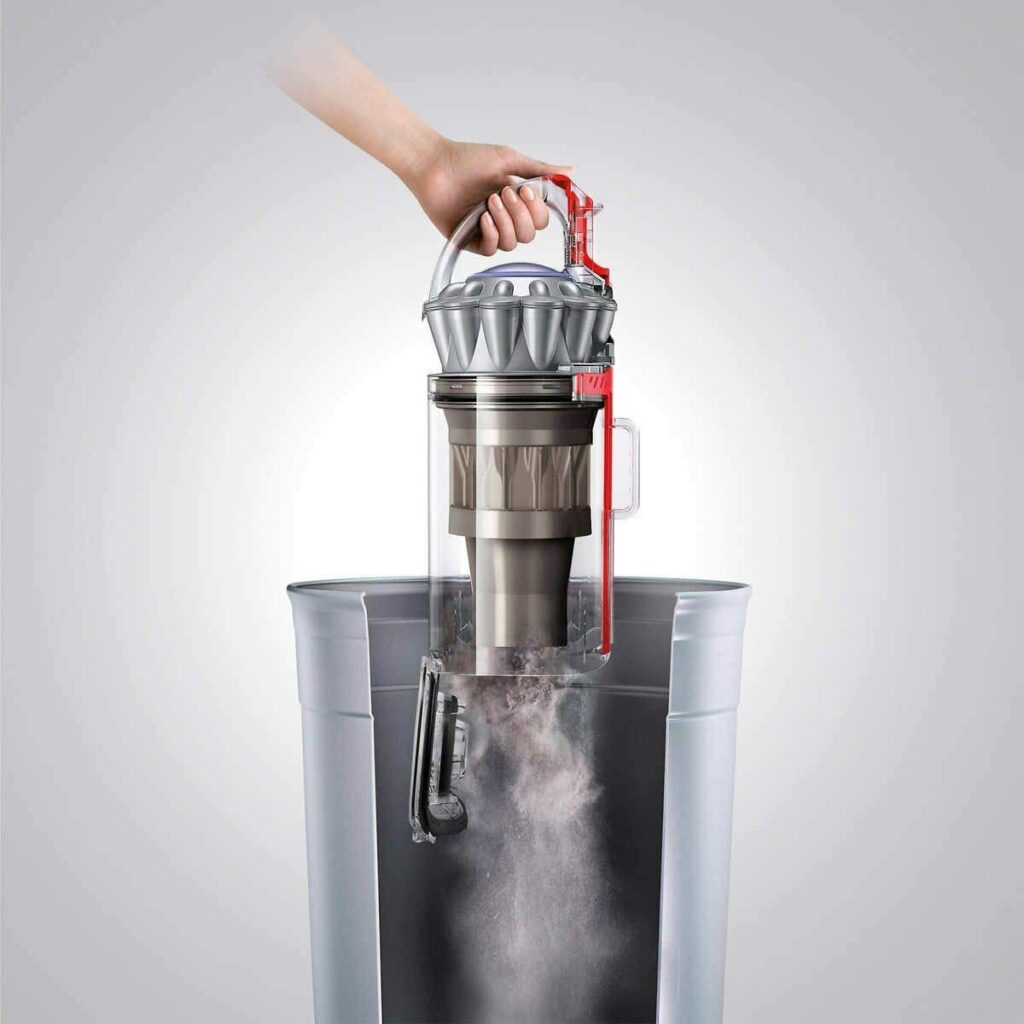
Transparent dirt canisters let you see exactly what you’ve collected. This proves surprisingly satisfying. You watch the canister fill with visible debris, confirming your cleaning efforts accomplished something tangible.
This visual feedback also prevents premature emptying. You know precisely when the canister reaches capacity rather than guessing based on suction performance changes. For some users, this matters significantly. For others, it’s irrelevant novelty.
Generally Lighter Weight
Bagless systems typically weigh less than comparable bagged models. Without the bag housing mechanism and sealed bag compartment, manufacturers save 1-3 pounds. This makes daily manoeuvring easier, particularly for extended cleaning sessions.
However, premium bagged canisters often weigh less than budget bagless uprights. The weight advantage applies within similar price tiers and formats rather than universally.
Modern Cyclonic Technology
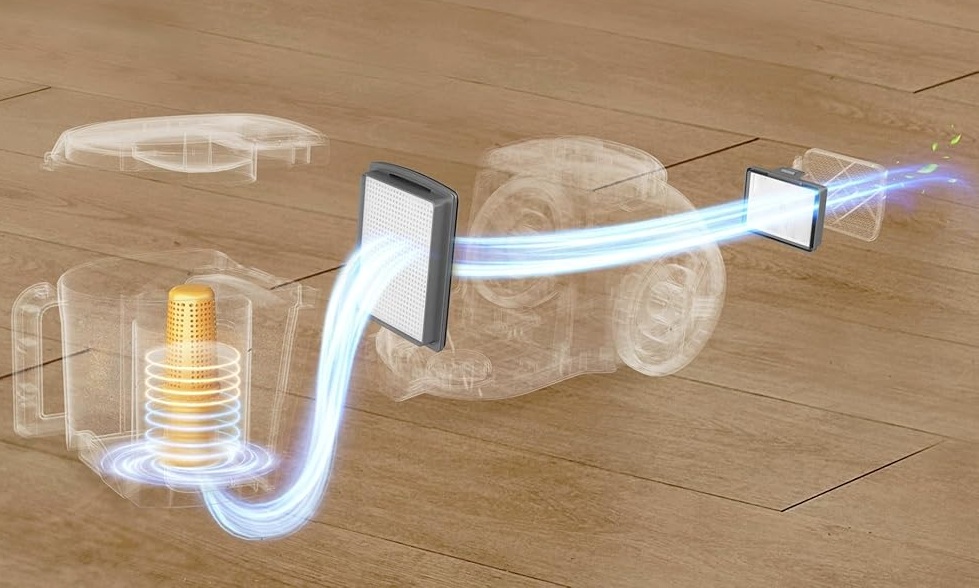
Quality bagless systems use cyclonic separation, maintaining consistent suction as the dirt canister fills. This technology genuinely works. My Dyson maintains strong suction even with a nearly full canister.
Budget bagless models skip true cyclonic engineering, using basic filters instead. These systems lose suction progressively as filters clog. The cyclonic advantage applies only to mid-range and premium bagless models, not universally across the category.

Benefits of Bagged Vacuum Systems
Superior Allergen Containment
This represents the strongest argument for bagged systems. The sealed bag design captures and contains allergens completely. When removing a full bag, you’re not exposed to any collected dust or allergens. Simply remove, bin, done.
For households with asthma, severe allergies, or immune-compromised individuals, this hygienic disposal system provides genuine health benefits. I’ve noticed significantly reduced post-vacuuming allergy symptoms since switching back to bagged systems.
According to allergy research from reputable institutions, sealed bag systems reduce allergen exposure during disposal by 90%+ compared to bagless emptying.
Consistent Suction Performance
Bagged systems maintain steady suction until bags reach absolute capacity. The large surface area of quality bags prevents airflow restriction as they fill. You’re not experiencing a gradual suction decline requiring constant filter cleaning.
This consistency matters for thorough cleaning. I don’t need to empty or clean anything mid-session. I simply vacuum until the bag indicator signals fullness. This convenience improves the actual cleaning experience significantly.
Lower Maintenance Requirements
Bagged systems require minimal regular maintenance beyond bag changes. The bag itself acts as primary filtration, protecting the motor and filters from dust accumulation. Filters last longer, motors run cleaner, and overall system maintenance decreases.
My previous bagless vacuum required monthly filter cleaning and quarterly deep maintenance. My current bagged canister requires only bag changes and annual filter checks. The reduced maintenance time and effort prove valuable.
Quieter Operation Generally
Quality bagged systems typically operate 2-5 decibels quieter than comparable bagless models. The bag material dampens sound slightly, whilst the sealed system reduces air turbulence noise. This subtle difference creates a noticeably more pleasant cleaning experience.
For detailed model recommendations of bagged vacuums, see how specific vacuums rank in our best vacuum cleaners list
Versatility Comparison: What Each System Handles Best
Bagless System Strengths
Bagless vacuums excel at visible debris collection, where you want immediate feedback. Cleaning workshops, garages, or post-renovation dust benefits from seeing exactly what you’ve captured. The transparent canisters provide satisfaction, confirming thorough cleaning.
They also handle variable debris loads well. You can empty the canister whenever convenient rather than committing to full bag usage. This flexibility suits irregular cleaning patterns or seasonal deep-cleaning sessions.
For homes with limited storage space, bagless systems eliminate the need to store replacement bag inventory. This minor convenience adds up for space-constrained flats or small storage cupboards.
Bagged System Strengths
Bagged vacuums excel at routine maintenance cleaning where hygiene matters most. Daily or weekly cleaning in homes with pets, children, or allergy sufferers benefits from sealed allergen containment. The health advantages outweigh convenience factors.
They handle fine dust and allergens more effectively. The large bag surface area captures microscopic particles that might pass through bagless filters. For households prioritising air quality, this filtration advantage proves significant.
Bagged systems suit users who vacuum less frequently but more thoroughly. The larger bag capacity handles extensive cleaning sessions without interruption. I can clean my entire 2,000-square-foot house without emptying or maintenance stops.
Special Use Considerations
For pet owners specifically, both systems work adequately with appropriate features. Bagless models let you see pet hair accumulation clearly. Bagged models contain pet dander and odours more hygienically. Your priority between visibility and hygiene determines which suits you better.
For commercial or heavy-duty use, bagged systems generally prove more practical. The sealed disposal and lower maintenance requirements suit high-volume cleaning operations. Most professional cleaning services use bagged systems exclusively for good reasons.
Environmental Considerations
Bagless Environmental Impact
Bagless advocates claim their systems reduce waste by eliminating disposable bags. This sounds environmentally responsible superficially. However, reality proves more complicated. Bagless systems require regular filter replacements, creating comparable waste.
Most bagless filters aren’t recyclable, going straight to the landfill. The plastic dirt canisters occasionally crack, requiring replacement parts. The cyclone mechanisms contain complex plastic components that eventually wear and need replacing.
The environmental advantage exists but proves smaller than marketing suggests. You’re reducing one waste stream whilst creating others.
Bagged Environmental Impact
Disposable bags obviously create waste. However, modern bags increasingly use biodegradable materials. Some manufacturers offer compostable bags that break down in 6-18 months. This addresses the waste concern partially.
The bags themselves are relatively simple products. Paper or cloth material with cardboard collars. The environmental footprint remains smaller than complex plastic filters and cyclone assemblies.
Additionally, bagged systems often last longer due to better motor protection. The extended lifespan reduces replacement frequency, offsetting disposable bag impact. My grandmother’s Miele bagged canister has operated flawlessly for 18 years. That longevity trumps disposable bag concerns environmentally.
The Real Environmental Winner
Honestly? Neither system wins decisively. The most environmentally responsible choice involves buying quality vacuums lasting 10-15+ years, regardless of format. Premium Miele or SEBO bagged canisters lasting two decades prove more sustainable than replacing cheap bagless uprights every 3-5 years.
According to environmental impact studies, product longevity affects environmental footprint more significantly than bag disposal or filter replacements. Focus on durability over format when prioritising environmental responsibility.
Noise Level Comparison
Bagless Vacuum Noise
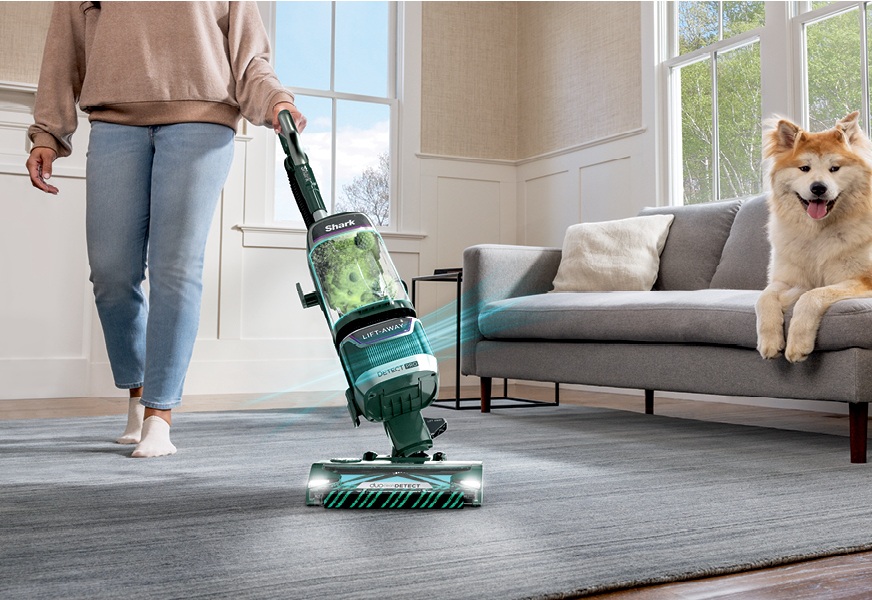
Bagless systems typically operate at 72-80 decibels. The cyclonic air separation creates additional turbulence noise beyond motor sound. Budget models frequently exceed 80 decibels, approaching uncomfortably loud levels.
The transparent plastic canisters don’t dampen sound effectively. The hard surfaces reflect and amplify motor noise. This creates a subjectively louder operation even at similar decibel measurements to bagged alternatives.
Premium bagless models from Dyson achieve 68-73 decibels through improved engineering. However, they still operate noticeably louder than premium bagged equivalents. The format itself creates inherent sound generation challenges.
If you’re comparing specific models, check out our guide to the best bagless vacuum cleaners to see top-rated options
Bagged Vacuum Noise
Quality bagged systems operate at 65-72 decibels. The bag material absorbs and dampens sound naturally. The sealed design reduces air turbulence noise. This creates noticeably quieter operation in daily use.
Premium bagged canisters like Miele achieve whisper-quiet 65-68 decibel operation. You can vacuum whilst others watch television without excessive disruption. Early morning or late evening cleaning becomes feasible without disturbing sleeping family members.
Budget bagged uprights offer no noise advantage over budget bagless models. Both cheap formats operate at 75-80+ decibels. The quiet operation advantage applies primarily to premium bagged systems.
Practical Noise Impact
For noise-sensitive households, the 5-10 decibel difference between premium bagged and bagless systems matters genuinely. This represents roughly halving the perceived loudness. That’s significant for daily quality of life.
For households unconcerned about noise, this advantage holds minimal value. Focus on other differentiating factors instead.
Brand Reputation and Reviews for Both Systems
Leading Bagless Brands
Dyson dominates the premium bagless market share. Their cyclonic technology genuinely works well. Prices reach $400-700. Reviews consistently praise suction power and innovative features whilst noting high costs and occasional reliability concerns with electronic components.
Shark offers excellent bagless value at $150-350. Their models deliver strong performance-to-price ratios. Reviews praise affordability and pet hair capabilities, whilst noting durability concerns after 3-5 years of heavy use.
Bissell provides budget bagless options starting around $100-200. They suit tight budgets needing basic functionality. Reviews consistently note adequate performance for the price, whilst warning about limited longevity and build quality.
Leading Bagged Brands
Miele represents the bagged system gold standard. German engineering delivers exceptional quality. Prices reach $600-1,400. Reviews universally praise longevity and performance whilst noting premium pricing. Their vacuums genuinely last 15-20 years with proper maintenance.
Oreck produces lightweight bagged uprights popular with elderly users. Prices range $300-500. Reviews praise exceptional lightness and reliability whilst noting smaller dirt capacity and higher bag costs than competitors.
Hoover offers budget bagged options across various price points. Quality varies significantly between budget and premium lines. Reviews remain mixed, with budget models disappointing whilst mid-range options deliver decent value for money.
Budget-Friendly Options in Both Categories
Budget Bagless Recommendations
For households needing functional bagless performance under $200, the Bissell CleanView delivers surprising value. It lacks premium cyclonic technology but captures debris adequately on carpets and hard floors. Expect a 3-4 year lifespan with proper maintenance and realistic expectations.
The Shark Navigator, frequently available for around $180-220, represents outstanding mid-budget value. Lift-away design adds versatility. HEPA filtration protects allergy sufferers adequately. The 5-year warranty provides security. This price point delivers legitimate performance without excessive compromise.
Avoid ultra-budget bagless models under $100. They universally deliver disappointing suction, clog frequently, and break within 1-2 years. Saving an extra $50-80 reaches meaningful quality improvements, justifying the additional investment.
Budget Bagged Recommendations
Budget bagged options prove surprisingly limited. Most quality bagged systems start around $250-300. The added complexity of bag mechanisms requires decent engineering, justifying higher base pricing.
The Hoover WindTunnel bagged models, available for around $150-200, represent a reasonable budget compromise. They provide adequate suction, decent reliability, and acceptable bag costs. Expect a 5-7 year lifespan rather than a premium 15+ years.
For truly tight budgets under $150, honestly consider a budget bagless instead. A $120 bagless upright typically outperforms a $120 bagged equivalent significantly. Bagged systems reward investment in mid-range or premium models where their advantages shine properly.
When Splurging Makes Sense
Invest in premium models if you’re seeking long-term value, if you suffer allergies requiring superior filtration, if you value whisper-quiet operation, or if you want genuinely low maintenance requirements. Premium vacuums costing $400-800 legitimately last 10-15+ years whilst delivering a superior daily experience.
Save with budget models if you’re renting short-term, if you have minimal square footage, or if you need a temporary, adequate solution. Budget models provide functional service for 3-5 years before requiring replacement.
Maintenance Requirements Comparison
Bagless System Maintenance
Bagless vacuums demand regular hands-on maintenance. Empty the dirt canister after each use or when approaching full. Clean foam filters monthly under running water. Allow filters to dry completely (24+ hours) before reinstalling.
Replace filters every 6-12 months, depending on usage intensity. Replacement costs vary from $15-40. Clean the cyclone chamber quarterly, removing accumulated fine dust. Check for clogs monthly in the dirt canister connections.
This regular maintenance prevents performance degradation. Neglect creates suction loss, unpleasant odours, and potential motor damage. The hands-on requirements suit users comfortable with regular appliance maintenance.
Bagged System Maintenance
Bagged systems require minimal regular maintenance beyond bag changes. Replace bags when the indicator signals fullness, typically monthly with regular use. Check pre-motor filters annually. Clean or replace post-motor filters every 1-2 years.
The bag itself protects internal components from dust accumulation. Motors run cleaner longer. Filters last significantly longer. Overall maintenance time decreases dramatically compared to bagless equivalents.
My bagged Miele requires perhaps 15 minutes of annual maintenance beyond bag changes. My previous bagless Shark demanded 30-45 minutes monthly. The time savings accumulate significantly over the years of ownership.
Long-Term Maintenance Costs
Over 10 years, bagless systems cost approximately $150-400 in filters, depending on quality. Bagged systems cost $300-400 in bags. However, bagged systems typically require fewer repair costs due to better motor protection.
The maintenance time difference matters potentially more than money. If you value convenience and minimal involvement, bagged systems prove objectively superior. If you don’t mind hands-on maintenance, bagless systems work fine.
For detailed model recommendations of bagged vacuums, see how specific vacuums rank in our best vacuum cleaners list
Warranty Coverage Comparison
Bagless Vacuum Warranties
Budget bagless models typically provide 1-2 year limited warranties. Mid-range Shark models offer 5-year coverage, suggesting manufacturer confidence. Premium Dyson models include 5-year warranties with mixed customer service experiences reported.
Warranties typically exclude normal wear items like filters, brush rolls, and belts. They cover manufacturing defects and component failures. Extended warranties through retailers rarely justify additional costs based on actual claim statistics.
The shorter warranties on budget models reflect realistic 3-5 year lifespans. Plan accordingly when budgeting long-term.
Bagged Vacuum Warranties
Budget bagged models similarly offer 1-2 year coverage. Premium Miele models include a 1-year standard warranty but demonstrate exceptional longevity, eliminating typical warranty concerns through superior build quality.
Some manufacturers offer extended warranties up to 10 years for premium models. These extended coverages suggest confidence whilst protecting substantial investments.
Warranty Practical Considerations
Honestly, build quality matters more than warranty duration. A 5-year warranty on a vacuum expected to last 15+ years provides minimal practical value. Conversely, a 1-year warranty on vacuums likely failing after 4 years leaves you unprotected for the majority of the useful life.
Focus on realistic longevity expectations based on build quality and verified user reviews rather than warranty duration alone. Premium products justify investment through decades of reliable service, regardless of official warranty coverage.
Common Cleaning Challenges and Solutions
Challenge: Declining Suction Performance
Bagless systems lose suction gradually as filters clog. This frustrates users who don’t realise maintenance is required. The solution involves cleaning foam filters monthly and replacing them every 6-12 months. Check for cyclone clogs quarterly.
Bagged systems maintain consistent suction until bags reach absolute capacity. If suction declines, check for hose clogs or full bags. The solution proves simpler typically.
Challenge: Unpleasant Odours
Bagless canisters develop odours from accumulated bacteria in moist environments. Empty canisters immediately after use. Wash canisters monthly with mild detergent. Ensure complete drying before reassembly. Replace filters regularly as old filters harbour bacteria.
Bagged systems rarely develop odours as everything stays sealed within disposable bags. If odours occur, change bags more frequently or check for spills in the bag compartment requiring cleaning.
Challenge: Dust Exposure During Emptying
Bagless emptying inevitably releases some dust regardless of technique. Empty outside when possible. Hold your breath whilst emptying. Consider wearing a simple dust mask for severe allergies.
Bagged systems eliminate this challenge through sealed disposal. For allergy sufferers, this advantage alone often justifies the bagged choice.
Challenge: Running Out of Bags
Keep spare bags in storage always. Order replacements when you open your last package rather than waiting until you’ve used the final bag. This prevents inconvenient shopping trips mid-cleaning.
Bagless systems eliminate this specific challenge. However, you still need replacement filters eventually. Stock these similarly.
Challenge: Filter Maintenance Timing
Set monthly phone reminders for filter cleaning. Mark your calendar when installing new filters, noting their expected replacement date. Proactive scheduling prevents forgetting until performance degrades noticeably.
This applies primarily to bagless systems requiring regular filter attention.
Tips for Maximising Cleaning Efficiency
Empty or Change at Appropriate Times
Bagless users often wait until canisters reach absolute capacity. This reduces suction progressively. Empty when canisters reach 70-80% full, maintaining optimal airflow and suction power throughout cleaning sessions.
Bagged users sometimes extend bag life excessively, overfilling bags and reducing suction. Change bags when indicators signal fullness rather than trying to squeeze extra use.
Maintain Filters Diligently
Clean bagless filters monthly without fail. This single habit maintains performance better than any other maintenance task. Set recurring reminders, ensuring consistency.
Check bagged system filters annually. Replace when they appear discoloured or clogged despite cleaning attempts.
Vacuum in Systematic Patterns
Start at room corners, work toward exits. Overlap passes slightly, ensuring complete coverage. This systematic approach works regardless of bag or bagless format.
Multiple-direction vacuuming extracts more embedded dirt. Vacuum north-south, then east-west. The cross-pattern lifts the carpet pile more effectively.
Address Spills Immediately
Fresh spills vacuum easily. Dried spills require significantly more effort. Immediate response prevents stains whilst maintaining carpet appearance over the years.
This applies equally to both bagless and bagged systems. Neither format offers advantages for dried spill removal.
Store Properly Between Uses
Store vacuums in dry areas. Moisture creates mould and odours in both bagless canisters and bagged compartments. Ensure complete drying if any components got wet during cleaning.
Proper storage extends lifespan significantly regardless of the chosen format.
If you’re comparing specific models, check out our guide to the best bagless vacuum cleaners to see top-rated options
Frequency of Use Recommendations
Daily Light Maintenance
High-traffic entryways and kitchen floors benefit from daily spot-cleaning. This prevents tracked dirt from spreading throughout your home. Quick daily touchups reduce weekly deep-clean requirements.
Either format handles daily light use adequately. Bagless provides visual satisfaction in seeing daily debris accumulation. Bagged offers convenience without emptying after every use.
Weekly Thorough Cleaning
Most households benefit from comprehensive weekly vacuuming of all floors and furniture. This maintains baseline cleanliness, preventing dirt accumulation and embedding.
For average homes around 1,200 square feet, weekly cleaning requires 30-40 minutes. Larger homes may need 50-70 minute,s depending on layout complexity and furniture density.
Monthly Deep Cleaning
Move furniture monthly for thorough underneath cleaning. Vacuum often-neglected areas like ceiling corners and air vents. Clean upholstery and mattresses.
Bagged systems handle these deep sessions excellently through larger bag capacity and consistent suction. Bagless systems require mid-session emptying occasionally during extensive cleaning.
Seasonal Maintenance Cleaning
Quarterly seasonal cleans tackle rarely-addressed areas. Wash or replace vacuum filters. Deep-clean drapery. Vacuum mattresses thoroughly. Address garage or workshop areas.
These infrequent but thorough sessions prevent long-term allergen accumulation, maintaining genuinely healthy home environments.
Storage Solutions for Both Systems
Bagless Storage Considerations
Bagless vacuums store like traditional vacuums. Most models stand independently without wall mounting. Simply park them in cupboards, corners, or utility spaces.
However, you’re not storing replacement bag inventory. This saves minimal space but eliminates one storage concern.
Clean and dry dirt canisters before extended storage. Residual dust and moisture create odours and potential mould growth during prolonged storage periods.
Bagged Storage Considerations
Bagged vacuums require similar storage space plus storage for replacement bag inventory. Keep 6-12 months of bags in dry storage areas. This prevents emergency shopping trips when bags run out.
Store bags in their original packaging, protecting them from moisture and crushing. Damaged bags don’t seal properly, creating performance issues and messes.
Creative Storage Solutions
Install pull-out cupboard systems, creating dedicated vacuum storage. Use over-door organisers for accessory storage. Repurpose shallow hall cupboards for vacuum equipment.
Wall-mounted storage works for either format. However, ensure adequate space for both the vacuum and either bagless canister access or bagged inventory storage.
The storage differences between formats prove minimal practically. Both require similar space, with bagged systems needing modest additional space for replacement bag storage.
Bagless Vacuums vs Bagged Vacuums Conclusion
After extensive experience with both systems, I’ve reached honest conclusions about bagless vacuums vs bagged vacuums that won’t satisfy those seeking simple universal recommendations. Neither system wins categorically. Each excels for specific households, whilst disappointing others.
Choose bagless if you want to avoid ongoing bag purchases, if you value seeing exactly what you’ve collected, if you don’t suffer significant allergies, or if you don’t mind regular hands-on maintenance. Budget-conscious shoppers often lean bagless, though long-term costs prove surprisingly similar to bagged alternatives.
Choose bagged if you prioritise allergen containment, if you want minimal maintenance involvement, if you value consistent suction performance, or if you’re investing in premium quality lasting decades. Allergy sufferers particularly benefit from sealed hygienic disposal, eliminating dust exposure.
My personal choice? I’ve returned to bagged systems after years with bagless. The reduced maintenance, better allergen containment, and quieter operation justify the modest bag costs for my situation. However, I completely understand why others prefer bagless transparency and convenience.
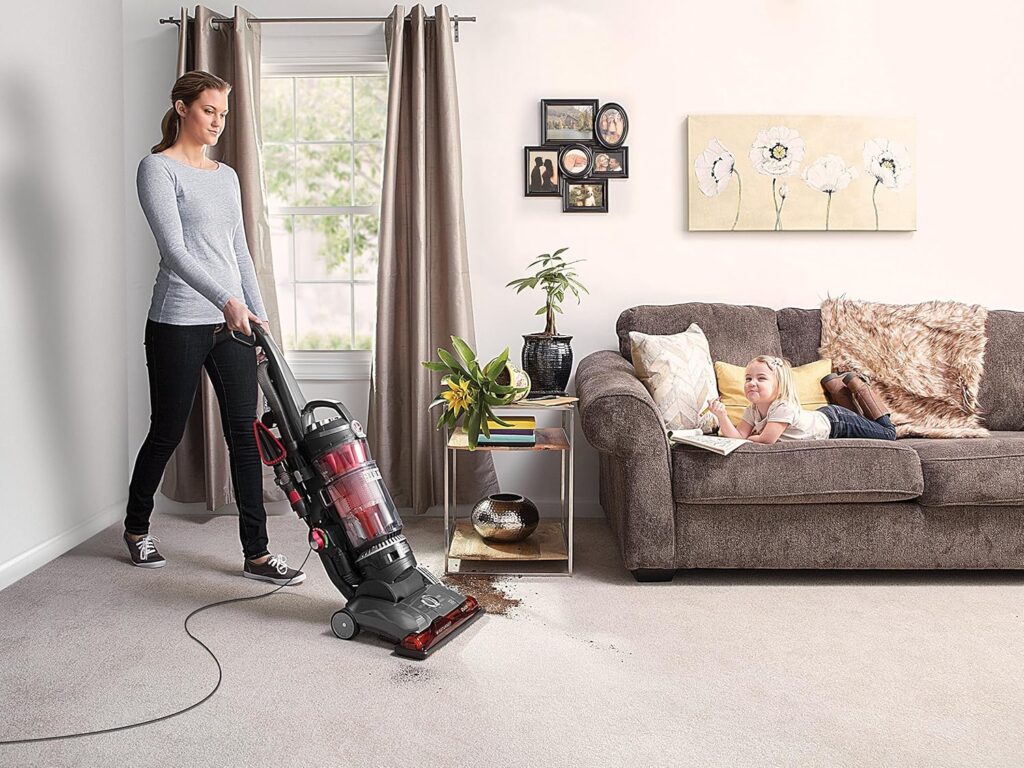
The truth about bagless vacuums vs bagged vacuums is that both work excellently when matched appropriately to user priorities. Analyse your specific needs honestly. Consider your allergy situation realistically. Evaluate your tolerance for maintenance and dust exposure. The format matters less than selecting quality models suited to your specific requirements and realistic usage patterns.
Don’t let marketing sway you. Both systems have genuine advantages and real limitations. Choose based on your actual priorities rather than theoretical benefits that won’t matter in your daily cleaning reality.