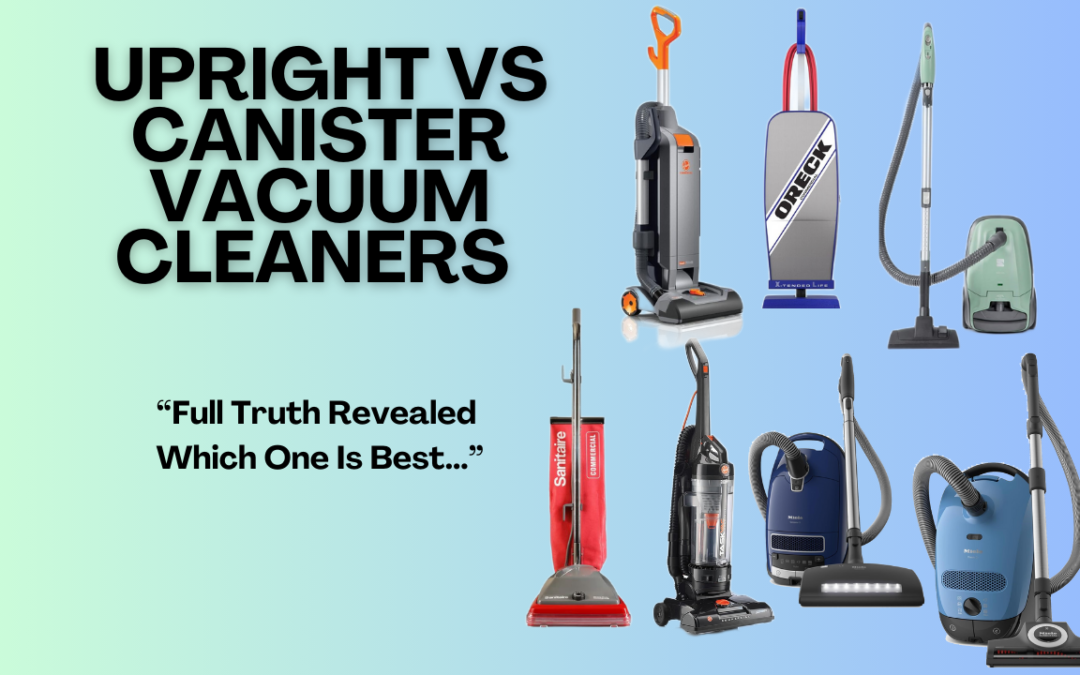
Standing in the vacuum aisle, feeling utterly overwhelmed by the choices? I’ve been there. You’re staring at rows of upright vacuum cleaners on one side and sleek canister models on the other, wondering which one actually suits your home best. The upright vs canister vacuum cleaners debate has confused shoppers for decades, and today I’m going to clear up the confusion based on years of testing both formats extensively.
I’ll admit something upfront. I used to think uprights were categorically better. They looked more substantial, felt more “proper,” and dominated the market in my area. Then I tested a quality canister vacuum for three months and completely changed my perspective. Neither format is universally superior. Each excels in specific situations whilst struggling in others.
What frustrates me about this debate is how marketing teams oversimplify the comparison. They’ll claim their format “destroys” the competition or solves every cleaning problem imaginable. Reality proves far more nuanced. Your home size, flooring types, storage space, and physical abilities all dramatically influence which vacuum format serves you best.
I’ve spent years testing dozens of both upright and canister vacuums across various homes, floor types, and cleaning scenarios. I’ve hauled them upstairs, wrestled them around furniture, compared their deep-cleaning performance, and dealt with their respective maintenance headaches. This guide shares everything I’ve learned through genuine hands-on experience rather than regurgitated marketing claims.
Now, let me walk you through exactly what differentiates these vacuum formats and help you determine which genuinely suits your needs.
Understanding Upright vs Canister Vacuum Cleaners
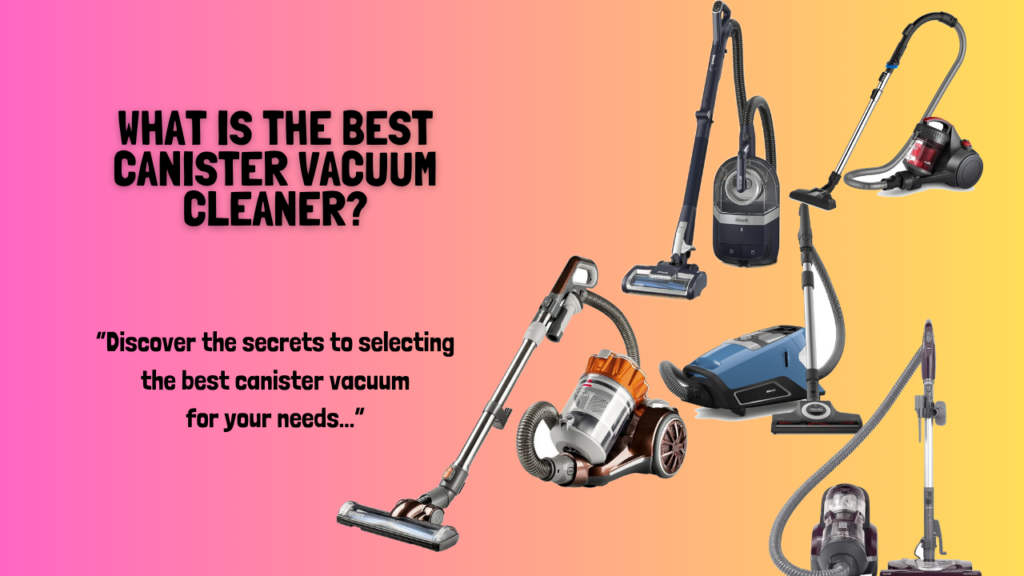
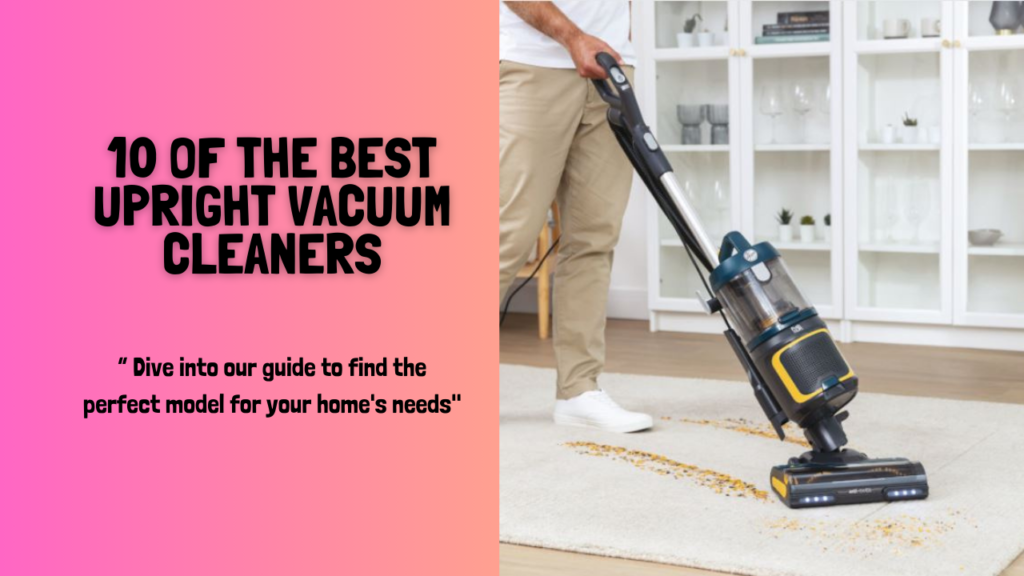
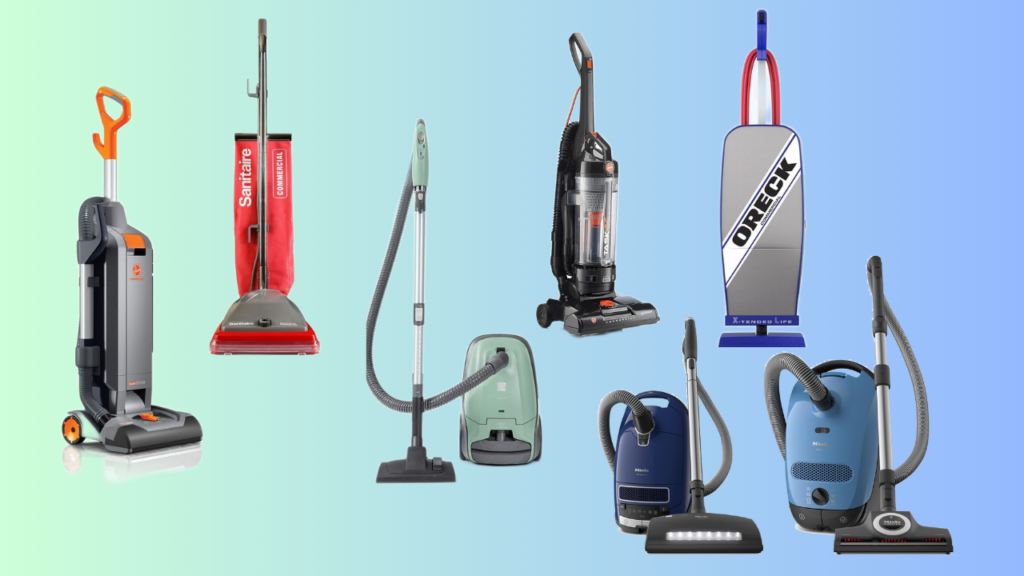
The fundamental difference between upright vs canister vacuum cleaners centres on basic design philosophy. Uprights integrate everything into a single vertical unit that you push across floors. Canisters separate the motor and dirt collection into a wheeled unit that trails behind whilst you manoeuvre a lightweight wand and cleaning head.
This basic design difference creates cascading implications for weight distribution, manoeuvrability, storage, and cleaning versatility. Understanding these core distinctions helps you evaluate which format matches your specific situation rather than blindly following marketing promises or neighbour recommendations.
Uprights dominated the market for decades, particularly in North America. They felt intuitive, familiar, and straightforward. You simply push them across carpets like a manual lawn mower. However, canisters have gained significant popularity recently as consumers discover their versatility advantages and European manufacturers have expanded into global markets.
Neither format represents objectively superior engineering. They’re different tools optimised for different priorities. Choosing between them resembles choosing between a saloon car and an SUV. Both transport you reliably, but one suits motorway commuting whilst the other handles off-road adventures better.
According to Consumer Reports’ vacuum testing, performance differences within each category exceed differences between categories. A premium canister outperforms budget uprights dramatically, whilst premium uprights exceed budget canisters significantly. Format matters less than quality and feature set for your specific needs.
The key lies in honestly assessing your home’s characteristics, your physical capabilities, and your cleaning priorities before committing to either format.
For comprehensive upright vacuum recommendations, visit our buying guide comparing top-rated options at every price point
What to Look for When Choosing Between Upright and Canister Vacuums
Your Primary Floor Type
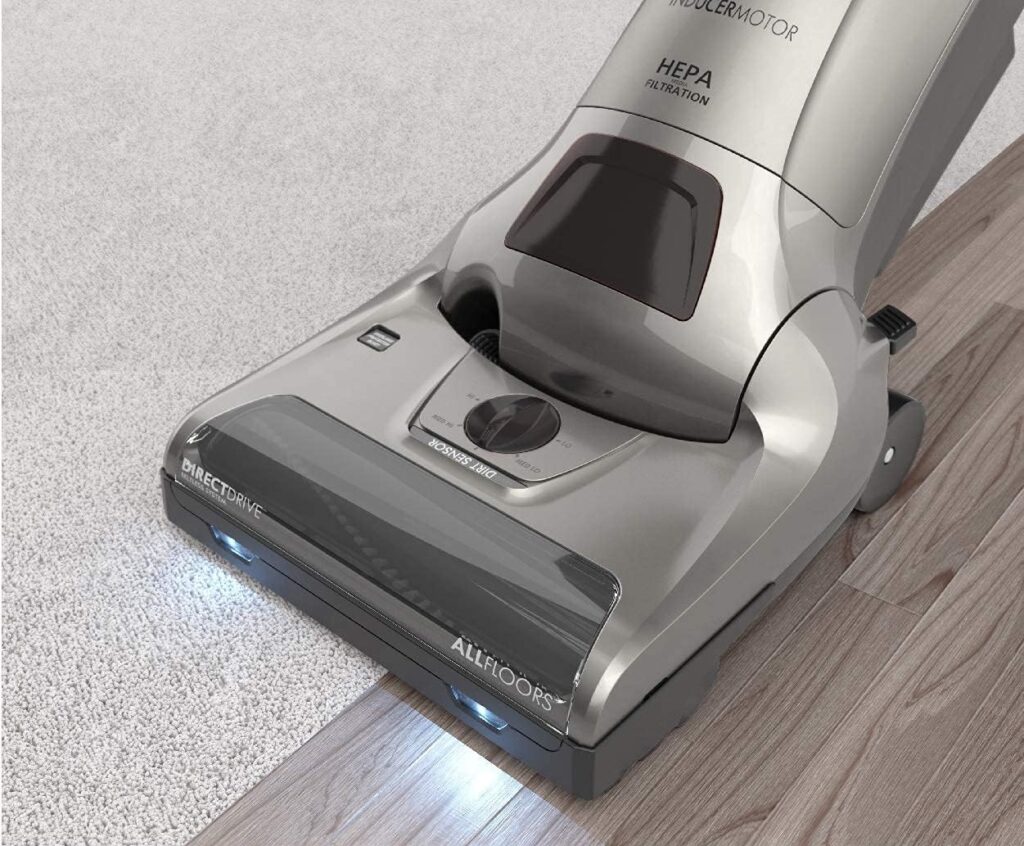
Flooring composition dramatically influences which vacuum format serves you best. Uprights traditionally excel on wall-to-wall carpeting. Their weight pushes the brush roll deep into the carpet pile, providing excellent agitation for embedded dirt extraction. The direct airflow path from the floor head to the dirt collection maximises suction efficiency on carpets.
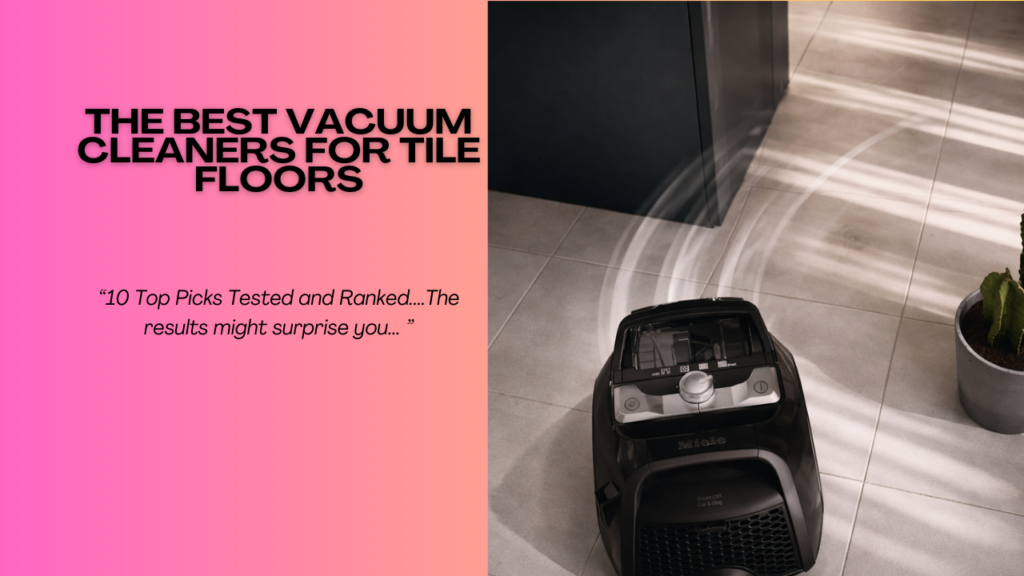
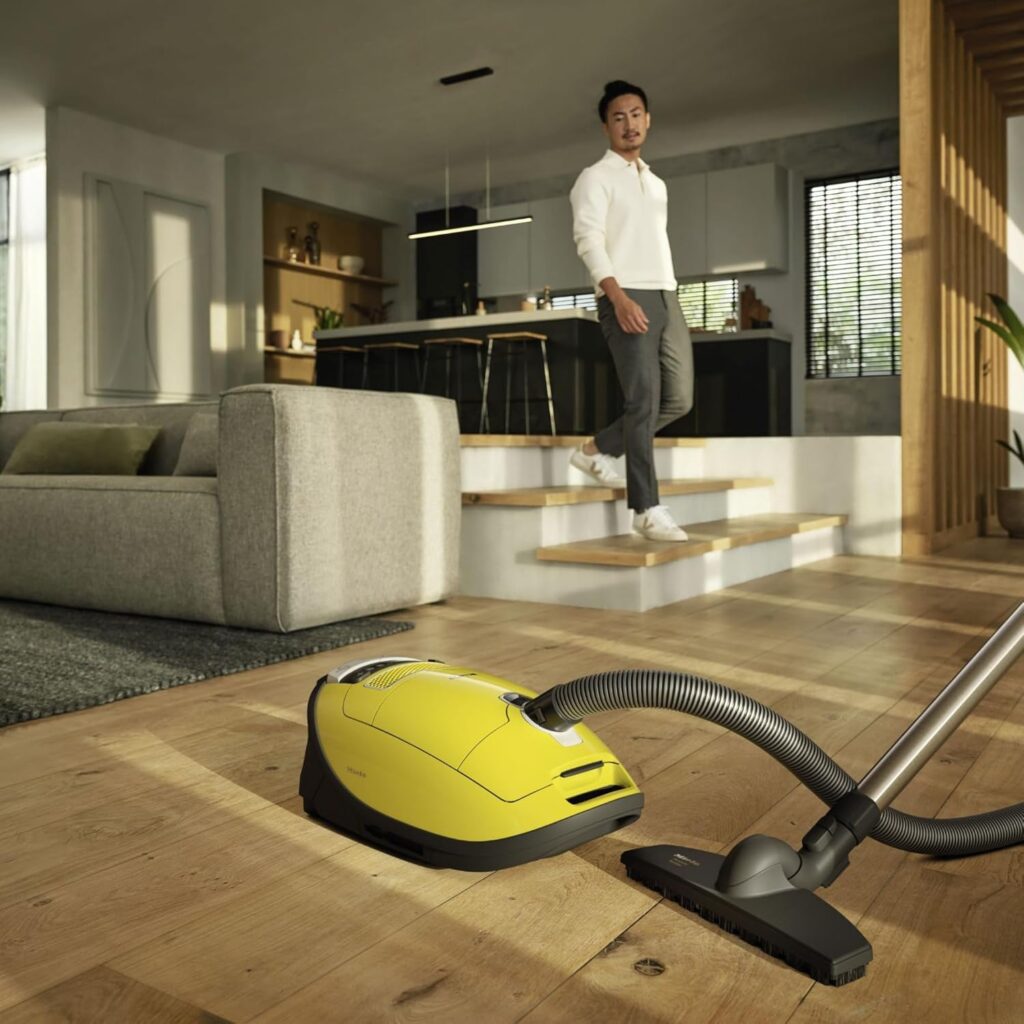
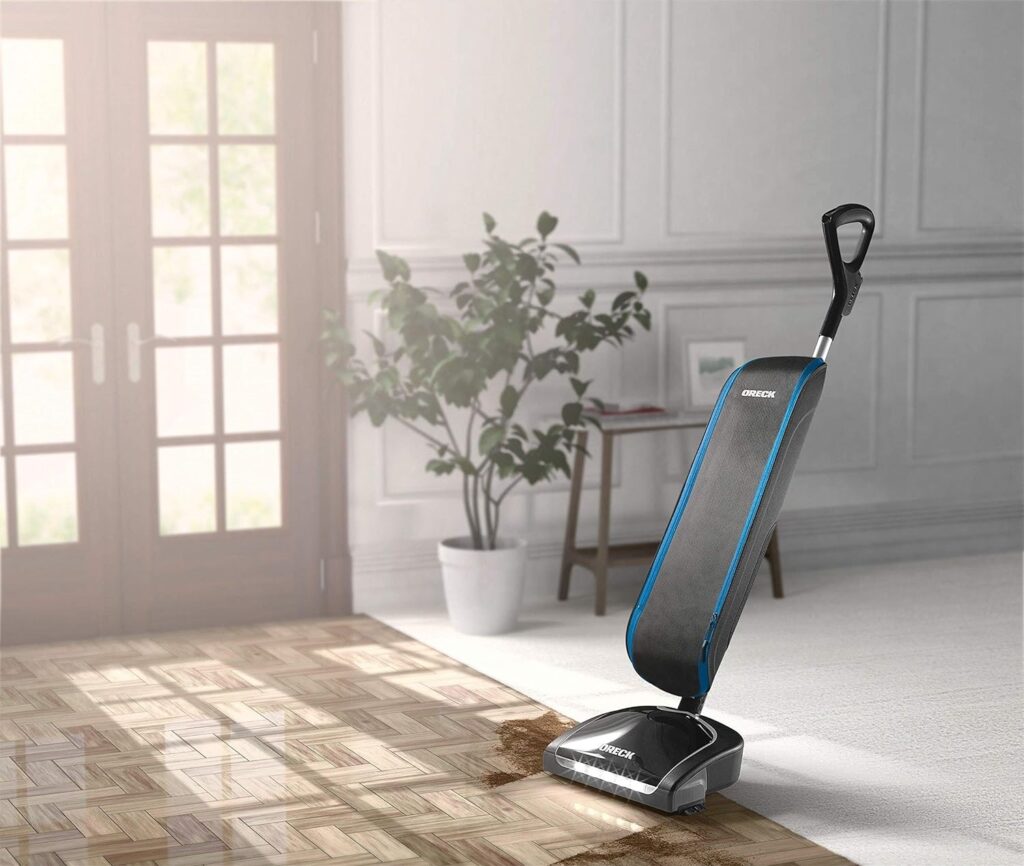
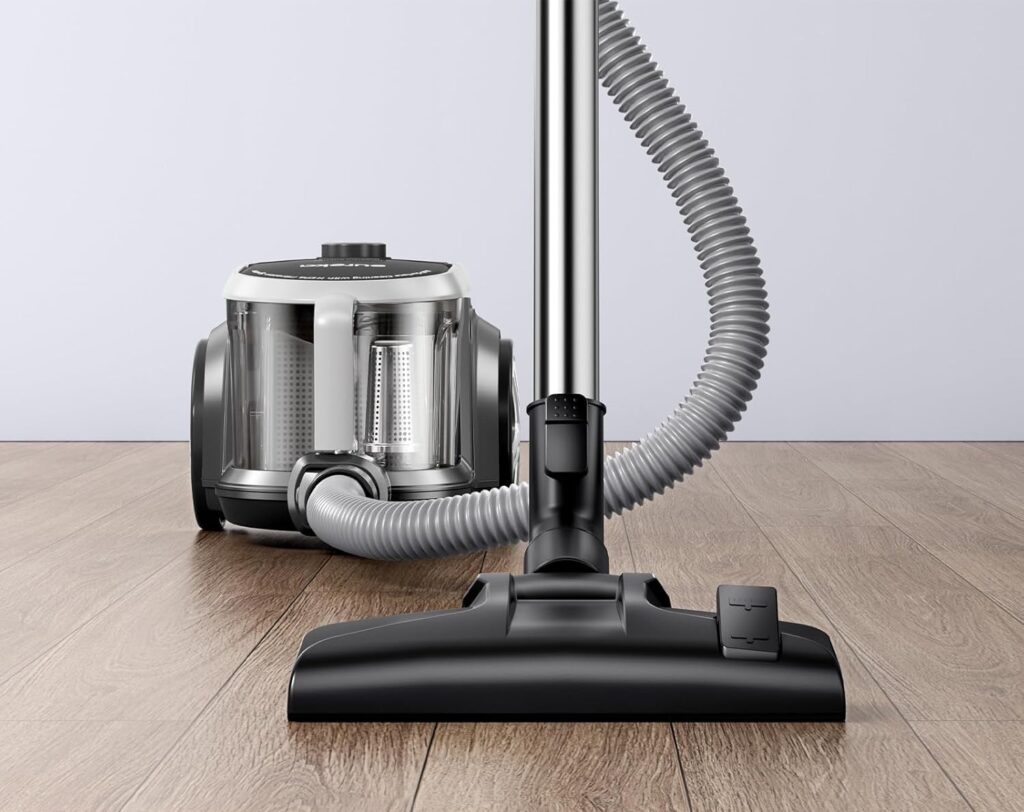
Canisters historically dominated hard floor cleaning. The separate motor unit allows lighter, more manoeuvrable floor heads that won’t scratch delicate surfaces. Premium canisters include dedicated parquet brushes with soft bristles and gentle suction specifically engineered for hardwood, laminate, and tile.
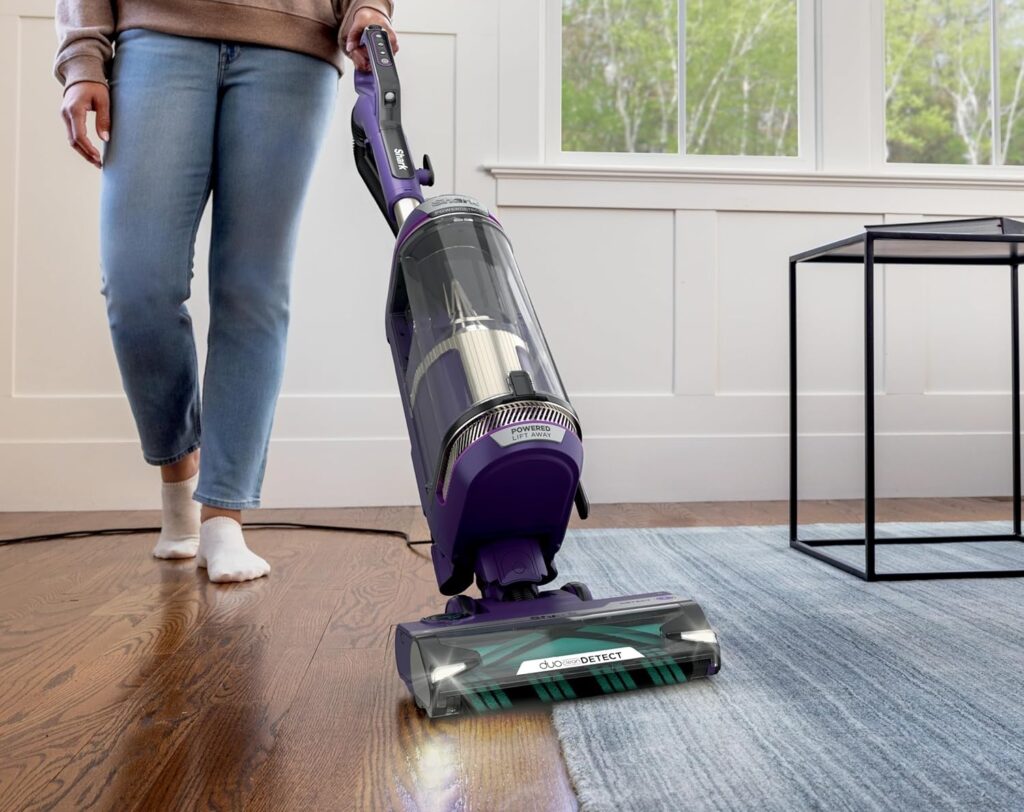
However, modern technology blurs these traditional distinctions. High-end uprights now include excellent hard floor modes with brush roll shutoff. Quality canisters feature powerful electrobrush heads rivalling upright carpet performance. The old assumptions no longer hold universally.
For homes with mixed flooring, canisters generally provide more versatility through interchangeable floor heads optimised for different surfaces. Uprights require manual brush roll disengagement when transitioning to hard floors, which many users forget, potentially scratching delicate surfaces.
Your Home Size and Layout
Home size significantly impacts vacuum format suitability. Small flats under 800 square feet often suit uprights better. The compact footprint, straightforward operation, and adequate dirt capacity handle limited square footage efficiently.
Medium homes between 800-2,000 square feet work well with either format, depending on layout complexity. Open-plan layouts with minimal furniture suit uprights. Homes with numerous rooms, tight corners, and extensive furniture benefit from canister manoeuvrability.
Large homes exceeding 2,000 square feet generally favour canisters. The extended hose reach reduces outlet changes during whole-home cleaning. The larger dirt capacity handles extensive square footage without constant emptying. However, quality uprights with substantial dirt tanks and long cords compete adequately.
Multi-storey homes present special considerations. Uprights weigh 15-20 pounds typically, making stair transport exhausting. Canisters separate into lighter components, though you’re still hauling equipment between levels. Some households maintain separate vacuums per floor, avoiding stair transport entirely.
Physical Capabilities and Comfort
Your physical condition profoundly influences vacuum format preference. Uprights require pushing and pulling across floors continuously. This suits people with good upper body strength and mobility, but challenges elderly users or those with back problems.
Canisters demand less sustained pushing effort since you’re only manoeuvring the lightweight wand. However, they require bending to move the canister unit around furniture and bending to retrieve it after it catches on obstacles. The trailing canister frustrates some users, whilst others appreciate the reduced pushing effort.
For users with limited mobility or chronic pain, lightweight cordless stick vacuums often prove more manageable than either traditional format. However, that’s a separate category outside this comparison’s scope.
Benefits of Upright Vacuum Cleaners
Uprights deliver several compelling advantages, making them the preferred choice for many households. Understanding these strengths helps you determine if upright format aligns with your priorities.
Carpet Deep-Cleaning Excellence
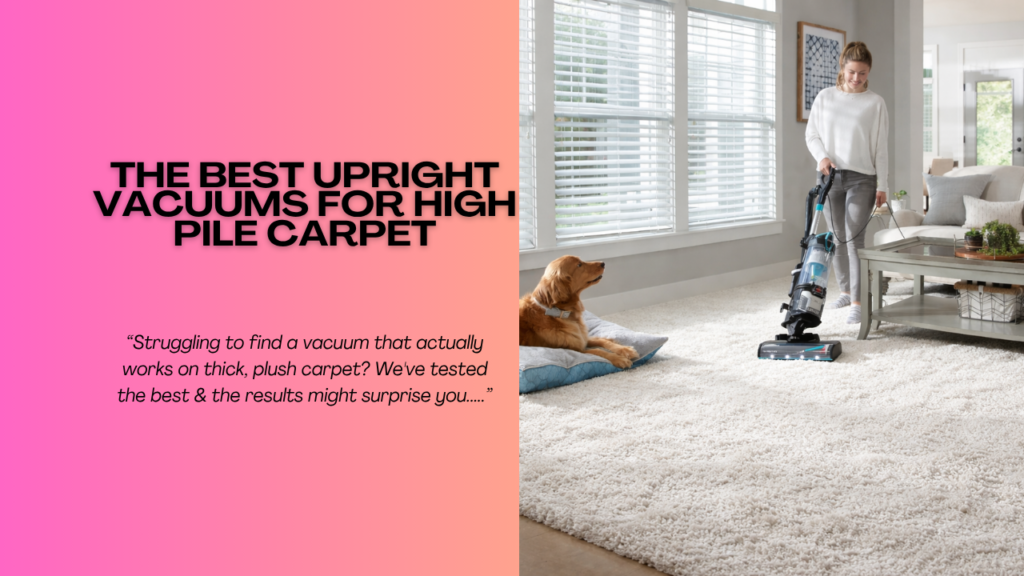
Uprights excel at deep carpet cleaning through superior weight distribution. The motor, dirt collection, and user weight all press directly onto the carpet surface. This creates excellent brush roll contact and agitation, extracting embedded dirt, dust, and pet hair from deep within carpet fibres.
I’ve tested this repeatedly by vacuuming carpet sections with canisters, then immediately re-vacuuming with uprights. The upright consistently captures additional debris the canister missed. For homes with predominantly wall-to-wall carpeting, this advantage proves significant.
Straightforward Intuitive Operation
Uprights offer dead-simple operation. Plug in, turn on, push forward, pull back. There’s no trailing canister catching on furniture legs. No hose management. No switching between different floor heads. This simplicity suits users wanting uncomplicated cleaning without fussing with components.
My elderly mother, for example, refuses canisters entirely. She finds the trailing unit confusing and frustrating. Her basic upright suits her perfectly despite its limitations on hard floors and furniture.
Typically Lower Price Points
Budget uprights start around $50-100, providing functional basic cleaning for tight budgets. Whilst budget canisters exist at similar prices, they typically offer inferior suction and durability. The upright format allows manufacturers to deliver adequate performance at lower price points more easily.
Quality mid-range uprights costing $200-400 deliver excellent value. Comparable canister performance requires $300-500 typically. Premium uprights reach $400-700, whilst premium canisters extend to $800-1,400. For budget-conscious shoppers, uprights generally provide better value at each price tier.
Built-In Cleaning Tools
Modern uprights include integrated hoses and attachments for above-floor cleaning. Extension wands, crevice tools, and upholstery attachments store onboard, always accessible. This convenience eliminates searching cupboards for separate attachments.
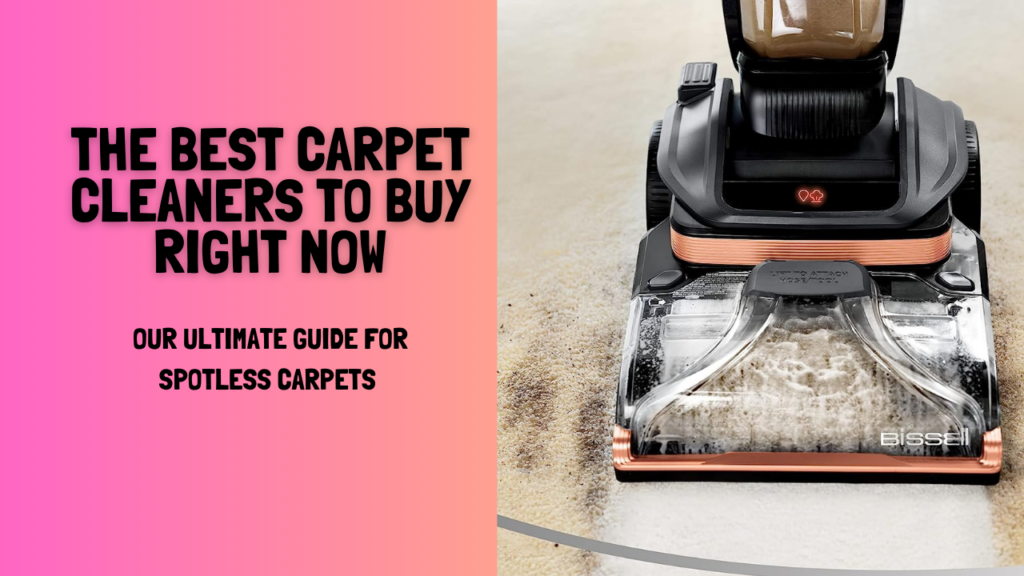
The quick-release wands on models like the Bissell Pet Hair Eraser provide instant furniture cleaning capability. This integration suits users wanting self-contained cleaning systems without managing separate components.
Benefits of Canister Vacuum Cleaners
Canisters deliver distinct advantages that make them preferable for many households, particularly those prioritising versatility and manoeuvrability over straightforward simplicity.
Superior Manoeuvrability and Reach
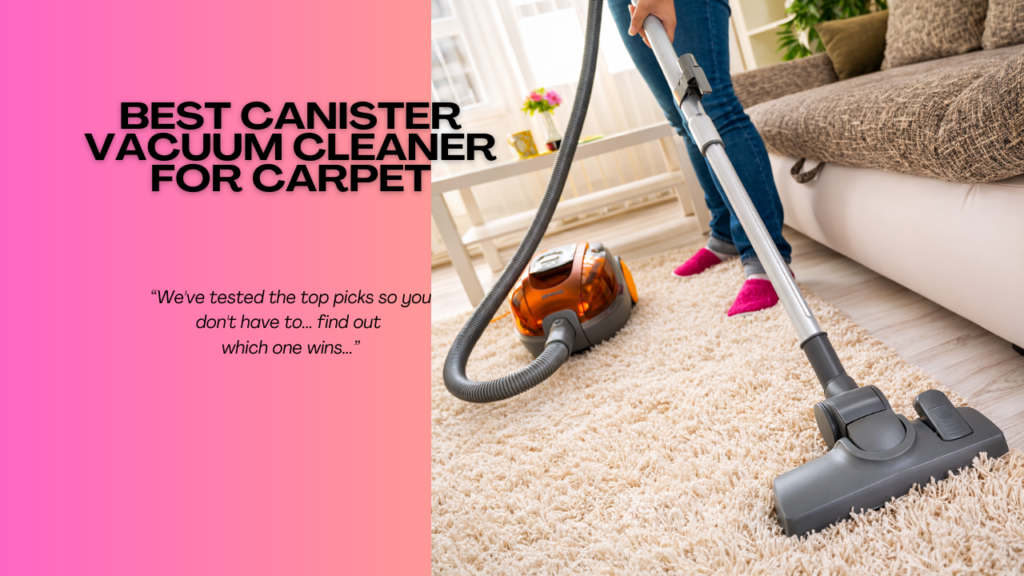
The separated design allows you to slide the lightweight wand and floor head under furniture, around tight corners, and into confined spaces effortlessly. The flexible hose provides extended reach without moving the main unit. This proves invaluable for homes with extensive furniture or complicated layouts.
I recently helped a friend clean her flat, packed with antique furniture and decorative items. My upright required constantly moving furniture or awkward angling. Her canister slid under everything effortlessly, completing the task in half the time.
Hard Floor Cleaning Excellence
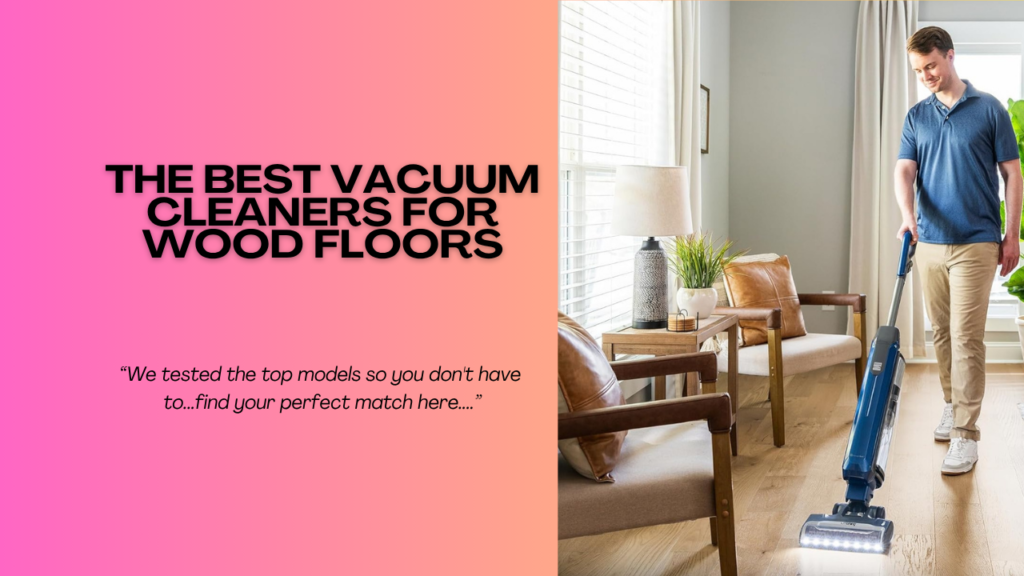
Dedicated parquet brushes with soft bristles and gentle suction clean hard floors beautifully without scratching. The lighter floor head manoeuvres easily without the heavy motor weight, potentially damaging delicate surfaces. For homes with predominantly hardwood, laminate, or tile, canisters provide superior protection and cleaning.
Remarkable Versatility
Interchangeable floor heads optimise performance for specific surfaces. Carpet powerheads for deep pile. Parquet brushes for hard floors. Upholstery tools for furniture. Crevice tools for tight spaces. This versatility suits homes with varied surfaces and extensive cleaning needs.
I use my canister vacuum for everything from ceiling cobwebs to car interiors to workshop cleanup. The varied attachments handle diverse tasks that would require multiple specialised devices otherwise.
Quieter Operation Generally
The separated motor-in-canister design typically produces quieter operation than uprights with motors positioned near your head. Premium canisters operate whisper-quiet at 65-70 decibels. This matters for homes with sleeping children, shift workers, or noise-sensitive residents.
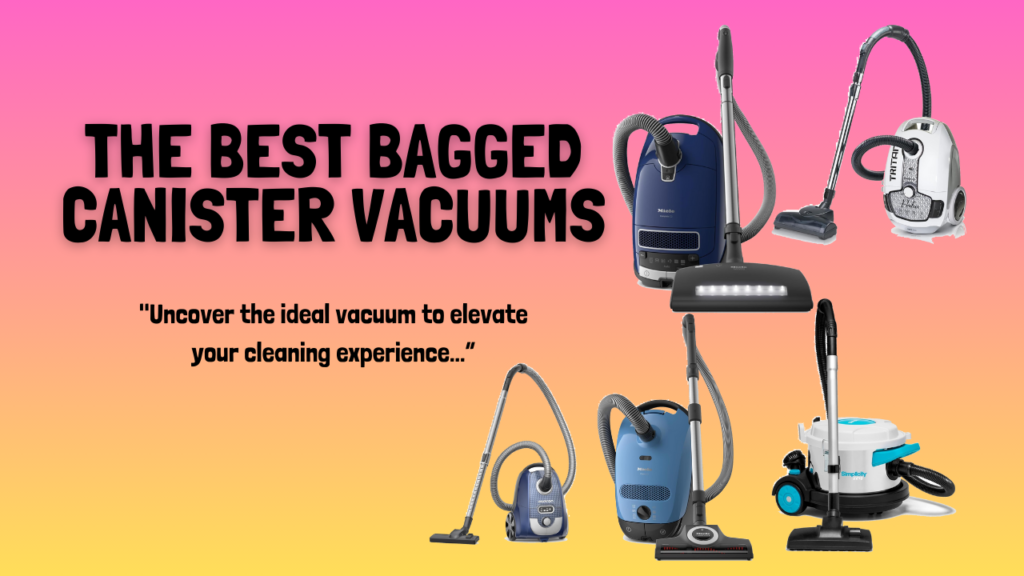
For comprehensive canister vacuum recommendations, visit our buying guide comparing top-rated options at every price point
Versatility Comparison: What Tasks Each Format Handles
Upright Vacuum Versatility
Uprights specialise in floor cleaning, particularly wall-to-wall carpeting. They handle this primary task excellently but offer limited versatility beyond it. The integrated hose and attachments provide basic above-floor capability, though the heavy unit makes extended furniture or ceiling cleaning awkward.
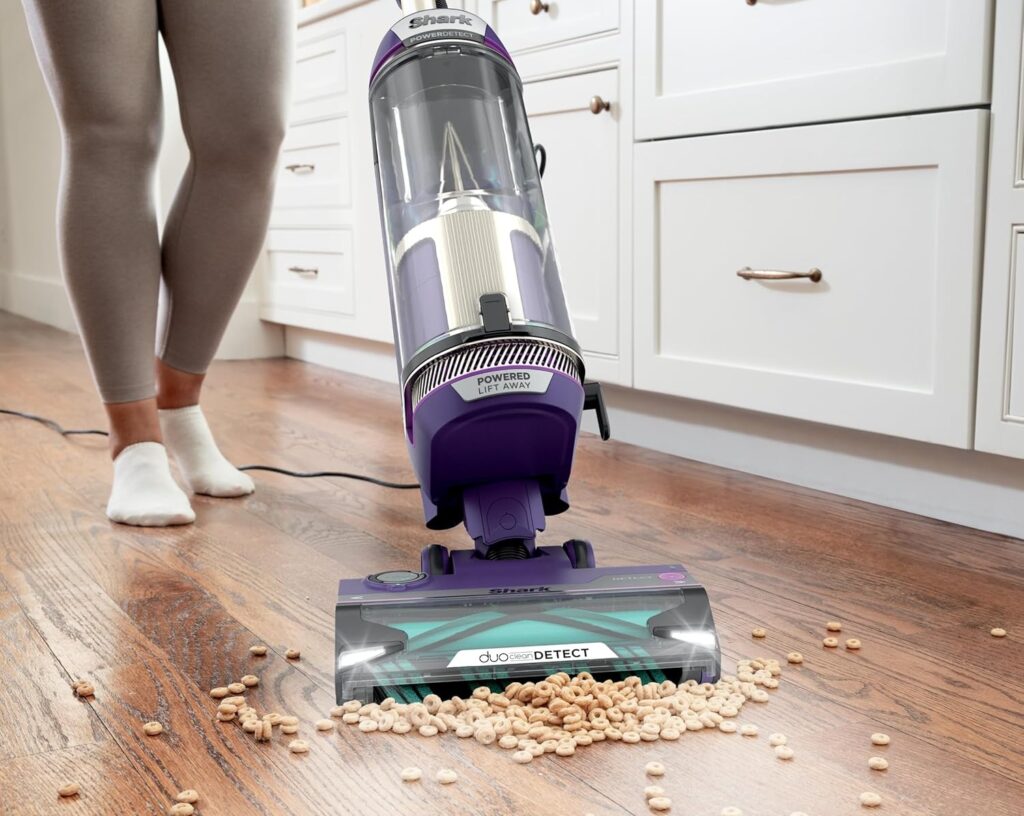
Modern uprights with lift-away canisters significantly improve versatility. Detach the main unit, and you essentially have a heavy-duty handheld vacuum for stairs, furniture, and car interiors. However, these hybrid designs add complexity whilst not quite matching dedicated canister manoeuvrability.
For straightforward floor-focused cleaning in carpet-heavy homes, uprights provide all the necessary versatility. For homes requiring extensive furniture cleaning, drapery maintenance, or high-reach ceiling work, uprights prove limiting.
Canister Vacuum Versatility
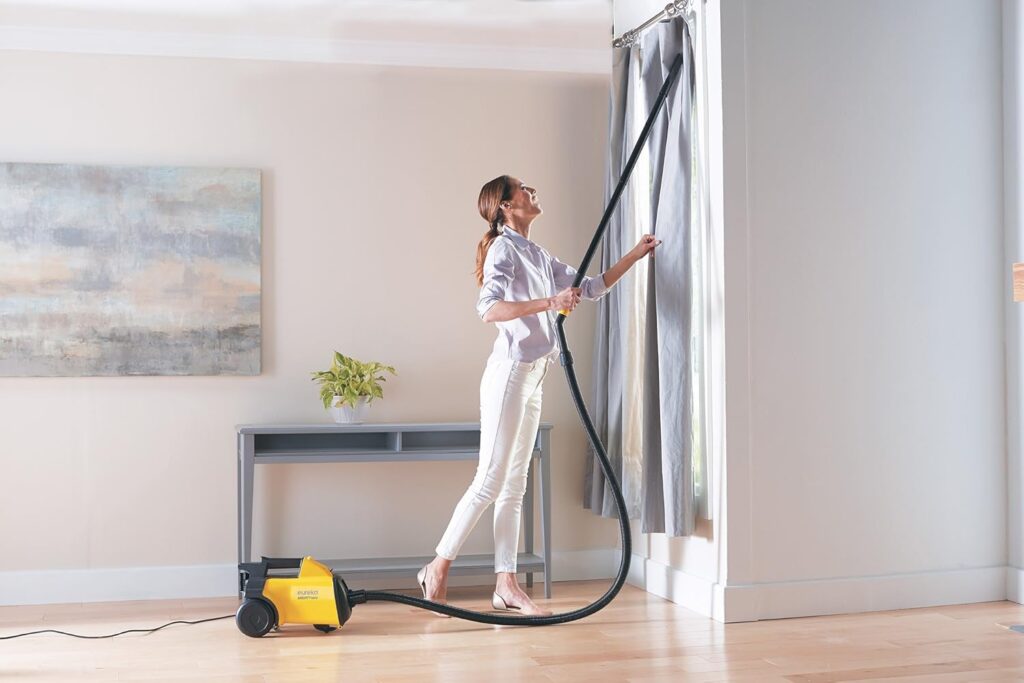
Canisters excel at diverse cleaning tasks beyond basic flooring. The lightweight wand reaches ceiling corners for cobweb removal. Specialised attachments handle drapery cleaning delicately. The motorised powerhead rivals upright carpet performance, whilst the parquet brush pampers hard floors.
I regularly use my canister for car interior detailing, workshop cleanup, and even inflatable pool deflation using the reverse airflow. This versatility justifies the higher price and added complexity for households valuing multi-purpose capability.
However, canisters require managing multiple attachments and floor heads. Switching between carpet and hard floor heads takes time. The various components need organised storage. This added complexity frustrates users wanting straightforward simplicity.
Special Use Cases
For stairs, canisters generally prove superior. Position the canister on a landing, and the extended hose reaches multiple steps comfortably. Uprights require carrying the full weight up and down stairs, which proves exhausting.
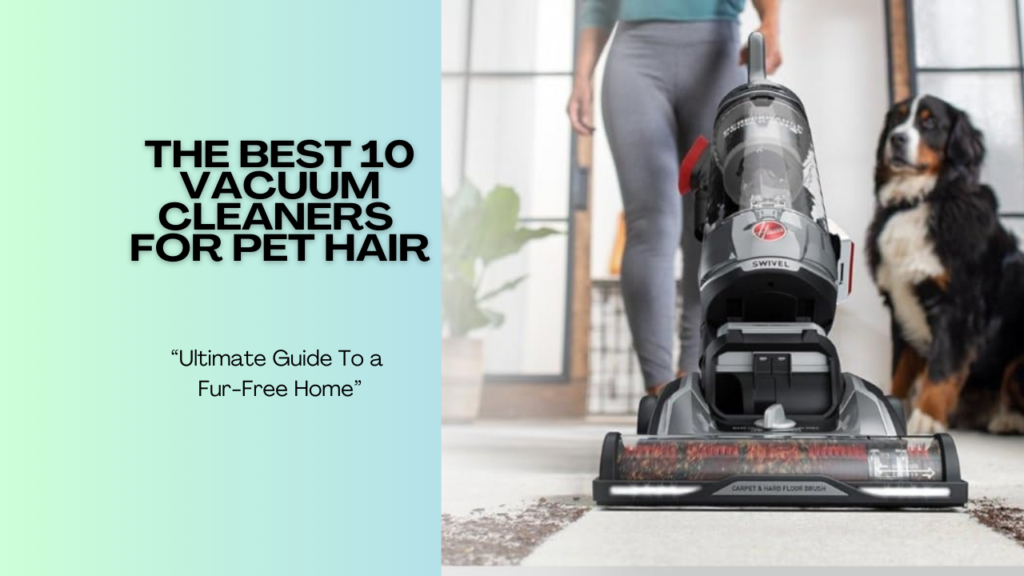
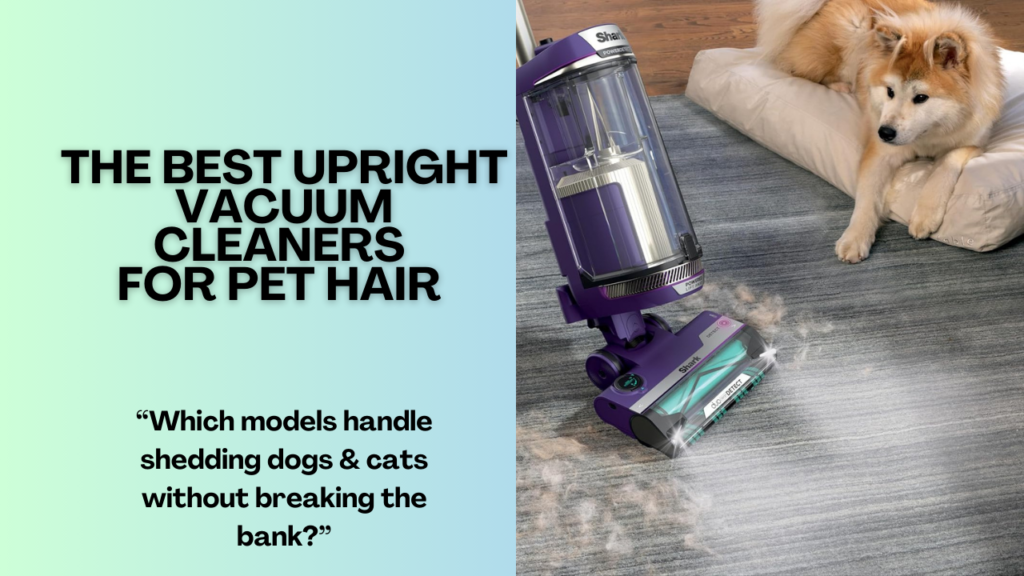
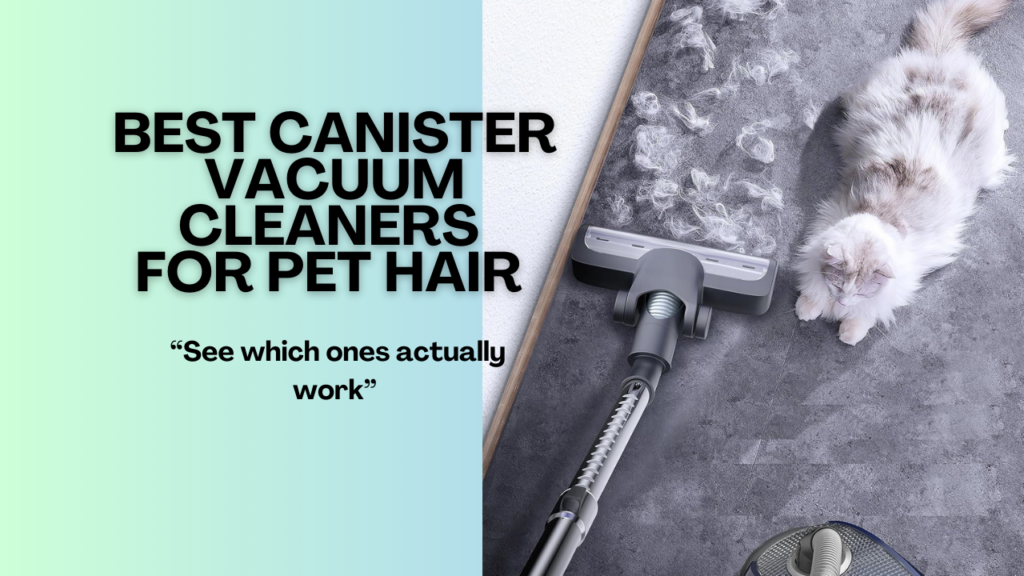
For pet hair specifically, both formats work well with appropriate features. Upright pet models with tangle-free brush rolls excel on carpeted surfaces. Canister models with motorised pet tools handle furniture and hard floor pet hair excellently.
Environmental Considerations
Energy Efficiency Comparison
According to energy efficiency standards, both uprights and canisters typically consume 500-1,500 watts during operation. Actual efficiency depends more on motor design quality than format. Premium models in both categories achieve excellent cleaning with lower wattage through optimised airflow engineering.
Bagged models generally prove more energy-efficient than bagless designs. The sealed bag system maintains consistent airflow without filter clogging, reducing suction over time. However, disposable bags create ongoing waste.
Cordless stick vacuums consume significantly less energy per use but require regular charging with associated phantom electrical load. Corded uprights and canisters avoid charging waste whilst consuming more power during active use.
Waste and Sustainability
Bagged vacuums create regular waste through disposable bags, though modern bags use biodegradable materials increasingly. The bags cost $20-40 annually, adding long-term ownership expenses while creating environmental impact.
Bagless models eliminate disposable bag waste but require filter replacements every 6-12 months. These filters create comparable waste whilst costing similar amounts annually. Neither approach avoids environmental impact entirely.
The most sustainable choice involves selecting quality vacuums lasting 10-15+ years rather than replacing cheap models every 3-5 years. Premium canisters from manufacturers like Miele achieve 15-20 year lifespans. Quality uprights from Shark or Dyson last 7-10 years typically. Longevity trumps format for environmental impact.
Manufacturing and Materials
Premium canisters typically use more durable materials, including metal wands, high-impact ABS plastics, and robust motor construction. This increases initial manufacturing impact but extends useful life dramatically.
Budget uprights often use cheaper plastics and components, creating lower manufacturing impact but requiring replacement more frequently. The long-term environmental cost of multiple replacements exceeds a single premium purchase.
For comprehensive upright vacuum recommendations, visit our buying guide comparing top-rated options at every price point
Noise Level Comparison
Upright Vacuum Noise
Uprights typically operate at 70-80 decibels, comparable to busy street traffic or alarm clocks. The motor positioned near head height directs sound towards you, making the operation sound louder. Budget models frequently exceed 80 decibels, approaching uncomfortable levels.
The noise disrupts household activities significantly. You cannot vacuum whilst others watch television, hold phone conversations, or sleep. For households with babies, shift workers, or noise-sensitive residents, upright volume proves problematic.
Premium uprights from Shark and Dyson achieve 68-73 decibels through improved motor insulation. This remains noticeable but tolerably quieter than budget alternatives.
Canister Vacuum Noise
Canisters generally operate quietly at 65-75 decibels. The separated motor positioned floor-level directs sound downward rather than towards your head. This creates a subjectively quieter operation even at similar decibel measurements.
Premium canisters like Miele achieve whisper-quiet 65-68 decibel operation. You can vacuum whilst others watch television without excessive disruption. Early morning or late evening cleaning becomes feasible without disturbing sleeping family members.
However, budget canisters offer no noise advantage over budget uprights. Both cheap formats operate at 75-80+ decibels. The quiet operation advantage applies primarily to premium canisters costing $400+.
For noise-sensitive households, investing in premium quiet canisters justifies the cost through improved daily living quality. For households unconcerned about noise, this advantage holds little value.
Brand Reputation and Reviews
Leading Upright Brands
Shark dominates the budget-to-mid-range upright market share with models costing $150-350. They deliver strong performance-to-price ratios, innovative features like lift-away designs, and adequate 5-year warranties. User reviews consistently praise Shark value whilst noting durability concerns after 3-5 years.
Dyson commands the premium upright segment with models costing $400-700. They pioneer bagless cyclonic technology, deliver powerful suction, and feature modern aesthetic design. However, reviews note high prices relative to performance gains and occasional reliability issues with electronic components.
Bissell provides budget-friendly options starting around $100-200. They excel at pet-specific features like tangle-free brush rolls. Reviews praise affordability and pet hair performance whilst noting weaker suction and shorter 3-4 year lifespans.
Hoover represents a traditional American brand offering models across all price points. Quality varies significantly between budget and premium lines. Reviews remain mixed, with budget models disappointing whilst mid-range options deliver decent value.
Leading Canister Brands
Miele represents the premium canister gold standard with German-engineered models costing $600-1,400. They deliver exceptional build quality, whisper-quiet operation, and genuine 15-20 year lifespans. Reviews universally praise longevity and performance whilst noting premium pricing.
According to vacuum reliability studies, Miele canisters achieve best-in-class reliability scores. The investment pays off through decades of service, avoiding replacement costs.
Kenmore offers budget-to-mid-range canisters costing $200-500. They provide decent performance at accessible prices. Reviews note good value whilst cautioning about shorter 5-7 year lifespans than premium brands.
Dyson produces premium canisters leveraging their cyclonic technology. Pricing reaches $500-800. Reviews praise suction power and modern design whilst noting similar reliability concerns as their uprights.
Eureka delivers budget canisters starting around $100-200. They suit tight budgets requiring basic functionality. Reviews consistently note adequate performance for the price, whilst warning about limited longevity and build quality.
Budget-Friendly Options in Both Categories
Budget Upright Recommendations
For households needing functional upright performance under $150, the Bissell CleanView delivers surprising value. It lacks premium features but captures debris adequately on carpets and hard floors. Expect a 3-4 year lifespan with proper maintenance.
The Shark Navigator Lift-Away, frequently available for around $180-220, represents outstanding mid-budget value. The lift-away design adds versatility, HEPA filtration protects allergy sufferers, and adequate 5-year warranty coverage provides security. This price point delivers legitimate performance without excessive compromise.
Avoid ultra-budget uprights under $80. They universally deliver disappointing suction, break frequently, and create more frustration than value. Saving an extra $50-70 reaches meaningful quality improvements.
Budget Canister Recommendations
Budget canisters prove trickier. Most models under $200 deliver disappointing performance and questionable longevity. The separated design’s added complexity requires quality engineering, justifying higher pricing.
The Kenmore 600 Series, available for around $250-300, represents a reasonable budget canister compromise. It provides adequate suction, decent manoeuvrability, and acceptable durability. Expect a 5-7 year lifespan rather than a premium 15+ years.
For truly tight budgets, honestly consider budget uprights instead. A $150 upright typically outperforms a $150 canister significantly. Canisters reward investment in mid-range or premium models where their advantages shine.
When to Splurge vs Save
Splurge on premium models if you’re buying a long-term investment, if you have extensive cleaning needs, if you suffer allergies requiring medical-grade filtration, or if you value whisper-quiet operation. Premium vacuums costing $400-800 genuinely last 10-15+ years whilst delivering a superior daily experience.
Save with budget models if you’re renting short-term, if you have minimal square footage, if you’re purchasing your first vacuum whilst learning preferences, or if you simply need a temporary, adequate solution. Budget models costing $100-200 provide functional service for 3-5 years.
Avoid mid-range muddle. The $250-350 price point often delivers marginal improvement over budget, whilst not reaching premium quality. Either buy a budget vacuum accepting limitations or invest in a premium vacuum, achieving genuine excellence.
Maintenance Requirements Comparison
Upright Vacuum Maintenance
Uprights demand regular but straightforward maintenance. Empty bagless dirt cups after each use or when full. Replace bags monthly for bagged models. Clean or replace filters every 3-6 months, depending on usage. Check brush rolls monthly for tangled hair or debris.
The integrated design simplifies maintenance. Everything sits in one unit without multiple components requiring attention. However, brush roll access often requires tools and awkward positioning for thorough cleaning.
Belt replacement proves necessary every 1-2 years as belts stretch or break. Replacement costs $5-15 typically. Some modern designs use gearbox drive systems, eliminating belt replacement entirely.
Canister Vacuum Maintenance
Canisters require similar fundamental maintenance plus attention to multiple components. The separate motor unit, various floor heads, extension wands, and hoses each need periodic inspection and cleaning.
The multiple connection points collect dust and hair, requiring regular cleaning. The hoses develop clogs more easily than upright direct airflow paths. However, the separated design provides easier access for thorough cleaning and troubleshooting.
Premium canisters like Miele feature lifetime HEPA filters requiring annual rinsing rather than replacement. This eliminates filter replacement costs whilst providing environmental benefits. Budget canisters lack this feature, requiring regular filter purchases.
Long-Term Maintenance Costs
Over 10 years, maintenance costs vary dramatically by model rather than format. Budget models of both types require frequent replacement parts, regular filter purchases, and potential repairs. Premium models require minimal maintenance beyond basic cleaning and occasional consumable replacement.
Bagged vacuums cost approximately $20-40 annually for replacement bags. Bagless models cost similar amounts for filter replacements. Neither format offers clear cost advantage over time.
The key difference lies in repairability. Premium canisters, particularly Miele, offer readily available replacement parts and straightforward user repairs. Budget uprights often prove cheaper to replace than repair after 3-4 years.
For comprehensive canister vacuum recommendations, visit our buying guide comparing top-rated options at every price point
Warranty Coverage Comparison
Upright Vacuum Warranties
Budget uprights typically provide 1-2 year limited warranties covering manufacturing defects, whilst excluding normal wear items like filters, belts, and brush rolls. These short warranties reflect realistic lifespan expectations of 3-5 years.
Mid-range uprights from Shark offer 5-year warranties, suggesting the manufacturer’s confidence in durability. However, warranty claims require registering promptly and maintaining proof of purchase. Extended warranties available through retailers rarely justify additional costs.
Premium uprights from Dyson include 5-year warranties with reportedly mixed claim experiences. User reviews note some customers receiving excellent support, whilst others struggle with claim denials or expensive out-of-warranty repairs.
Canister Vacuum Warranties
Budget canisters similarly offer 1-2 year coverage with numerous exclusions. Premium canisters differentiate dramatically here. Miele provides a standard 1-year warranty but demonstrates exceptional longevity, eliminating typical warranty concerns.
Some canister manufacturers offer extended warranties up to 5-10 years for premium models. These extended coverages suggest confidence in build quality whilst protecting substantial investments.
Warranty Considerations
Warranties matter less than fundamental build quality. A 5-year warranty on a vacuum expected to last 15+ years provides minimal value. Conversely, a 1-year warranty on a vacuum likely failing after 4 years leaves you unprotected for the majority of its useful life.
Focus on realistic longevity expectations based on build quality and user reviews rather than warranty duration. Premium canisters costing $800+ justify investment through decades of service regardless of warranty coverage.
Common Cleaning Challenges and Solutions
Challenge: Transitioning Between Floor Types
Uprights require manually adjusting the brush roll height or disengaging the brush entirely when moving from carpet to hard floors. Many users forget this step, potentially scratching delicate surfaces or reducing cleaning effectiveness.
Solution: Modern uprights include automatic height adjustment sensing floor type. Alternatively, canisters eliminate this challenge through interchangeable floor heads optimised for specific surfaces. The inconvenience depends heavily on home layout and flooring diversity.
Challenge: Reaching Under Furniture
Uprights struggle to fit under low-clearance furniture like sofas, beds, and cabinets. The tall motor housing prevents access to areas where dust accumulates significantly.
Solution: Either move furniture regularly for thorough cleaning or choose canisters with low-profile floor heads that slide under obstacles effortlessly. Some upright owners maintain separate stick vacuums specifically for under-furniture access.
Challenge: Stair Cleaning
Both formats present stair challenges. Uprights require carrying the full 15-20 pound weight up and down stairs. Canisters trail behind, catching on the stairs whilst the hose tangles.
Solution: Position the canister on the landing and work multiple steps from a single position. For uprights, consider maintaining a separate vacuum per floor. Alternatively, cordless stick vacuums excel at stair cleaning despite limitations elsewhere.
Challenge: Cord Management
Long cords tangle, catch on furniture, and require outlet changes during whole-home cleaning. This frustration applies to both formats equally.
Solution: Premium models include automatic cord rewind mechanisms. Budget models require manual cord wrapping on hooks. Alternatively, invest in cordless stick vacuums, eliminating cord management entirely whilst accepting battery limitations.
Challenge: Dust Clouds During Emptying
Bagless models create dust exposure when emptying dirt cups. This triggers allergies whilst exposing you to captured allergens and bacteria.
Solution: Empty bagless vacuums outside when possible. Alternatively, bagged models eliminate dust exposure through sealed disposable bags. For severe allergy sufferers, bagged designs prove genuinely healthier despite ongoing bag costs.
Tips for Maximising Cleaning Efficiency
Establish a Regular Cleaning Routine
Vacuum high-traffic areas 2-3 times weekly. Clean the entire home weekly for optimal maintenance. This prevents dirt from embedding deeply into carpets, requiring aggressive extraction later.
Consistency matters more than intensity. Brief daily spot-cleaning surpasses occasional marathon sessions for maintaining a genuinely clean home environment.
Use Appropriate Suction Settings
Many vacuums include variable suction control. Use lower suction for delicate surfaces like drapery or area rugs. Increase suction for deep carpet cleaning or stubborn debris.
Maximum suction doesn’t always equal optimal cleaning. Excessive suction can damage delicate surfaces or make pushing heavy uprights exhausting.
Maintain Your Vacuum Religiously
Clean filters monthly. Empty dirt cups immediately when full. Check brush rolls regularly for tangled hair. Replace worn belts promptly.
Well-maintained budget vacuums outperform neglected premium models. Five minutes of monthly maintenance dramatically extends lifespan and performance.
Vacuum in Multiple Directions
Don’t just push forward and pull back. Vacuum in north-south passes, then east-west passes. This agitates the carpet pile from multiple angles, extracting embedded dirt more effectively.
This technique particularly benefits upright carpet cleaning. The multiple-direction approach lifts carpet pile, revealing hidden debris.
Address Spills Immediately
Vacuum fresh spills before they dry and embed. Dried spills require significantly more effort to extract. For liquid spills, blot first, then vacuum once completely dry.
Immediate response prevents stains from setting whilst maintaining carpet appearance over the years.
Optimise Your Vacuum Path
Plan efficient routes, minimising backtracking. Start at the room’s farthest corner, work backwards toward the exit. Overlap passes slightly, ensuring complete coverage without excessive redundancy.
Efficient planning reduces cleaning time whilst ensuring thorough coverage. This applies equally to both upright and canister formats.
Frequency of Use Recommendations
Daily Spot Cleaning
High-traffic entryways, kitchen floors around cooking areas, and pet feeding zones benefit from daily spot-cleaning. This prevents tracked dirt from spreading throughout the home whilst maintaining a generally tidy appearance.
A cordless stick vacuum excels for quick daily touchups, though either full-size format works adequately. Five minutes daily spot-cleaning reduces weekly deep-clean requirements.
Weekly Whole-Home Cleaning
Most households benefit from comprehensive weekly vacuuming of all floors, furniture, and above-floor areas. This maintains baseline cleanliness, preventing dirt accumulation.
For smaller homes under 1,000 square feet, weekly cleaning requires 20-30 minutes. Larger homes may require 45-60 minutes, depending on layout complexity and clutter levels.
Bi-Weekly Deep Cleaning
Every two weeks, perform thorough deep cleaning, including moving furniture, cleaning behind appliances, and vacuuming often-neglected areas like ceiling corners and air vents.
This deeper approach maintains a truly clean home environment rather than just managing surface tidiness. Schedule these sessions when you have adequate time, avoiding rushing through them.
Seasonal Deep Cleaning
Quarterly seasonal cleans tackle areas rarely addressed otherwise. Wash or replace vacuum filters. Clean drapery thoroughly. Vacuum mattresses and upholstered furniture deeply. Address workshop or garage areas.
These infrequent but thorough sessions prevent long-term dirt and allergen accumulation, maintaining a healthy home environment.
For comprehensive upright vacuum recommendations, visit our buying guide comparing top-rated options at every price point
Storage Solutions for Both Formats
Upright Storage Advantages
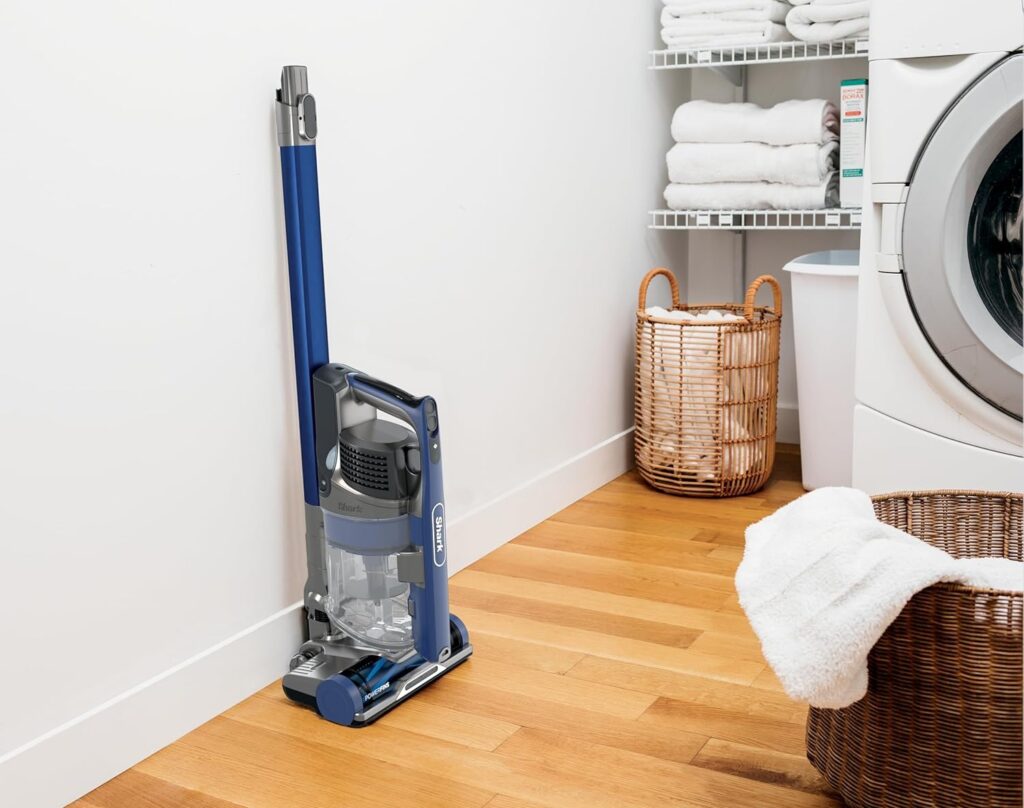
Uprights occupy minimal floor space footprint. Most models stand independently without wall mounting or supports. Simply park them in cupboards, corners, or dedicated utility spaces.
The vertical storage suits flats or homes with limited storage space. However, uprights require approximately 4-5 feet of vertical clearance, fitting in standard cupboards.
Some modern designs include cord wrap systems or integrated accessory storage, minimising clutter. Budget models often lack these conveniences, requiring separate accessory storage solutions.
Canister Storage Challenges
Canisters require more complex storage arrangements. The separated components, including the main canister, hoses, wands, and multiple floor heads, need organised storage to prevent tangling and damage.
Wall-mounted storage systems work well, providing designated spots for each component. However, this requires permanent installation and dedicated wall space.
Alternatively, store canisters in larger cupboards with sufficient space for all components together. The horizontal footprint typically exceeds uprights.
Creative Storage Solutions
Install pull-out cupboard systems, creating dedicated vacuum storage, maximising vertical space efficiency. Use over-door organisers for accessory storage. Repurpose shallow hall cupboards specifically for vacuum equipment.
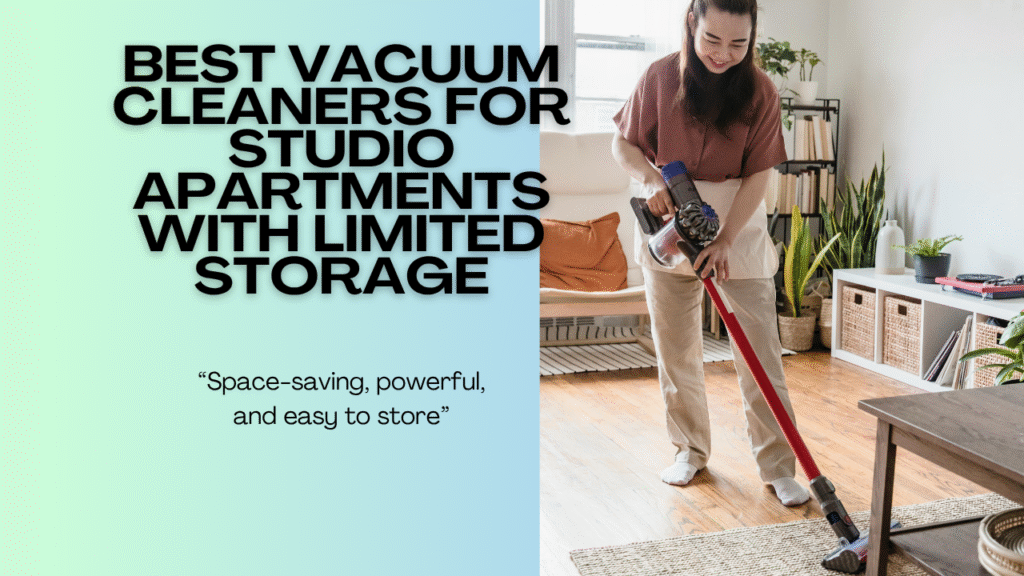
For extremely limited space, consider compact designs in either format. However, compact models typically sacrifice dirt capacity and power for reduced size.
The storage inconvenience of canisters versus uprights proves significant for space-limited homes. Evaluate available storage before committing to bulky canister systems.
For comprehensive canister vacuum recommendations, visit our buying guide comparing top-rated options at every price point
Upright Vs Canister Vacuum Cleaners Conclusion
After comparing every aspect of upright vs canister vacuum cleaners through years of hands-on testing, I’ve reached a nuanced conclusion that won’t satisfy those seeking simple universal recommendations. Neither format wins categorically. Each excels for specific households, whilst disappointing others.
Choose uprights if you have predominantly wall-to-wall carpeting, if you value straightforward, simple operation, if you work within tight budgets, if you have limited storage space, or if you find trailing canisters frustrating. Budget-conscious shoppers particularly benefit from uprights delivering better performance per dollar at entry and mid-range price points.
Choose canisters if you have predominantly hard floors, if you need exceptional manoeuvrability around furniture, if you want remarkable cleaning versatility, if you prioritise whisper-quiet operation, or if you’re willing to invest in premium quality lasting decades. Homes with complicated layouts and diverse cleaning needs benefit most from canister flexibility.
For homes with genuinely mixed requirements, consider the modern lift-away upright designs combining the advantages of both formats. Models like the Shark Navigator Lift-Away provide upright carpet performance whilst offering a detachable canister for furniture and stair cleaning.
My personal choice? I own both formats. A mid-range upright handles quick daily maintenance on carpeted areas. A premium canister tackles weekly whole-home cleaning, providing versatility for furniture, hard floors, and above-floor areas. This two-vacuum approach costs more upfront but optimises each cleaning scenario perfectly.
However, most households should choose one format that matches their dominant needs. Analyse your home’s flooring composition honestly. Consider your physical capabilities realistically. Evaluate storage space availability. Match these factors against each format’s strengths.
The format matters less than selecting a quality model suited to your specific requirements.
The upright vs canister vacuum cleaners debate ultimately resolves to personal priorities rather than universal truths. Both formats deliver excellent cleaning when matched appropriately to user needs. Choose wisely based on your situation rather than marketing promises or conventional wisdom.
–